Equipment
* optional
Ingredients
Bones
- 1500 g beef marrow bones, cut into 5cm pieces
- 1500 g veal knuckle bones, cut into pieces
Mirepoix and Aromatics
- 300 g yellow onions, coarsely chopped
- 150 g carrots, coarsely chopped
- 150 g celery, coarsely chopped
- 50 g garlic, halved horizontally
- 50 g tomato paste
- 1 bouquet garni
Liquids
- 250 ml dry red wine
- 6000 ml cold water
Nutrition (per serving)
Method
Preheat the oven to 220°C/425°F. Wash your hands and sanitize all surfaces after handling the raw beef and veal bones to prevent cross-contamination.
Arrange the beef marrow and veal knuckle bones in a single layer in a heavy-duty roasting pan. Roast for 45 to 60 minutes until deeply browned, turning them once halfway through.
Remove the roasting pan from the oven. Using a pastry brush, coat the bones evenly with tomato paste. Return the pan to the oven for 15 minutes to caramelize the paste.
Transfer the roasted bones to a large stockpot. Carefully pour off and discard all but 30ml of the rendered fat from the roasting pan.
Place the roasting pan over medium heat on the stove. Add the chopped onions, carrots, and celery to the reserved fat. Sauté for 10 minutes, stirring occasionally, until the vegetables begin to brown.
Pour the dry red wine into the roasting pan to deglaze. Scrape the bottom of the pan with a wooden spoon to release all the browned bits. Simmer until the wine has reduced by half.
Add the deglazed vegetable mixture, halved garlic head, and bouquet garni to the stockpot with the bones. Pour in the cold water, ensuring all ingredients are completely submerged.
Bring the pot to a gentle boil over medium-high heat, then immediately reduce the heat to its lowest setting. Simmer very gently for 12 to 14 hours. Periodically skim off the scum and fat that rise to the surface. Never stir the pot.
Carefully ladle the stock through a fine-mesh strainer or chinois into a clean container, pressing lightly on the solids. Discard the bones and vegetables. Let the stock settle, then use a fat separator or ladle to remove all surface fat.
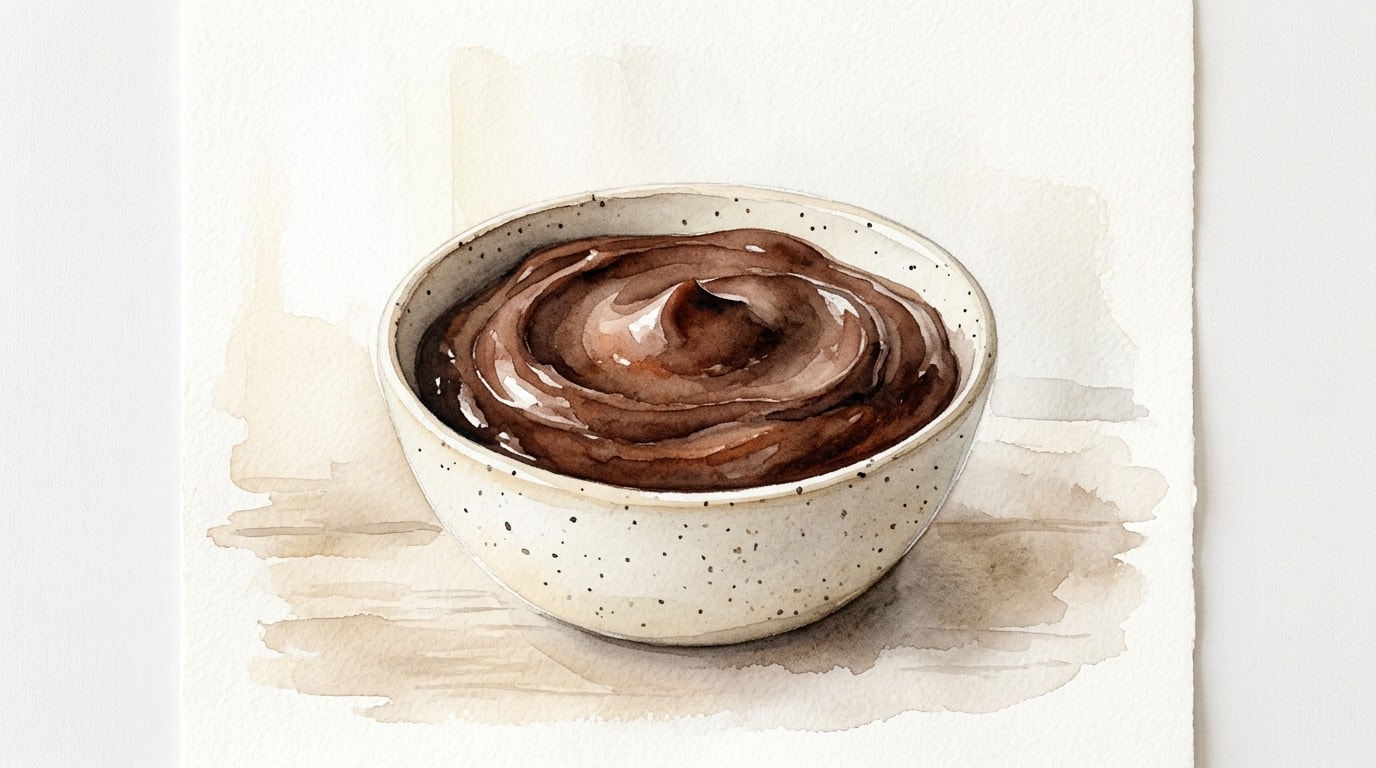
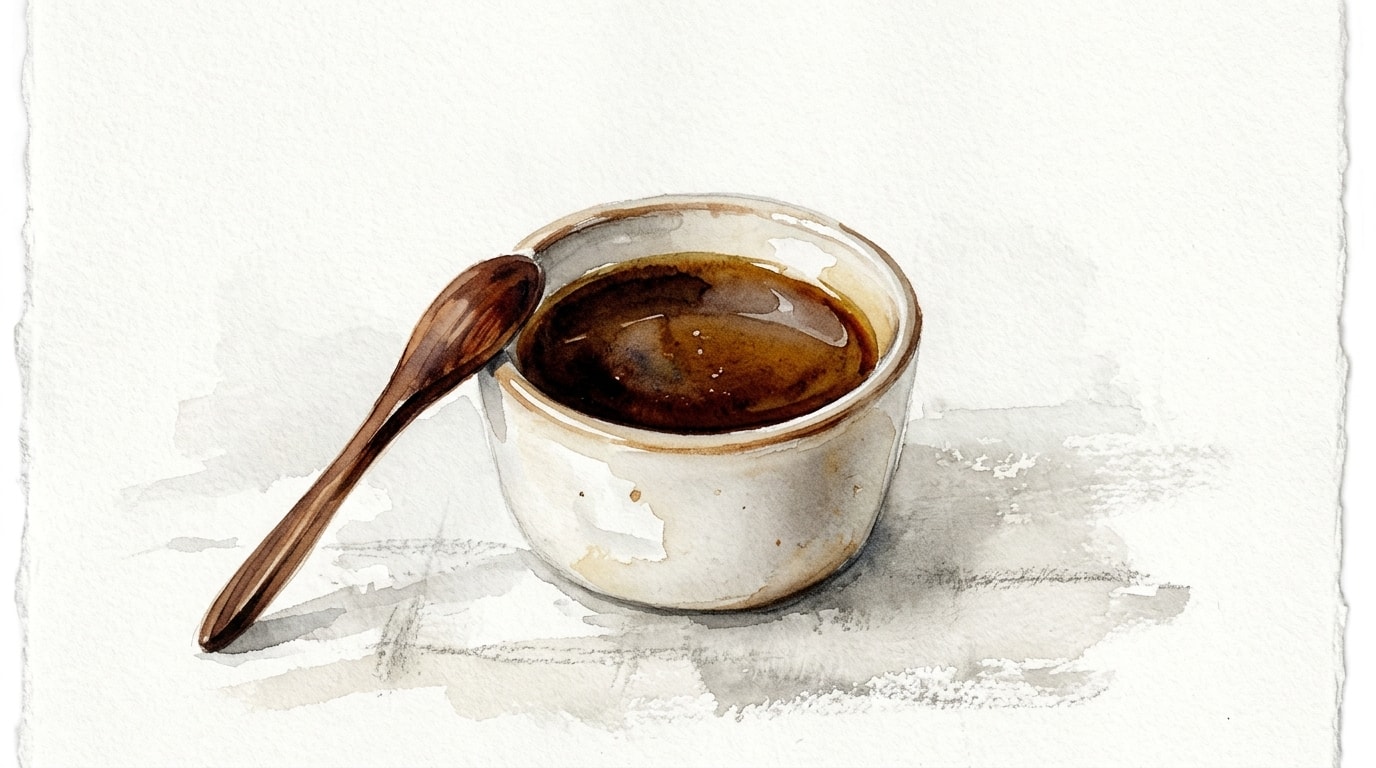
Pour the defatted stock into a wide saucepan. Simmer over medium-low heat for 4 to 6 hours, skimming away any skin or impurities that form. Reduce until the liquid becomes a thick syrup that coats the back of a spoon.
Strain the finished glaze one final time through a fine-mesh strainer into a storage container. Allow it to cool completely to room temperature before covering and refrigerating.
Chef's Notes
- Do not salt the stock at any point. The extreme reduction process will concentrate even a minor amount of salt into an inedible brine.
- Veal knuckle bones are absolutely critical for this recipe. Their high collagen and cartilage content break down into gelatin, giving the final glaze its signature lip-smacking texture.
- For maximum clarity and flavor, start the stock with cold water rather than hot. Cold water slowly extracts the proteins and soluble compounds from the bones without sealing them in.
- A wide, shallow saucepan allows for faster evaporation during the final reduction phase compared to a tall, narrow pot.
Storage
Refrigerator: 2 weeks — Store in an airtight container. The surface will solidify into a hard, rubbery puck.
Freezer: 6 months — Pour into ice cube trays for convenient portioning, then transfer to a freezer-safe bag.