Equipment
Ingredients
Meat and Liquid
- 1500 g chicken carcasses, necks, and wings, raw or roasted
- 3000 ml water, cold
Mirepoix (Aromatics)
- 300 g yellow onion, unpeeled, roughly chopped
- 200 g carrots, scrubbed, roughly chopped
- 150 g celery, roughly chopped
Herbs and Spices
- 15 g garlic, cloves crushed, unpeeled
- 2 bay leaves
- 5 g black peppercorns, whole
- 10 g fresh parsley stems, rinsed
- 5 g fresh thyme sprigs, whole
Nutrition (per serving)
Method
Using a chef's knife and cutting board, roughly chop the yellow onion, carrots, and celery into large, uniform chunks. Crush the garlic cloves gently with the flat side of your knife.
Place the raw chicken parts into the large stockpot and pour the cold water over them, ensuring the meat and bones are fully submerged. Wash your hands thoroughly and sanitize the cutting board and knife to prevent cross-contamination from the raw poultry.
Place the stockpot over medium-high heat and bring the water just to a boil, reaching approximately 95°C/203°F. As soon as the first strong bubbles appear, immediately reduce the heat to low.
As the broth heats, grey foam and impurities will rise to the top. Carefully skim this foam away using your skimmer or slotted spoon, discarding it. Continue skimming for about 10 minutes until the surface is mostly clear.
Add the prepared onion, carrots, celery, crushed garlic, bay leaves, peppercorns, parsley stems, and thyme to the pot. Maintain a bare, gentle simmer at around 85°C/185°F for 4 hours. Do not cover the pot completely; leave it uncovered or partially cracked.
Remove the stockpot from the heat. Using your skimmer, carefully scoop out and discard the large bones and vegetables. Pour or ladle the remaining liquid through a fine mesh strainer into a large, clean bowl or container.
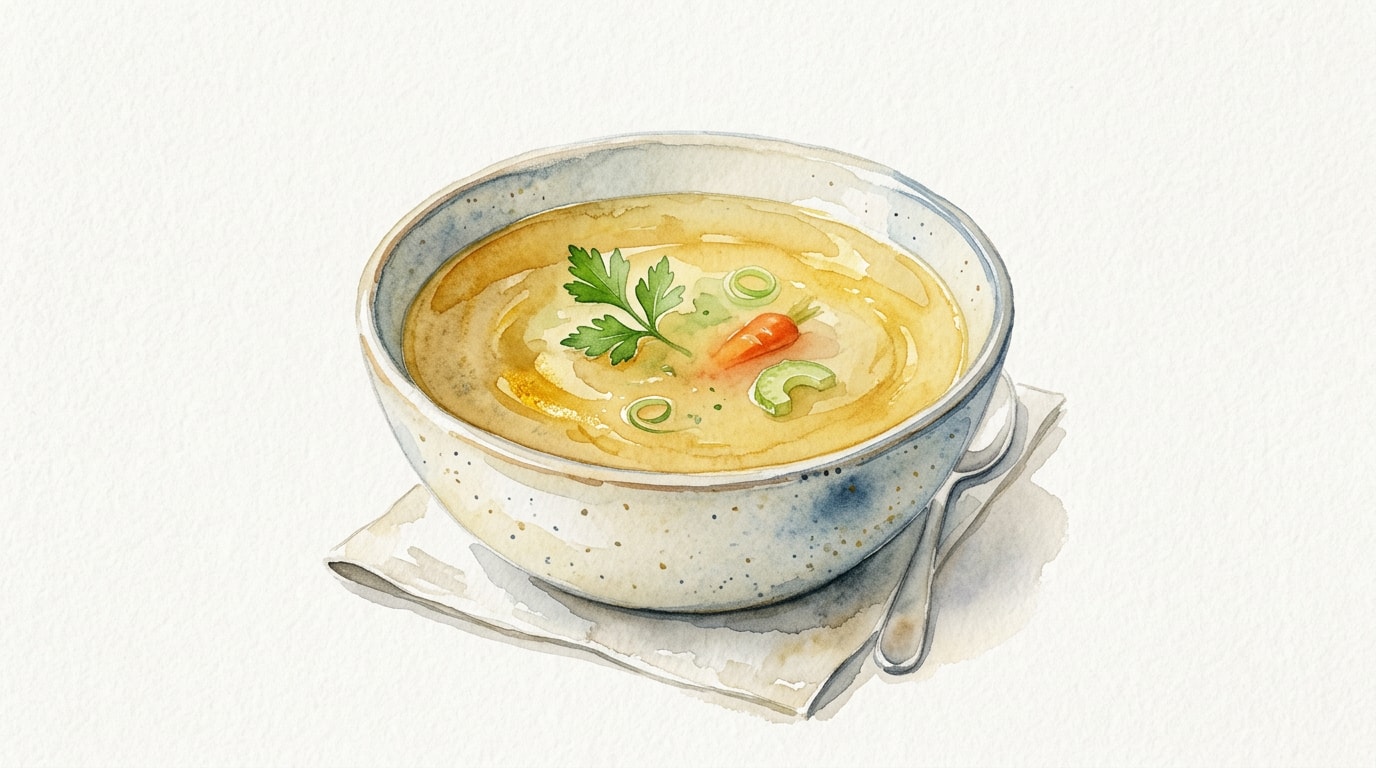
Allow the strained broth to cool at room temperature for no more than an hour, or chill it rapidly by placing the container in an ice bath. Once cooled, transfer to the refrigerator. When completely chilled, the fat will form a solid layer on top that can be easily removed before using.
Chef's Notes
- Always start your broth with cold water. Cold water slowly draws out the soluble proteins and collagens from the meat and bones, resulting in a clearer, deeply flavorful liquid.
- Do not salt your broth while it cooks. Because broth is a foundational ingredient intended for other recipes, salting it early restricts your ability to reduce it later or season the final dish properly.
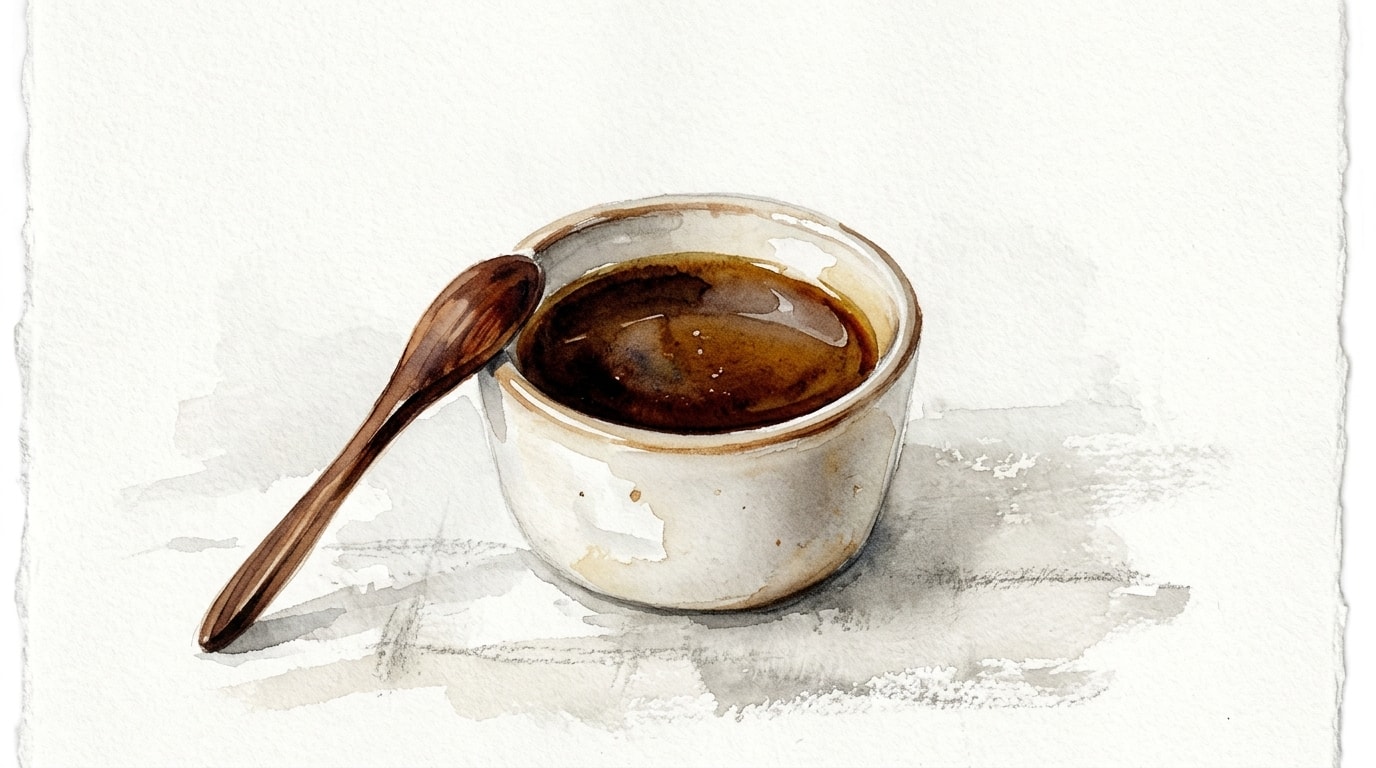
- For a darker, richer broth known as brown stock, roast the chicken bones and vegetables on a baking sheet at 200 Celsius (400 Fahrenheit) for 45 minutes before transferring them to the stockpot.
- Including high-cartilage cuts like wings, necks, or feet is the secret to a broth that turns delightfully gelatinous when chilled, giving your finished soups a superior, silky mouthfeel.
Storage
Refrigerator: 5 days — Store in an airtight container. The fat cap will solidify and act as a natural seal.
Freezer: 6 months — Freeze in usable portions, leaving room at the top of containers for expansion.