Equipment
Ingredients
Soffritto Base
- 30 ml olive oil, extra virgin
- 100 g yellow onion, finely diced
- 80 g carrot, peeled and finely diced
- 80 g celery, finely diced
Spicy Tomato Sauce
- 15 g garlic, minced
- 3 g red chili flakes
- 30 g tomato paste
- 800 g crushed tomatoes, canned
- 5 g salt, kosher or sea salt
- 2 g black pepper, freshly ground
Pasta and Garnish
- 400 g spaghetti, dried
- 10 g fresh parsley, finely chopped
Nutrition (per serving)
Method
Prepare your mise en place by very finely dicing the onion, carrot, and celery. The finer the dice, the better they will melt into the final sauce.
Heat the olive oil in a large deep skillet over medium heat. Add the diced onion, carrot, and celery. Cook, stirring occasionally, until the vegetables are very soft and beginning to turn translucent, about 10 minutes.
Push the vegetables to the edges of the pan. Add the minced garlic, red chili flakes, and tomato paste to the center. Cook for 2 minutes to toast the paste and bloom the spices.
Pour in the crushed tomatoes, salt, and black pepper. Stir well to combine all ingredients. Bring the mixture to a gentle bubble, then reduce the heat to maintain a steady simmer at approximately 90°C/195°F for 15 minutes.
While the sauce simmers, bring a large pot of heavily salted water to a rolling boil (100°C/212°F). Add the spaghetti and cook according to package directions until just shy of al dente, usually about 9 to 11 minutes. Reserve 100ml of starchy pasta water before draining.
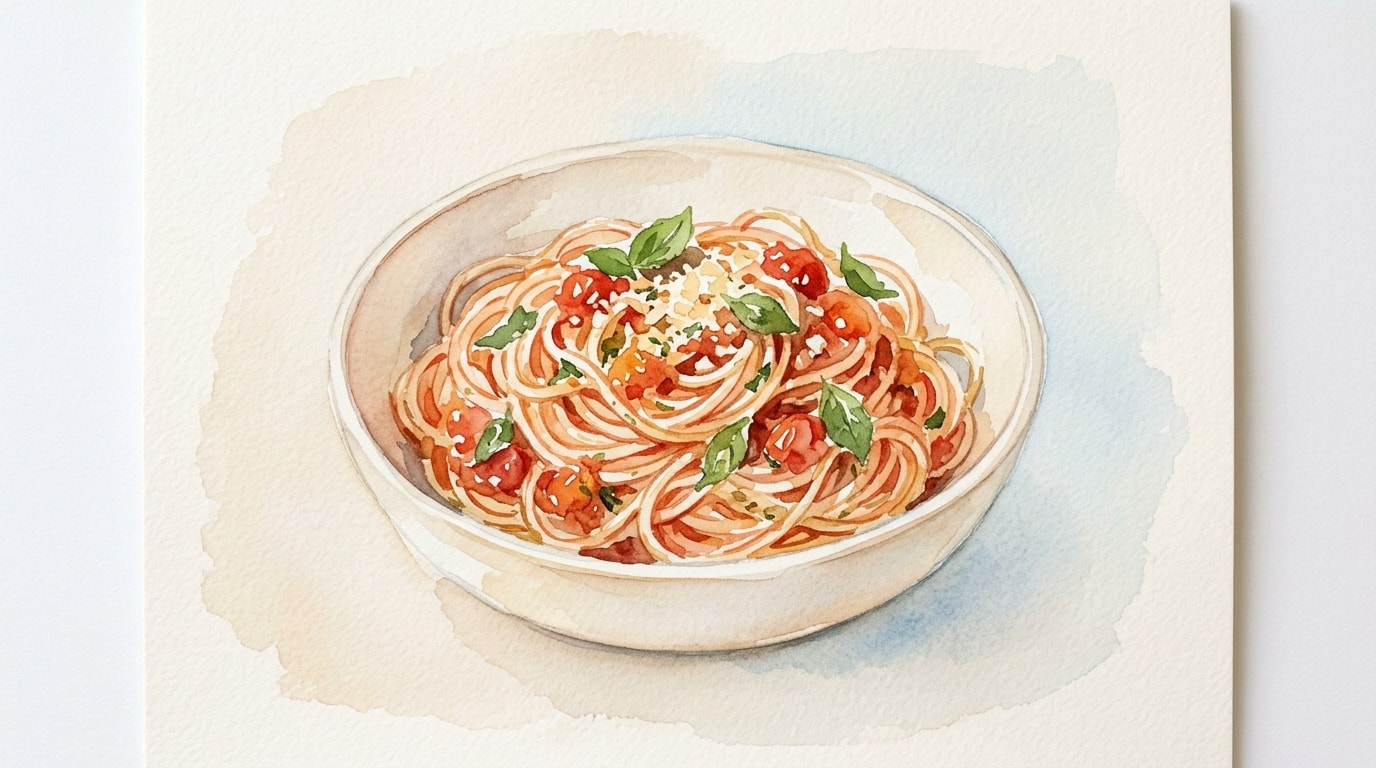
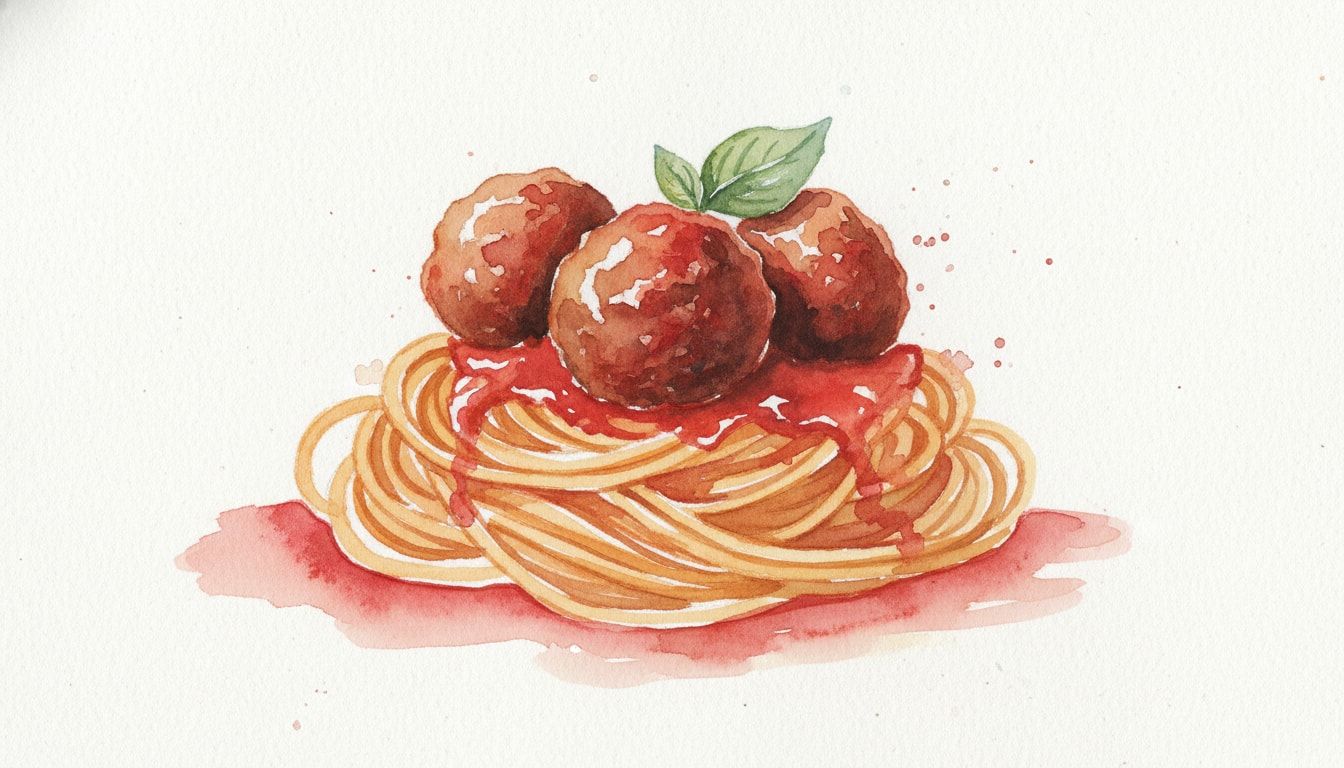
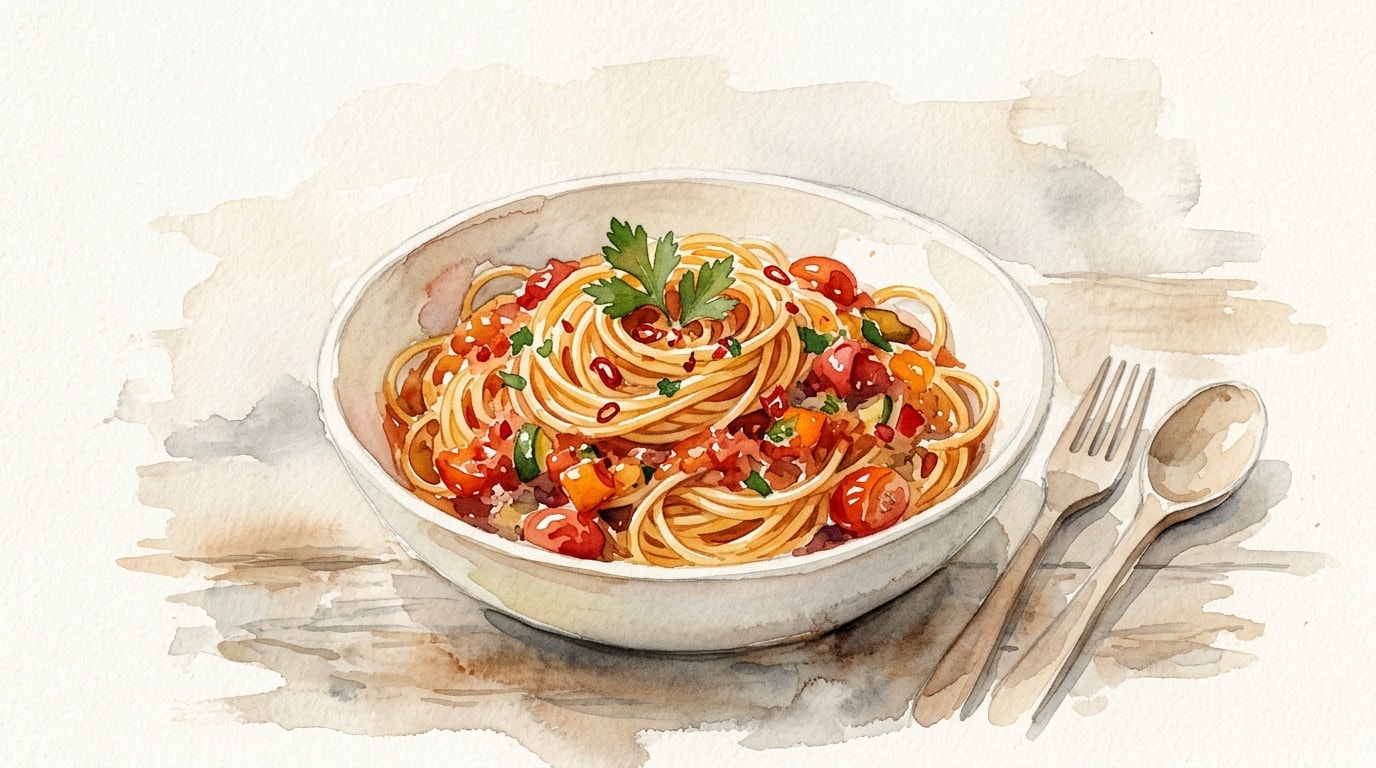
Transfer the drained spaghetti directly into the skillet with the simmering sauce. Toss vigorously using tongs, adding small splashes of the reserved pasta water as needed, until the sauce clings tightly to the noodles.
Remove the skillet from the heat. Toss in the freshly chopped parsley, plate immediately in warm bowls, and serve.
Chef's Notes
- Taking the time to achieve a very fine brunoise (fine dice) on your soffritto vegetables is crucial. Large chunks will distract from the smooth, hearty mouthfeel of the final dish.
- Always toast your tomato paste. This caramelizes the natural sugars and creates a complex, deeply savory backbone that elevates standard canned tomatoes.
- Finishing the pasta in the sauce is non-negotiable for Italian cooking. The starch from the pasta and its water emulsifies with the olive oil in the sauce, creating a silky texture that coats the noodles perfectly.
Storage
Refrigerator: 4 days — Store pasta and sauce separately in airtight containers for optimal texture retention.
Freezer: 3 months — The arrabbiata sauce freezes beautifully. Do not freeze the cooked pasta as it will become mushy upon thawing.
Reheating: Reheat the sauce gently in a pan over medium heat. Toss in freshly cooked pasta, or if reheating mixed leftovers, add a splash of water and cover until warmed through.