Equipment
Ingredients
Pork and Aromatics
- 1000 g pork ribs, bone-in, cut into individual ribs
- 10 g kosher salt
- 2 g black pepper, freshly ground
- 30 ml olive oil
- 1 yellow onion, finely diced
- 1 carrot, finely diced
- 1 celery, finely diced
- 4 garlic, minced
Sauce
- 50 g tomato paste
- 240 ml dry red wine
- 800 g crushed canned tomatoes
- 2 bay leaves, dried
- 1 fresh rosemary, whole sprig
Pasta and Garnish
- 500 g pappardelle pasta, dried or fresh
- 50 g parmigiano-reggiano, freshly grated
Nutrition (per serving)
Method
Pat the pork ribs completely dry with paper towels to ensure a good sear. Season them generously on all sides with the kosher salt and black pepper. Wash your hands thoroughly and sanitize any surfaces that came into contact with the raw pork.
Heat the olive oil in a large Dutch oven over medium-high heat. Add the seasoned ribs in batches to avoid crowding the pan, and sear until a dark brown crust forms on all sides, about 8 to 10 minutes total per batch. Using tongs, remove the ribs to a clean plate and set aside.
Reduce the heat to medium. Add the diced onion, carrot, and celery to the rendered pork fat left in the Dutch oven. Cook, stirring occasionally with a wooden spoon to release any fond, until the vegetables are softened and lightly caramelized, about 8 minutes.
Stir the minced garlic and tomato paste into the vegetable mixture. Cook for 2 minutes, stirring constantly, until the tomato paste darkens to a brick red color and becomes highly fragrant.
Pour the dry red wine into the pot to deglaze it, forcefully scraping the bottom with your wooden spoon to dissolve all the browned bits. Allow the wine to boil gently and reduce by half, which should take about 3 to 4 minutes.
Add the crushed tomatoes, bay leaves, and rosemary sprig. Return the seared pork ribs and any accumulated resting juices from the plate back into the pot. Push the ribs down so they are mostly submerged in the tomato liquid.
Bring the liquid to a gentle simmer. Cover the Dutch oven with a tight-fitting lid, reduce the heat to the lowest setting, and cook for 2.5 to 3 hours. The ragu is done when the pork reaches an internal temperature of at least 90 degrees Celsius or 195 degrees Fahrenheit, and the meat is completely tender, falling easily off the bone.
Carefully remove the tender ribs from the sauce using tongs and transfer them to a clean cutting board. Pull the meat away from the bones using two forks, discarding the bones, cartilage, and any large pieces of unrendered fat. Shred the meat into bite-sized pieces.
Return the shredded pork to the tomato sauce in the Dutch oven. Fish out and discard the bay leaves and rosemary stem. Simmer uncovered over medium-low heat for 10 minutes to allow the sauce to thicken slightly and bind with the meat.
While the sauce reduces, bring a large pasta pot filled with heavily salted water to a rolling boil. Add the pappardelle and cook according to package directions until al dente, usually about 8 to 10 minutes for dried pasta.
Scoop out and reserve about 120ml of the starchy pasta water, then drain the pappardelle in a colander. Transfer the hot pasta directly into the Dutch oven with the ragu. Toss vigorously for 1 to 2 minutes, adding splashes of the reserved pasta water as needed, until the pasta is coated in a glossy, clinging sauce.
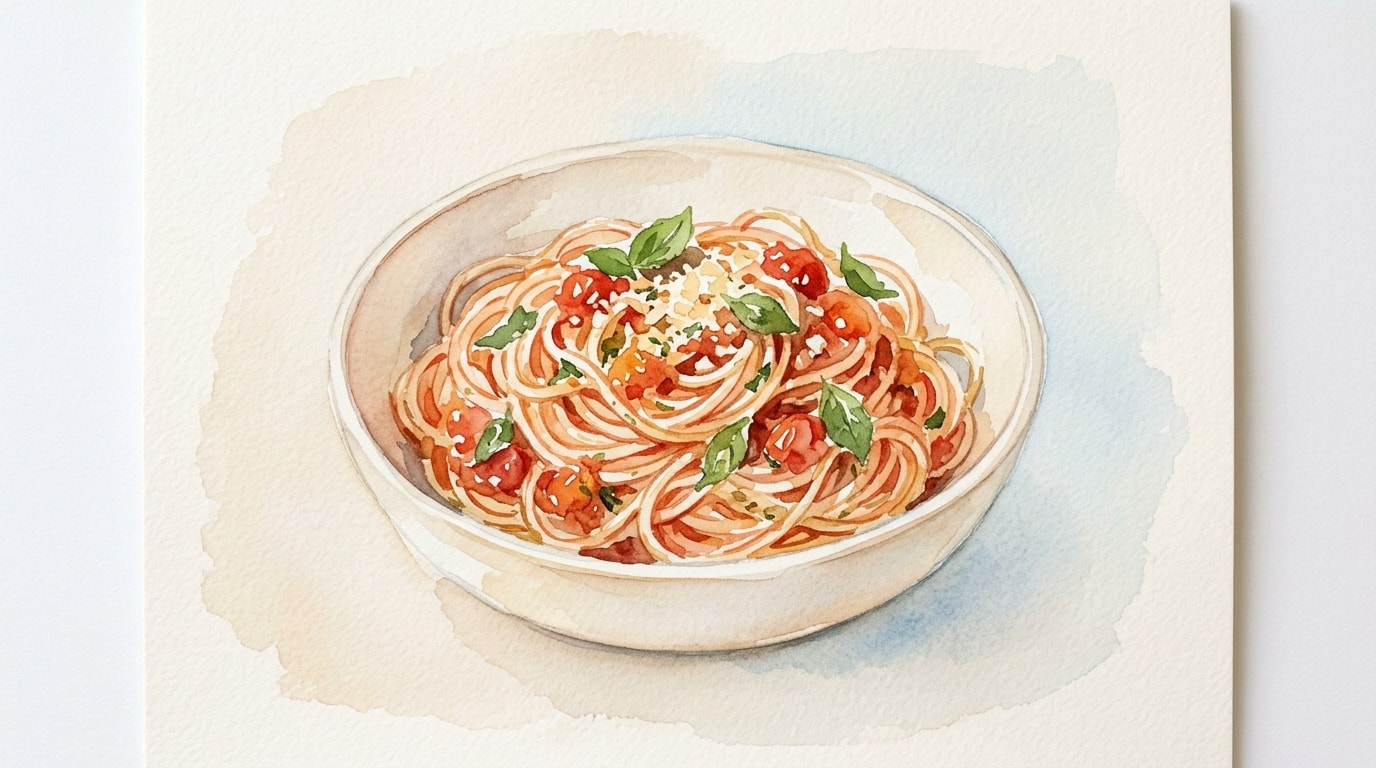
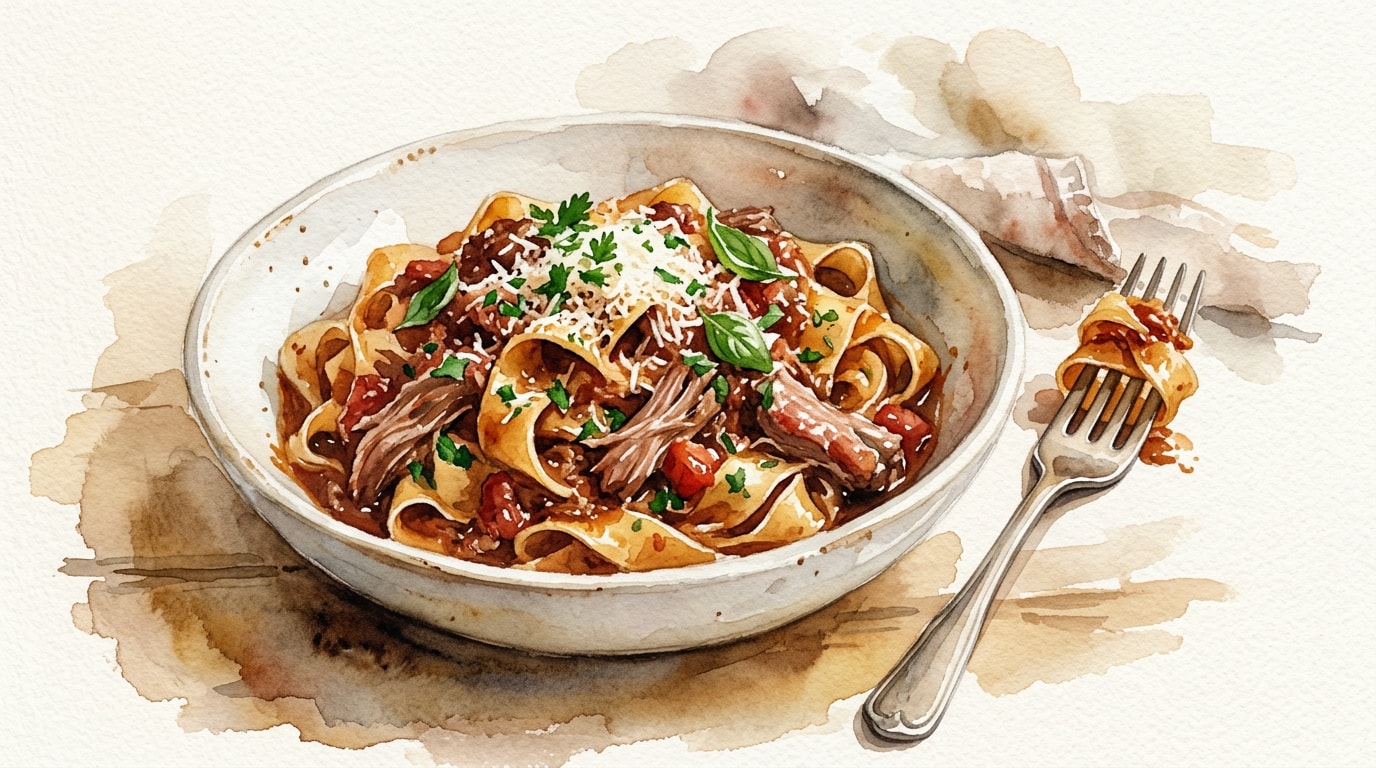
Divide the pasta and ragu evenly among warm, shallow serving bowls. Garnish immediately with freshly grated Parmigiano-Reggiano and serve.
Chef's Notes
- Searing the ribs heavily is non-negotiable. The Maillard reaction developed in step 2 is responsible for the deep, complex savory foundation of the entire sauce.
- Do not wash out the pot between searing the meat and cooking the vegetables. The browned bits on the bottom, known as fond, hold immense flavor that will lift into the sauce when deglazed.
- Pappardelle is chosen because its wide, flat surface area perfectly supports thick, heavy meat sauces. If unavailable, tagliatelle or a short, tubular pasta like rigatoni are excellent substitutes.
- This ragu is remarkably better on the second day. If time permits, cook the sauce, cool it completely, and refrigerate overnight. Reheat gently and cook your pasta the following day.
- Salt the pasta water until it tastes like the sea. This is your only opportunity to season the pasta itself, which elevates the final dish from good to exceptional.
Storage
Refrigerator: 4 days — Store the ragu and pasta separately if possible, as the pasta will absorb liquid and become mushy over time.
Freezer: 3 months — Freeze the ragu sauce only in an airtight container. Do not freeze the cooked pasta.
Reheating: Warm the sauce in a saucepan over medium-low heat until bubbling, then toss with freshly boiled pasta.