Equipment
Ingredients
The Meat
- 1000 g whole rabbit, cut into 6-8 manageable pieces
- 100 g pancetta, diced
Aromatics & Vegetables
- 150 g yellow onion, finely diced
- 100 g carrot, finely diced
- 100 g celery, finely diced
- 15 g garlic, minced
- 2 fresh rosemary sprigs
- 4 fresh thyme sprigs
- 2 bay leaf
Liquids & Pantry
- 30 ml olive oil, extra virgin
- 30 g tomato paste
- 250 ml dry white wine
- 500 ml chicken stock, warm
- 400 g crushed tomatoes
- kosher salt
- black pepper
Pasta & Finish
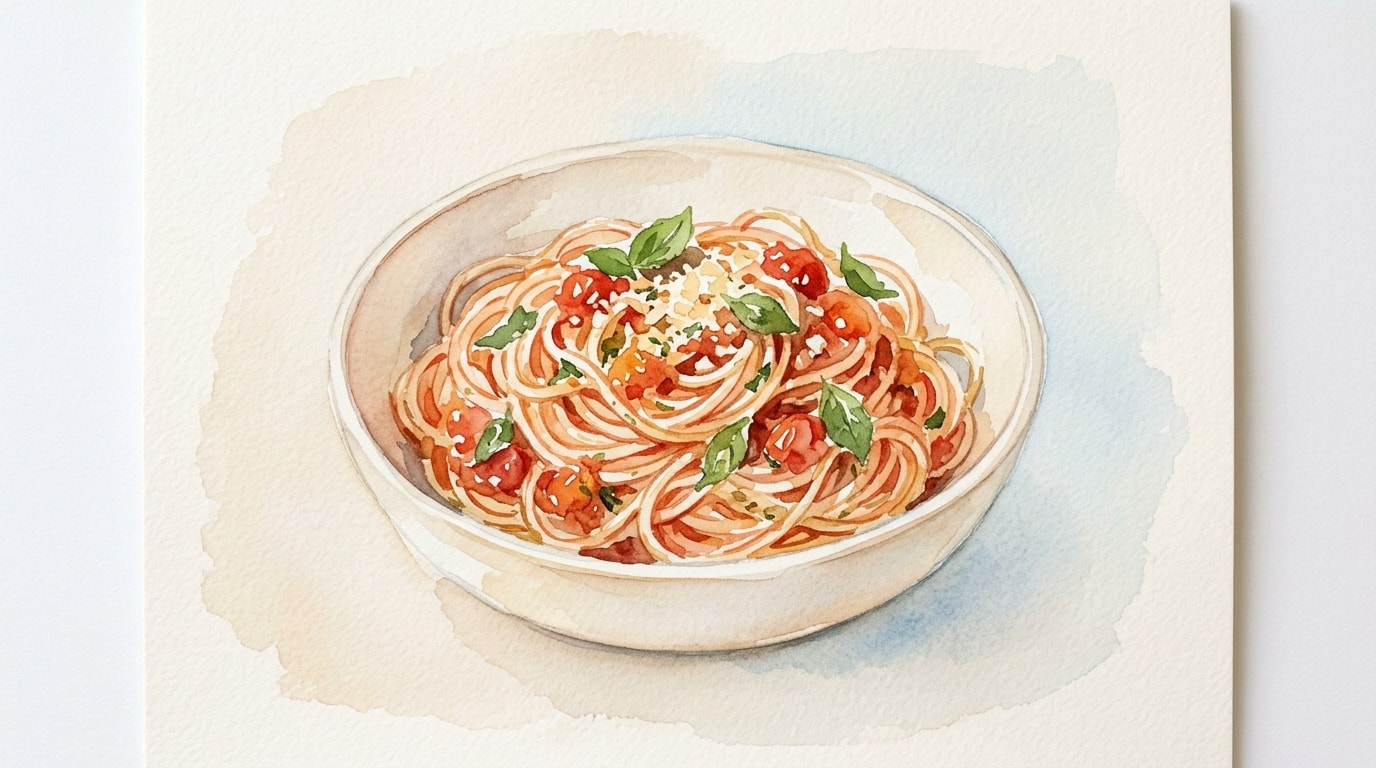
- 400 g fresh pappardelle
- 50 g parmigiano reggiano, freshly grated
Nutrition (per serving)
Method
Thoroughly pat the rabbit pieces dry with paper towels to ensure a good sear. Season all sides generously with salt and black pepper.
Heat the olive oil in a Dutch oven over medium-high heat. Working in batches to avoid crowding the pan, sear the rabbit pieces until deeply browned on all sides, about 8-10 minutes per batch. Transfer the browned rabbit to a plate.
Reduce the heat to medium. Add the diced pancetta to the rendered fat in the pot and cook until crisp. Add the onion, carrot, and celery. Sauté until the vegetables are softened and the onions are translucent, about 8 minutes.
Create a small clearing in the center of the vegetables. Add the tomato paste and minced garlic. Cook, stirring constantly, until the tomato paste darkens slightly to a rust color and the garlic is fragrant.
Pour in the white wine to deglaze the pot, scraping up all the browned bits (fond) from the bottom with a wooden spoon. Allow the wine to reduce by half.
Stir in the crushed tomatoes, warm chicken stock, rosemary, thyme, and bay leaves. Return the rabbit pieces and any accumulated resting juices to the pot. The liquid should come about halfway up the rabbit. Bring to a gentle simmer (around 90°C/195°F), then cover and reduce heat to low. Braise gently until the meat is completely tender and reaches a safe internal temperature of 74°C/165°F, about 1.5 hours.
Carefully transfer the rabbit pieces to a cutting board. Discard the herb sprigs and bay leaves from the sauce. Using two forks, shred the meat from the bones, taking care to remove all small bones and cartilage. Return the shredded meat to the sauce and simmer uncovered for 10 minutes to thicken.
Bring a large pot of heavily salted water to a rolling boil. Drop in the fresh pappardelle and cook until al dente, usually just 2-3 minutes for fresh pasta.
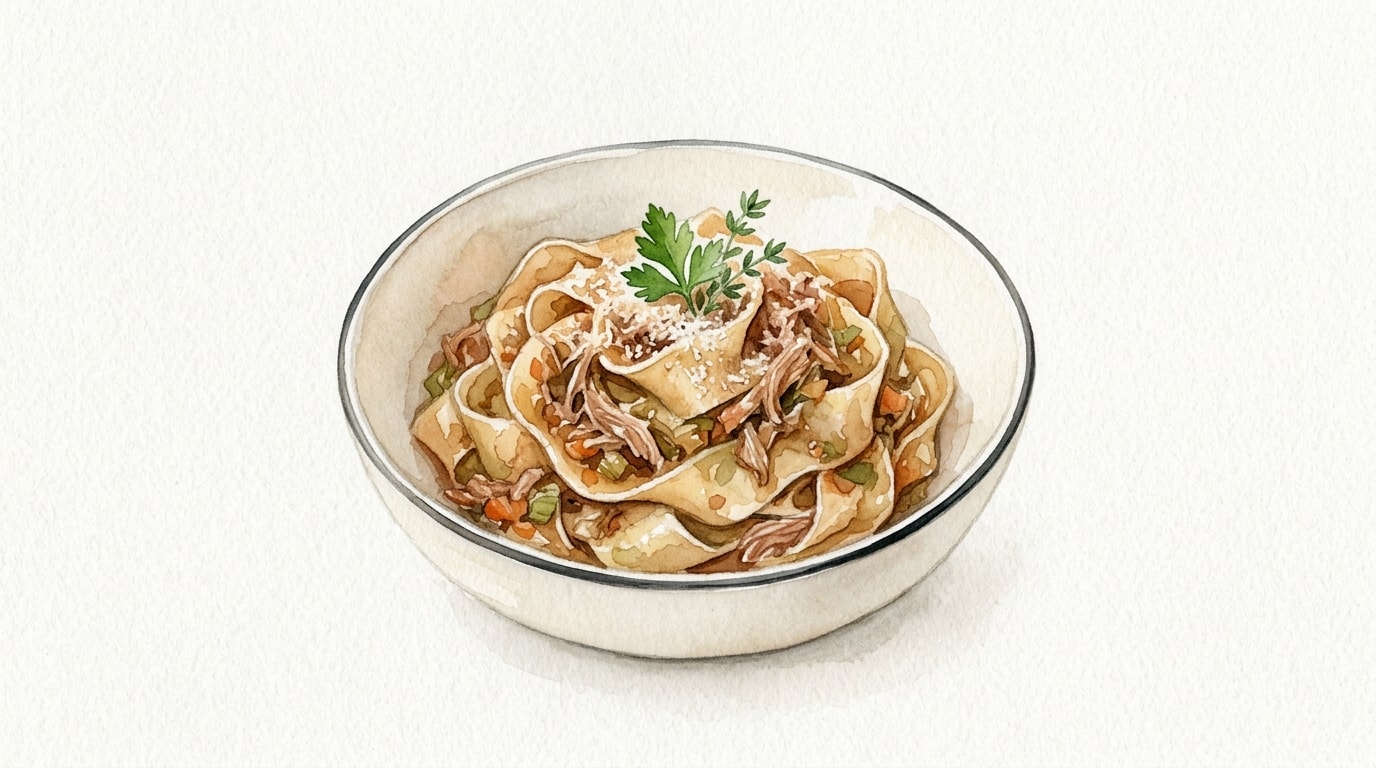
Using tongs, transfer the cooked pasta directly from the boiling water into the ragù, bringing a splash of starchy pasta water along with it. Toss vigorously over low heat for 1 minute so the pasta absorbs the flavors and the sauce emulsifies and coats the noodles. Serve immediately, garnished with freshly grated Parmigiano Reggiano.
Chef's Notes
- Rabbit is incredibly lean compared to other braising meats like beef or pork shoulder. Browning it well builds fundamental flavor, but low, slow, gentle heat is crucial to keep it from drying out.
- Do not skip browning the tomato paste. Caramelizing it mellows its raw acidity and introduces a deep, umami-rich sweetness to the finished sauce.
- Never rinse your cooked pasta. The surface starches are essential for helping the rich rabbit ragù cling perfectly to the wide ribbons of pappardelle.
- If you have the time, making this ragù a day in advance and chilling it overnight allows the savory notes to marry and deepen beautifully.
Storage
Refrigerator: 3 days — Store ragù separately from pasta if possible for best texture.
Freezer: 3 months — Ragù freezes exceptionally well. Do not freeze the cooked pasta.
Reheating: Reheat the ragù gently on the stovetop with a splash of water or stock before tossing with freshly cooked pasta.