Equipment
* optional
Ingredients
Biga (Preferment)
- 150 g bread flour
- 150 ml water, room temperature
- 1 g instant yeast
Main Dough
- 350 g bread flour
- 230 ml water, lukewarm
- 12 g fine sea salt
- 4 g instant yeast
- 20 ml extra virgin olive oil
Nutrition (per serving)
Method
In a medium bowl, combine the biga ingredients: 150g bread flour, 150ml room temperature water, and 1g instant yeast. Stir until a shaggy, cohesive dough forms with no dry spots.
Cover the bowl tightly and let the biga rest at room temperature for 12 to 16 hours. It should become bubbly, highly aromatic, and slightly domed.
In a large mixing bowl, pour in the 230ml of lukewarm water. Tear the fermented biga into smaller pieces and add them to the water, stirring gently to loosen it. Add the remaining 350g bread flour and 4g instant yeast. Mix until a rough dough forms.
Sprinkle the 12g of fine sea salt over the dough and pour in the 20ml of extra virgin olive oil. Knead the dough inside the bowl or on a work surface until the oil is fully absorbed and the dough becomes relatively smooth and elastic.
Transfer the dough to a lightly oiled bowl, cover, and let it undergo bulk fermentation at room temperature for 2 hours. Every 45 minutes, perform a set of stretch and folds by pulling the edges of the dough up and over the center.
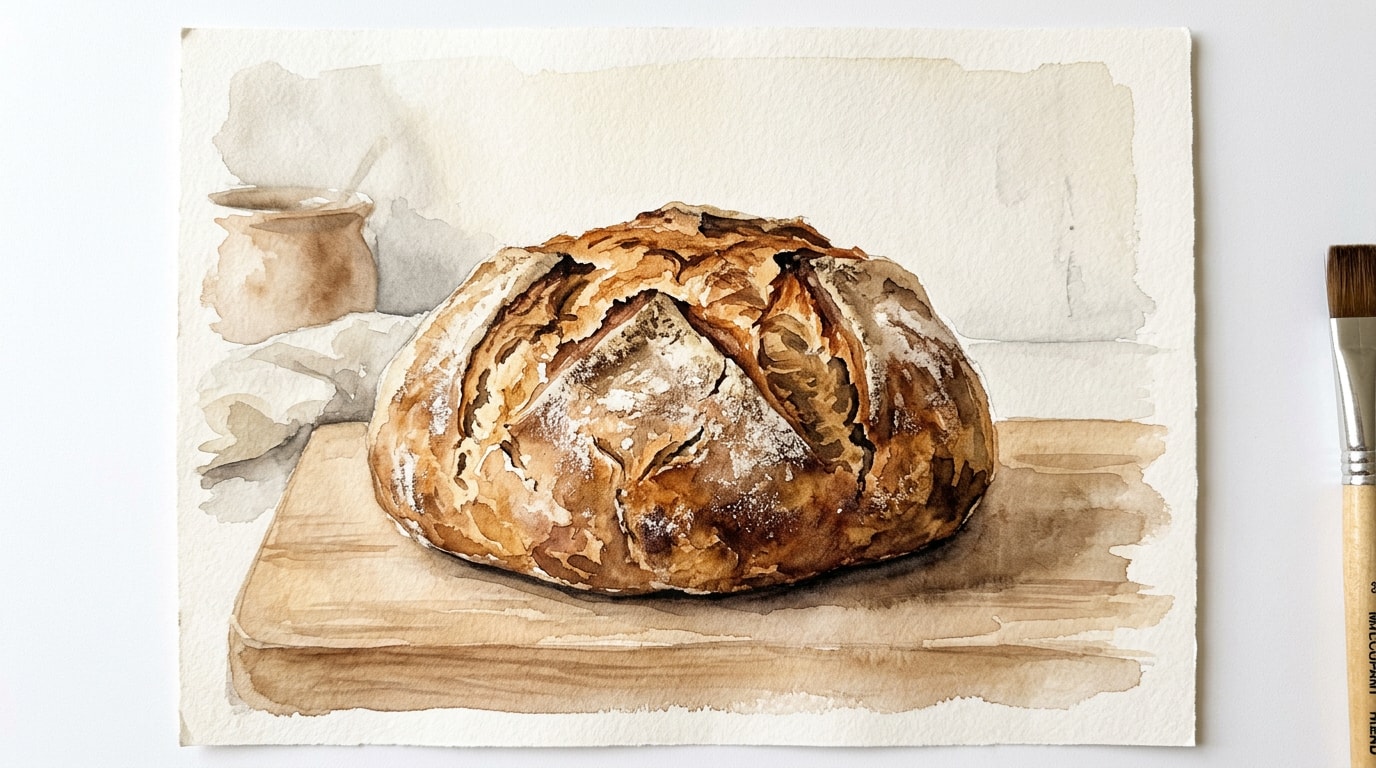
Turn the dough out onto a generously floured surface. Divide it equally into two pieces. Gently shape each piece into a rough rectangle or batard (oval), being careful not to degas the dough too much.
Place the shaped loaves on a piece of parchment paper generously dusted with flour. Cover loosely with a damp towel and let them proof for 1 hour.
About 45 minutes before baking, place a baking stone on the middle rack of the oven and a metal roasting pan on the bottom rack. Preheat the oven to 250 degrees Celsius (480 degrees Fahrenheit).
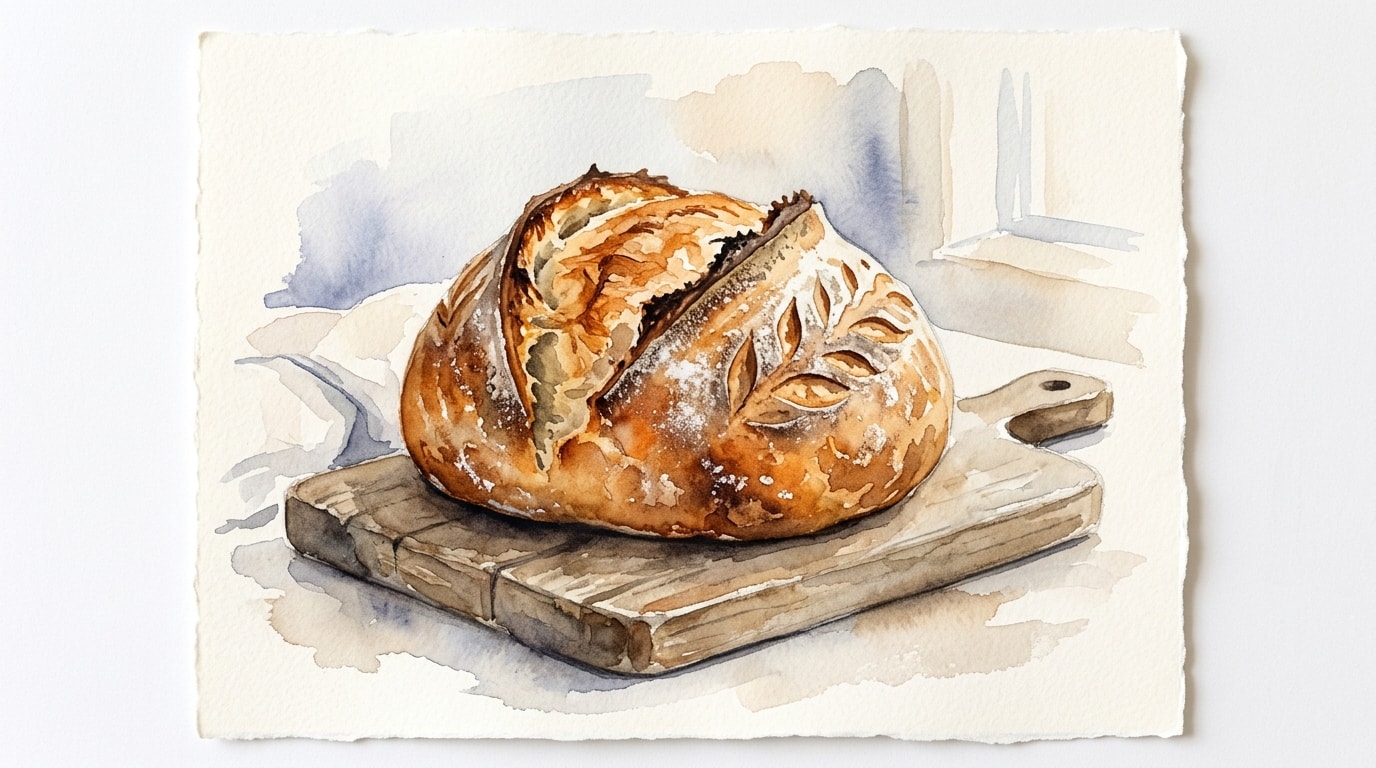
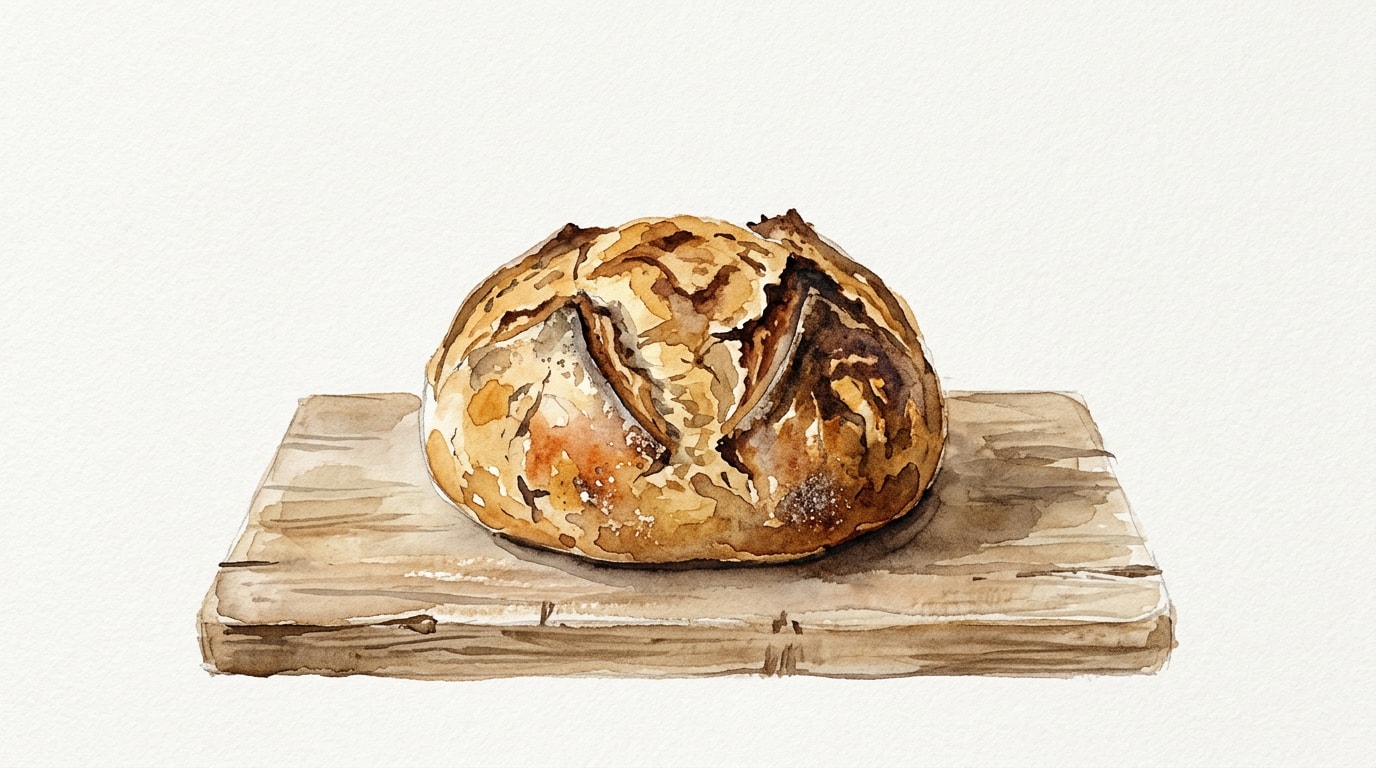
Right before baking, use a lame or a very sharp knife to make one long, swift score down the center of each loaf.
Carefully slide the parchment paper with the loaves onto the hot baking stone. Immediately pour one cup of boiling water into the preheated metal roasting pan below to create steam, then quickly shut the oven door. Reduce the oven temperature to 230 degrees Celsius (445 degrees Fahrenheit) and bake for 30 minutes.
Remove the loaves from the oven and transfer them immediately to a wire rack. Allow the bread to cool completely before slicing.
Chef's Notes
- Resist the urge to add more flour during the stretch and fold phase. High hydration doughs are naturally sticky, and wet hands or a bench scraper are the best tools for handling them.
- The 12 to 16 hour biga fermentation is critical for developing the complex organic acids that give rustic Italian bread its signature flavor profile.
- Baking with steam delays crust formation, allowing the bread to expand fully (oven spring) before the exterior sets and crisps.
- Cutting into hot bread turns the starches gummy. Always wait at least one hour for the crumb structure to completely set before slicing.
Storage
Freezer: 3 months — Slice before freezing. Toast slices directly from frozen.
Reheating: Refresh whole leftover loaf in a 175C oven for 5 to 8 minutes until the crust re-crisps.