Equipment
Ingredients
Pasta and Base
- 400 g linguine pasta, dry
- 30 g kosher salt
Sauce
- 150 g pancetta, diced into small cubes
- 15 ml extra virgin olive oil
- 500 g cherry tomatoes, halved
- 3 garlic, minced
- 2 g black pepper, freshly cracked
Garnish
- 20 g fresh basil, roughly torn
- 50 g parmesan cheese, freshly grated
Nutrition (per serving)
Method
Prepare your ingredients by mincing the garlic, halving the cherry tomatoes, and dicing the pancetta if not bought pre-diced.
Fill a large pot with water and bring to a rolling boil at 100°C/212°F. Add the kosher salt, then the linguine. Cook until al dente, about 9 minutes. Reserve at least 200ml of the starchy pasta water before draining the noodles in a colander.
While the pasta cooks, place the diced pancetta and olive oil in a cold large skillet. Place over medium heat and cook until the fat has rendered and the pork pieces are crispy, about 7 minutes.
Add the minced garlic to the skillet with the rendered pancetta fat. Stir continuously to prevent burning.
Add the halved cherry tomatoes and black pepper to the skillet. Cook, stirring occasionally, until the tomatoes soften, burst, and release their juices to form a rustic sauce.
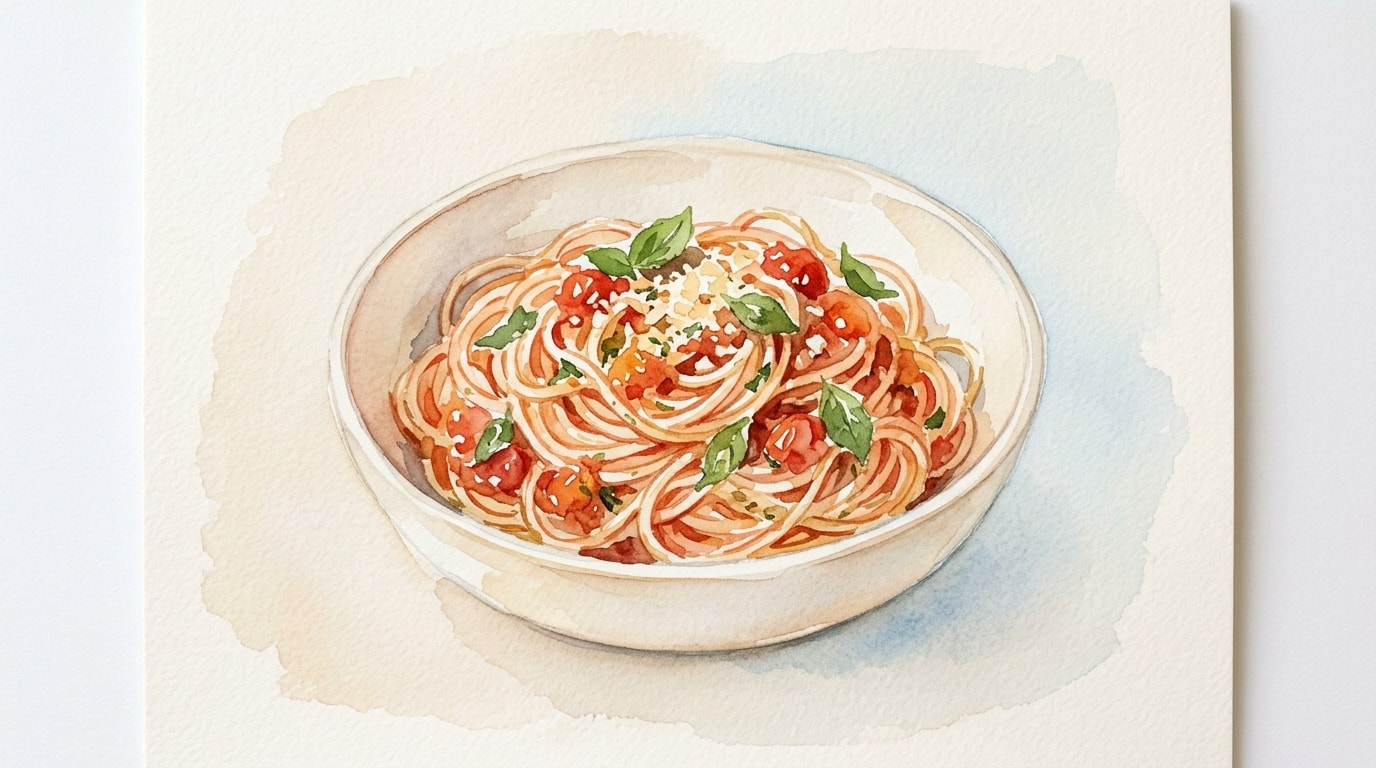
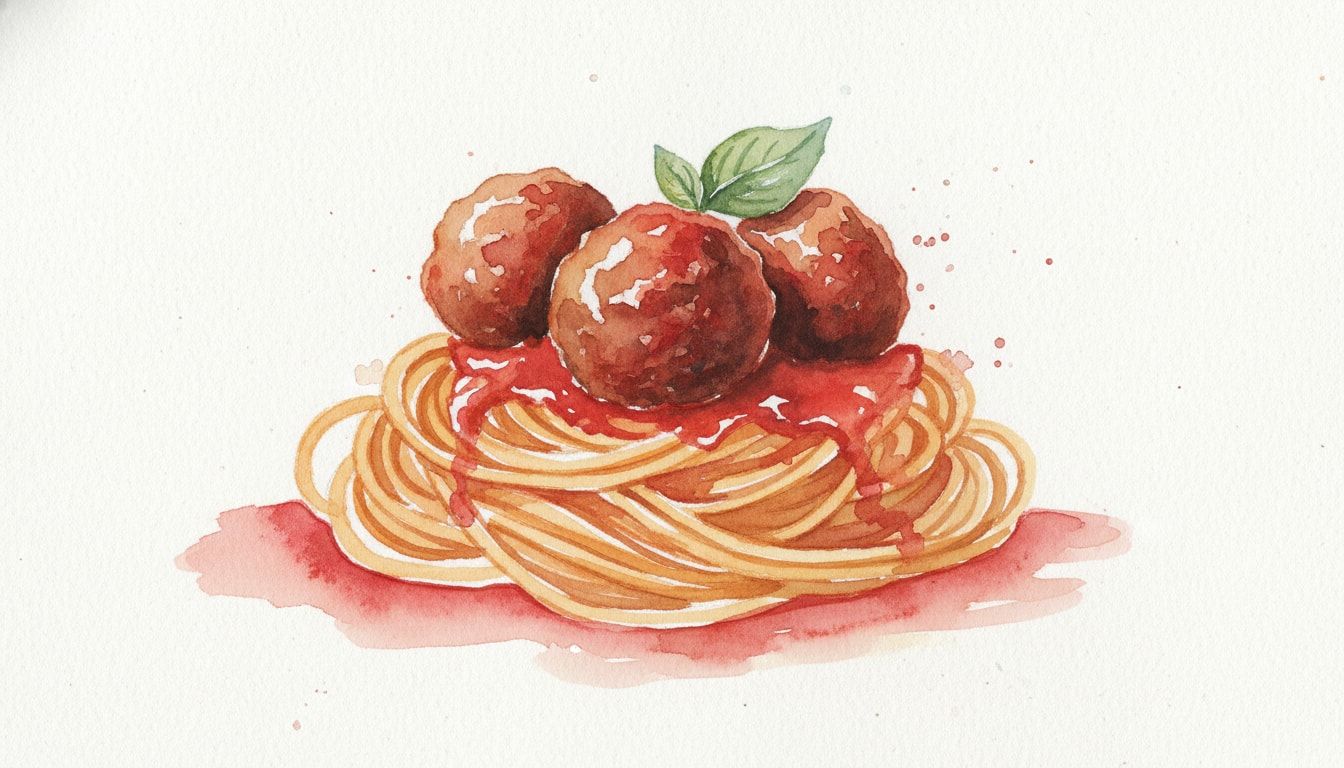
Transfer the drained linguine directly into the skillet with the tomatoes and pancetta. Pour in 100ml of the reserved pasta water. Toss vigorously with tongs over medium heat until the water and oils emulsify into a glossy sauce that coats the noodles evenly.
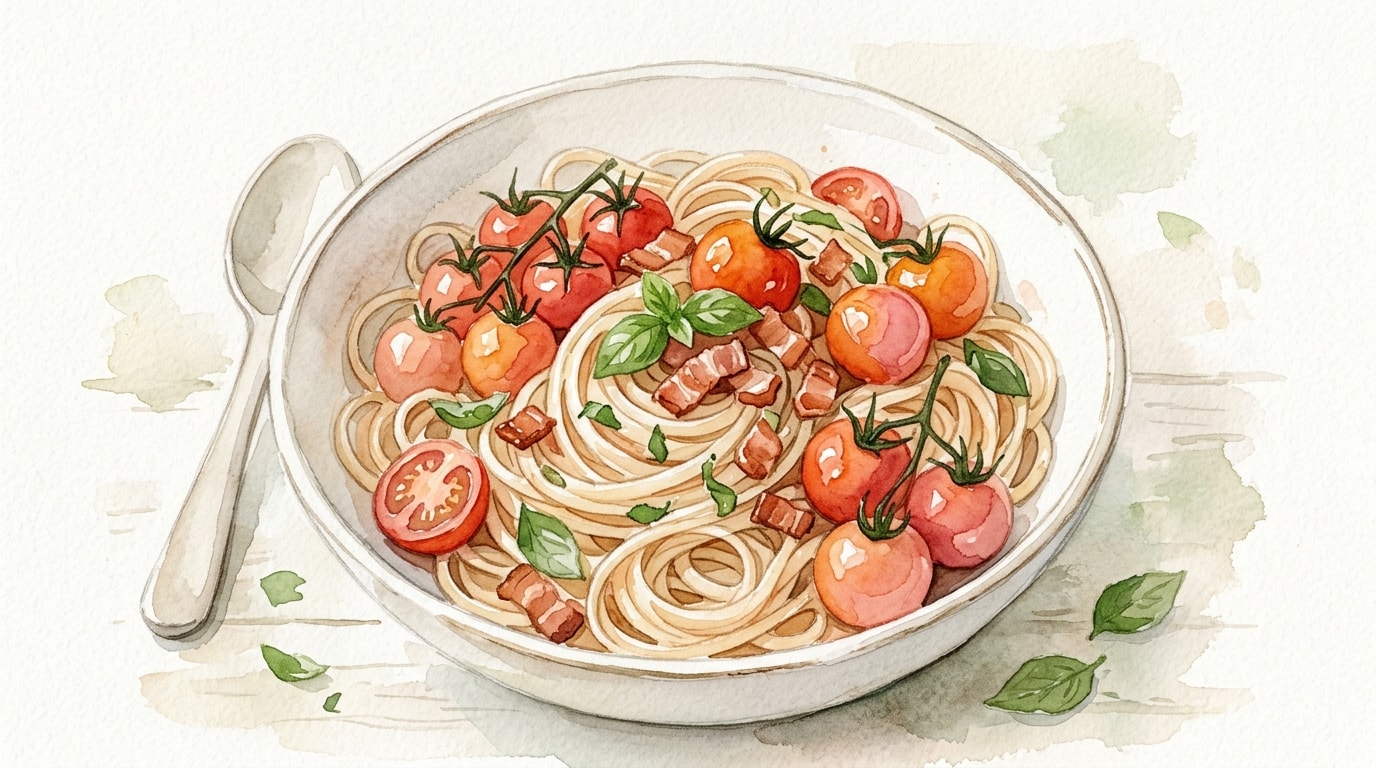
Remove the skillet from the heat. Stir in half of the torn fresh basil and half of the grated parmesan cheese. Plate immediately in warm bowls, garnishing with the remaining basil and parmesan.
Chef's Notes
- Always reserve more pasta water than you think you need. The starch in the water is the secret to binding the rendered pork fat and tomato juices into a cohesive, creamy emulsion.
- Starting the pancetta in a cold pan is a foundational Italian technique. It helps render the fat much more evenly and yields a profoundly crispier texture without burning the meat.
- Salting the pasta water is crucial; it should taste distinctly salty like the sea. However, be extremely cautious with adding additional salt to the finished sauce, as the pancetta, parmesan, and reduced pasta water will provide intense salinity.
- For the ultimate summer flavor profile, store your fresh tomatoes at room temperature. Refrigerating tomatoes permanently dulls their flavor enzymes and alters their cellular texture.
Storage
Refrigerator: 3 days — Store in an airtight container. The sauce may dry out slightly upon chilling.
Reheating: Reheat gently on the stovetop over low heat, adding a splash of water to revive the emulsion.