Equipment
* optional
Ingredients
Dough
- 750 g bread flour
- 425 ml water, warm
- 40 g unsalted butter, chilled
- 12 g yeast
- 12 g salt
- 10 g sugar
Topping and Greasing
- 5 ml vegetable oil
- 1 egg, beaten
- 5 g poppy or sesame seeds
Nutrition (per serving)
Method
Dissolve the sugar in 150ml of warm water within a jug, then stir in the yeast and let it sit for 5 minutes until frothy.
Sift the bread flour and salt into a large bowl, then rub the butter into the flour using your fingertips until it resembles fine crumbs.
Make a well in the center of the flour mixture and pour in the yeast mixture along with most of the remaining water.
Stir the ingredients together to form a loose dough, adding more water if the mixture is too dry.
Knead the dough on a floured surface for 10 minutes until smooth and springy, or use a stand mixer with a dough hook for 5 minutes.
Place the dough in a bowl lightly coated with vegetable oil, cover tightly, and let rise in a warm place for 2 hours or until doubled in size.
Preheat the oven to 220°C (425°F).
Punch down the risen dough to release air and knead it again for 3 minutes.
Let the dough rest for 10 minutes to allow the gluten to relax before shaping.
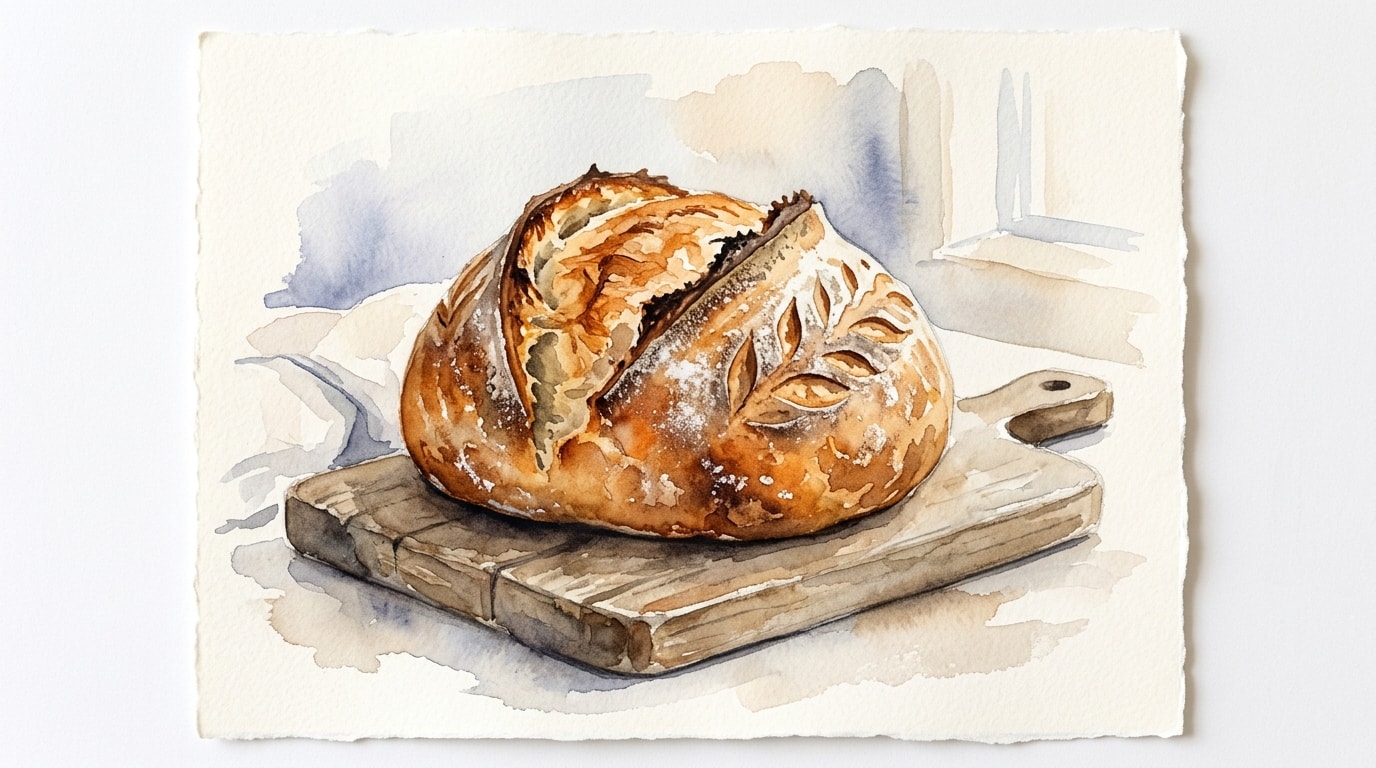
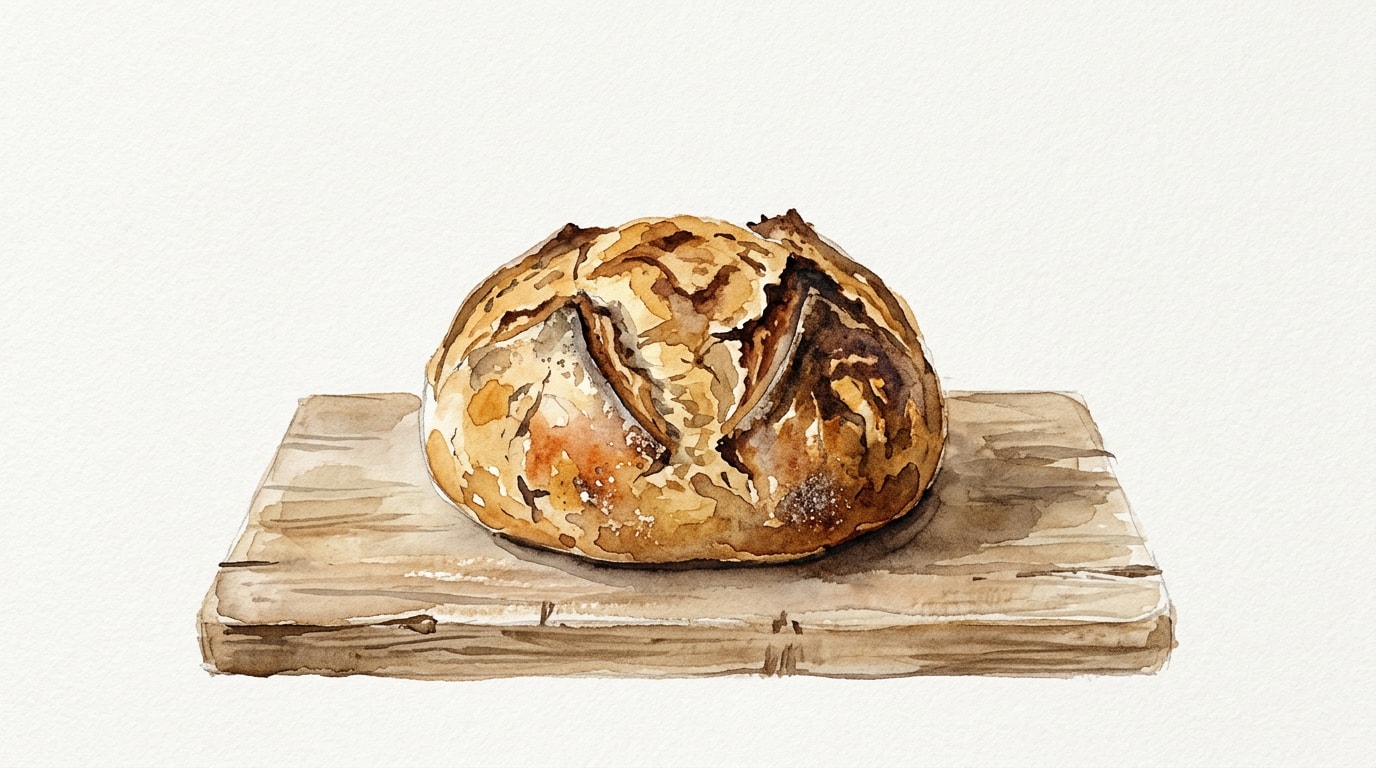
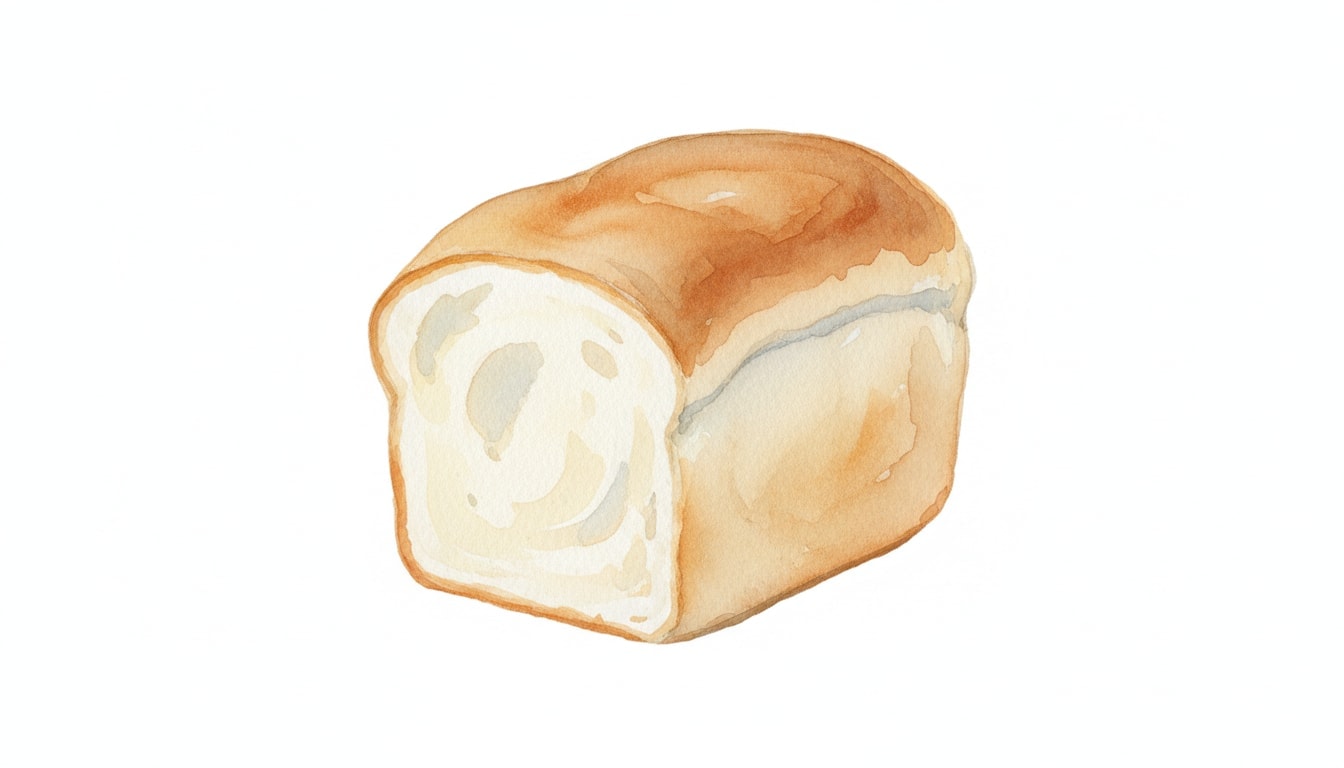
Shape the dough into a loaf and place it on a baking tray. Cover with a towel and rise for 30 minutes until doubled.
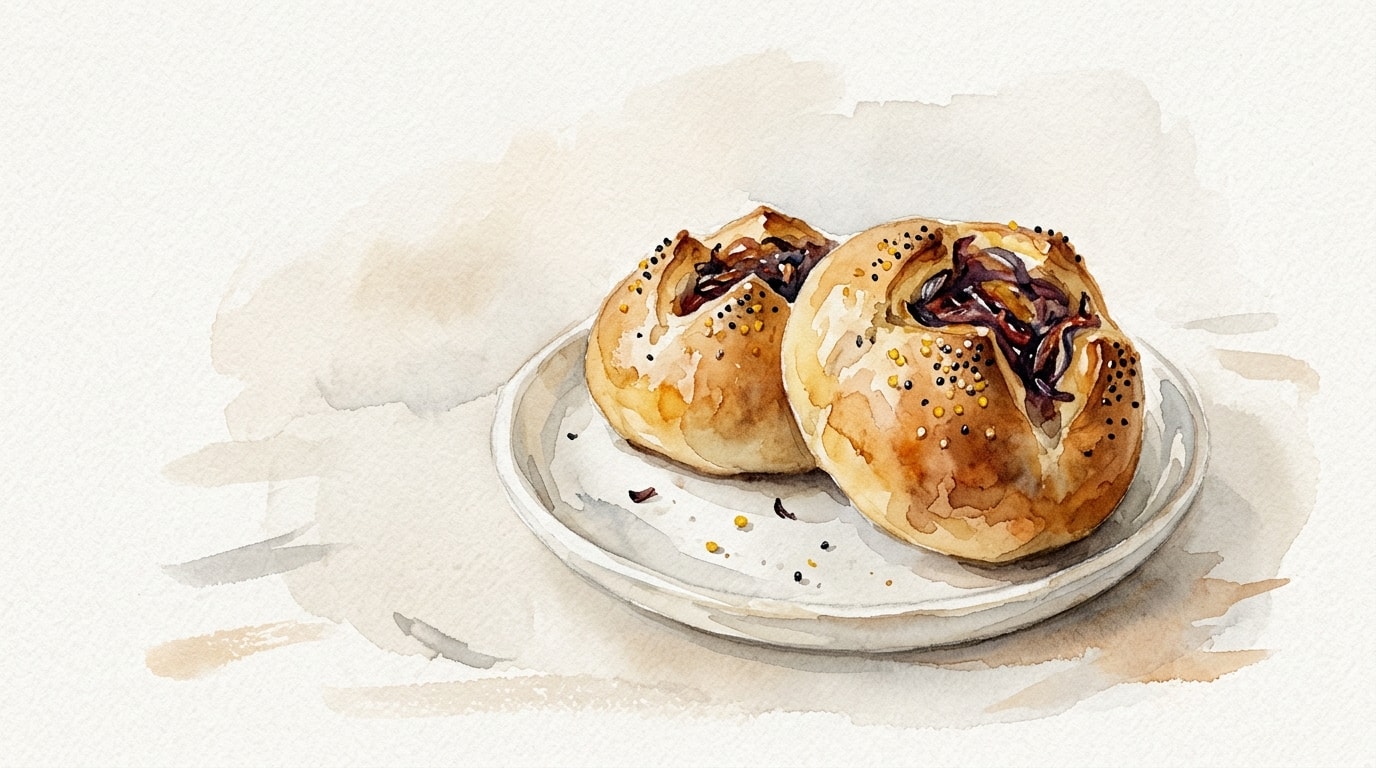
Brush the top of the loaf with the beaten egg and sprinkle with poppy or sesame seeds if using.
Bake the loaf at 220°C (425°F) for 15 minutes.
Reduce the oven temperature to 200°C (400°F) and bake for an additional 30 minutes.
Remove the bread from the oven and transfer it to a wire rack to cool completely.
Chef's Notes
- Ensure your yeast is fresh and active; a good frothy bloom in step 1 is crucial for a good rise.
- Don't skimp on the kneading time. Proper gluten development is key to achieving that springy texture and good crumb structure.
- The double baking temperature is intentional: a high initial heat for oven spring and crust development, followed by a lower temperature to ensure the inside cooks through without burning the crust.
- Cooling on a wire rack is essential. Trapped steam will make the crust soggy if the bread cools in its tin or on a solid surface.
- For an even softer crust, you can lightly brush the baked loaf with melted butter as soon as it comes out of the oven.
Storage
Refrigerator: 3 days — Store in an airtight container to prevent drying.
Freezer: 3 months — Slice before freezing for easier use.
Reheating: Toast slices or warm the whole loaf at 150°C (300°F) for 10 minutes.