Equipment
Ingredients
Dry Mix
- 120 g rye flour, medium grind
- 140 g cornmeal, stone ground preferred
- 130 g whole wheat flour
- 10 g baking soda
Wet Mix
- 480 ml buttermilk, room temperature
- 200 g molasses, mild or robust flavor
- 45 g doenjang
Preparation
- 15 g unsalted butter, softened
Nutrition (per serving)
Method
Generously grease the inside of two clean 400-500ml steel cans with softened butter. Place a trivet or a folded kitchen towel at the bottom of a large stockpot to prevent the cans from rattling. Fill the pot with enough water to reach halfway up the sides of the cans, but remove the cans before heating. Bring the water to a boil.
In a large mixing bowl, whisk together the rye flour, cornmeal, whole wheat flour, and baking soda until thoroughly combined and free of lumps.
In a separate bowl or large measuring jug, whisk the buttermilk and molasses. Add the doenjang and whisk vigorously until the paste is completely dissolved into the liquid. It must be smooth to ensure even seasoning.
Pour the wet ingredients into the dry ingredients. Fold gently with a spatula just until no dry streaks of flour remain. Do not overmix, or the bread will become tough.
Divide the batter evenly between the prepared cans. They should be about two-thirds full. Cover the top of each can with a piece of aluminum foil greased with butter on the underside. Tie the foil tightly around the rim of the can with kitchen twine to create a steam-proof seal.
Place the sealed cans into the pot of boiling water. Reduce heat to a gentle simmer. Cover the pot with a lid and steam for 2 hours and 15 minutes to 2 hours and 30 minutes. Check water level periodically, adding boiling water if it drops significantly.
Check for doneness by inserting a skewer through the foil into the center of the bread. It should come out clean. The internal temperature should reach roughly 90°C/194°F.
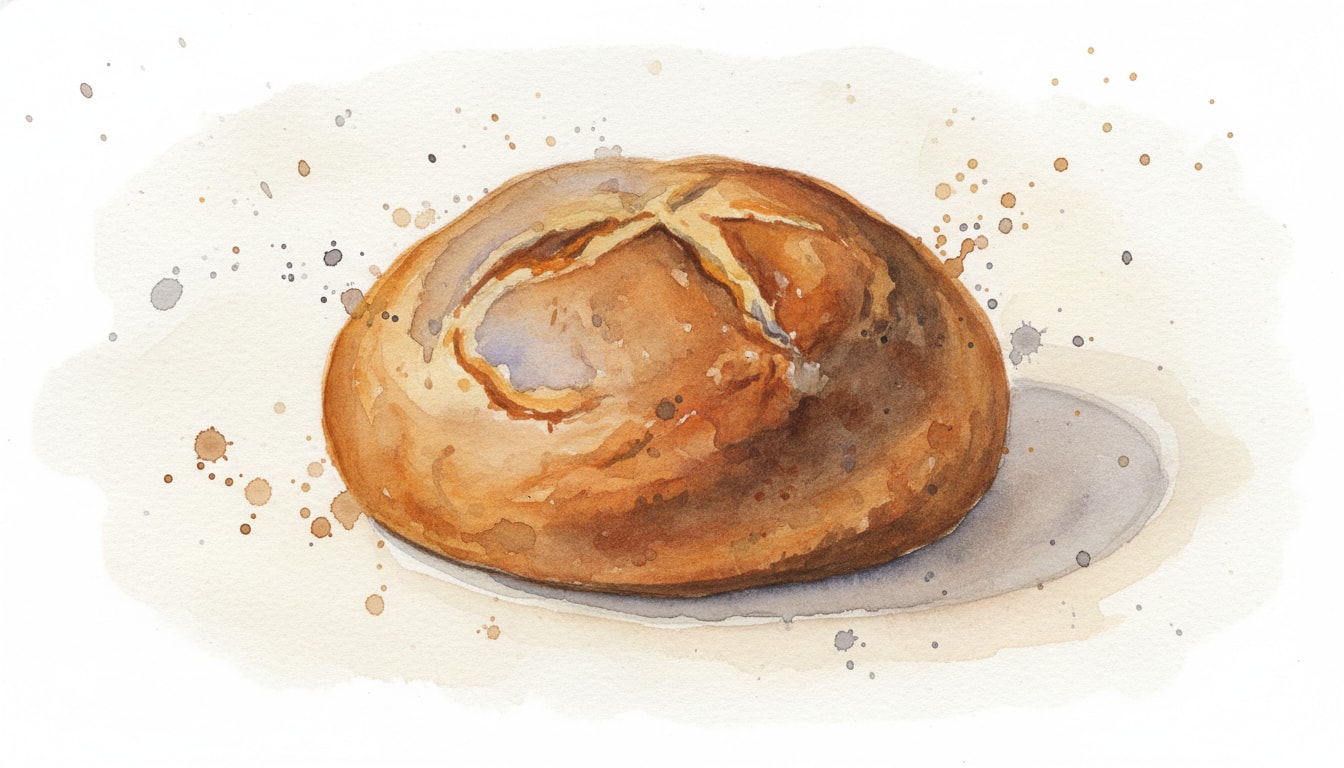
Remove cans from the water and let them rest on a wire rack for 10-15 minutes. Run a thin knife around the edge to loosen, then invert the cans to slide the bread out. Slice and serve warm.
Chef's Notes
- Doenjang is saltier and funkier than miso. Its inclusion here bridges the gap between the malty molasses and the grassy rye flour, creating a flavor profile reminiscent of salted caramel and dark stout beer.
- Traditional 'Thirded' bread uses equal volumes of the three flours. We use metric weights here for precision, but the ratios remain close to tradition.
- If you cannot find clean tins, a heat-proof pudding mold or a ceramic bowl covered tightly will work, though the cooking time may increase by 15-20 minutes depending on the width of the vessel.
- Do not skip the resting period after steaming. The structure of the bread sets as it cools slightly; unmolding too early may cause it to crumble.
Storage
Refrigerator: 1 week — Wrap tightly in plastic wrap to maintain moisture.
Freezer: 3 months — Slice before freezing for easier reheating.
Reheating: Toast lightly or steam for 5 minutes to restore softness.