Equipment
* optional
Ingredients
Dough
- 500 g bread flour
- 400 ml water, warm, around 40C or 105F
- 7 g active dry yeast
- 10 g fine sea salt
- 5 g granulated sugar
Nutrition (per serving)
Method
In a large mixing bowl, whisk together the warm water, active dry yeast, and granulated sugar. Let the mixture sit for 10 minutes until it becomes cloudy and slightly foamy on the surface.
Add the bread flour and fine sea salt to the yeast mixture. Stir vigorously with a wooden spoon until a highly hydrated, shaggy dough forms. Ensure there are no dry pockets of flour remaining at the bottom of the bowl.
Cover the bowl tightly with plastic wrap or a damp kitchen towel. Let proof in a warm place for 1.5 hours, or until the dough has doubled in volume and exhibits prominent surface bubbles.
Place a baking stone or heavy baking sheet on the middle rack of the oven. Preheat the oven to 260°C/500°F. Allow the stone to heat up for at least 30 minutes.
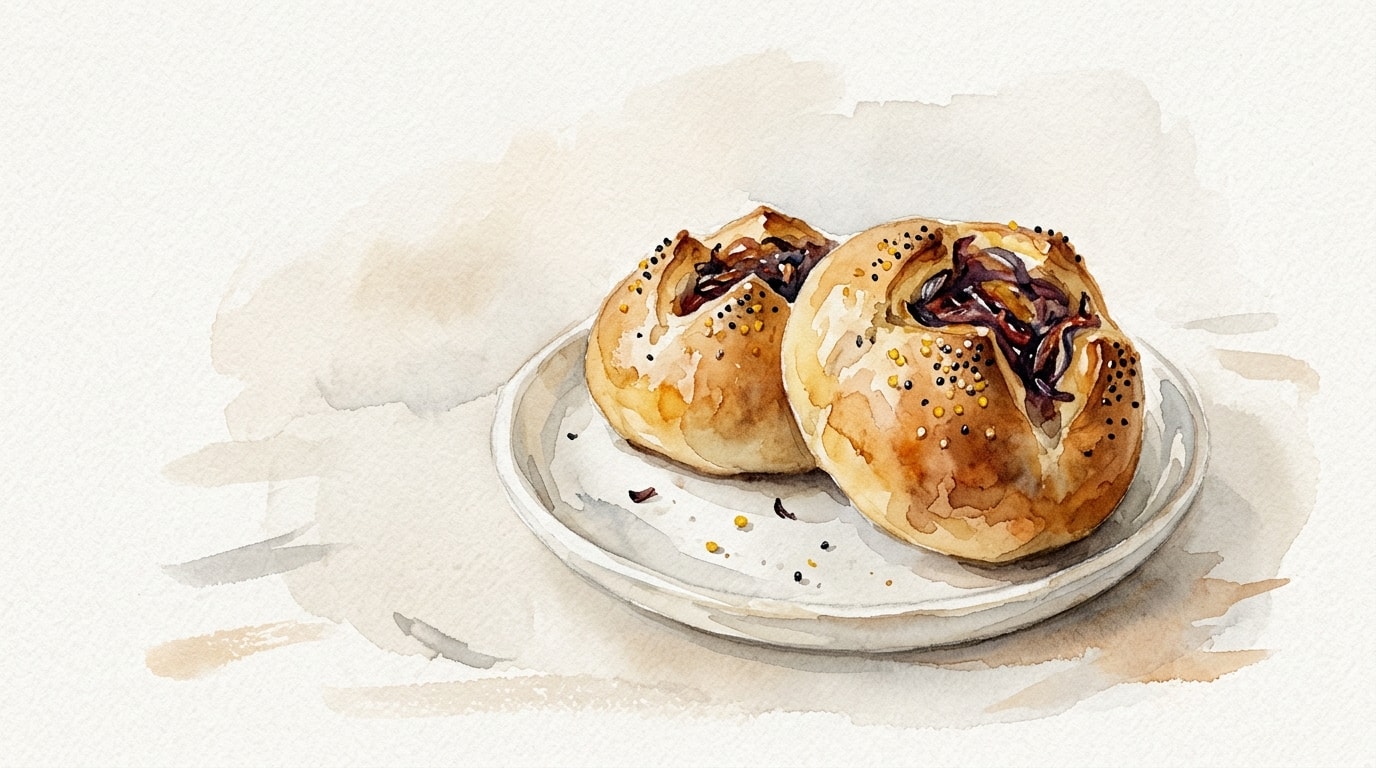
Generously flour a work surface. Scrape the wet dough out of the bowl. Dust the top with more flour and gently divide it into two equal portions. Using floured hands, gently tuck the edges under to form two rustic, flat rounds about 2 centimeters thick. Transfer each to its own piece of parchment paper.
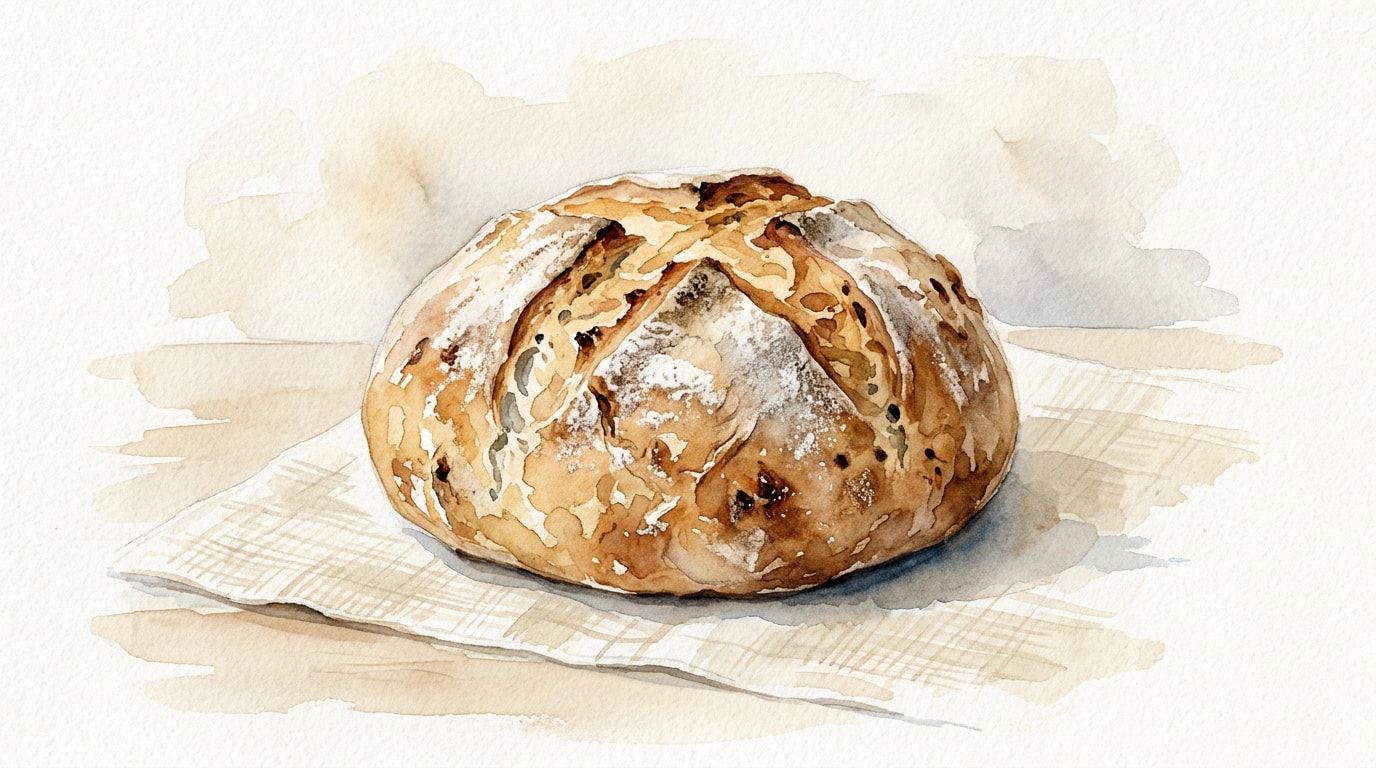
Using the blunt edge of a knife or a wooden skewer, press a shallow crosshatch grid pattern into the top of each dough round. Cover lightly and let rest for 30 minutes while the oven finishes preheating.
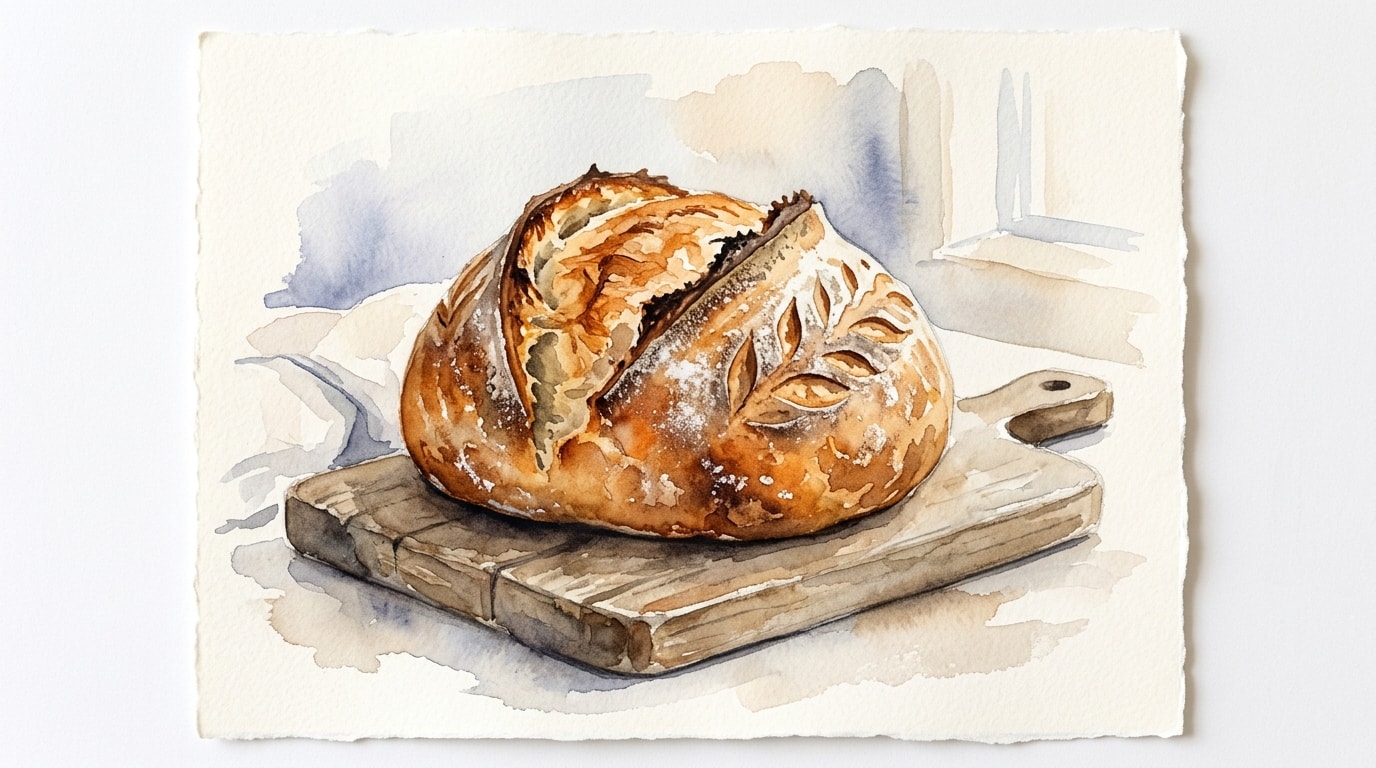
Use extreme caution when opening the 260°C/500°F oven, as hot steam will escape. Carefully transfer the dough rounds, still on their parchment paper, onto the preheated baking stone. Bake for 12 to 15 minutes until fully puffed, lightly blistered, and golden brown.
Remove the bread from the oven and transfer immediately to a wire cooling rack. Wrap the hot bread entirely in a clean cotton kitchen towel while cooling to trap the steam. This keeps the crust soft and chewy, a hallmark of this bread style.
Chef's Notes
- The signature soft crust of Bosnian bread comes entirely from the finishing step. Wrapping the hot, freshly baked loaves in a clean kitchen towel traps residual steam, softening what would otherwise be a hard crust.
- Because we are using active dry yeast on a weeknight timeline, dissolving it in warm water (around 40C or 105F) with a pinch of sugar is critical to activate it quickly and ensure a vigorous rise.
- Do not over-handle the dough when shaping. The large irregular air bubbles created during the proofing stage are essential for the characteristic open, chewy crumb.
- If you have a pizza peel, use it to slide the parchment paper carrying the dough directly onto the preheated stone. The intense burst of bottom heat creates the best oven spring.
Storage
Refrigerator: 3 days — Keep wrapped tightly in a plastic bag or airtight container.
Freezer: 3 months — Freeze wrapped in foil and placed in a resealable freezer bag for best quality.
Reheating: Thaw at room temperature if frozen. Reheat in a 200C oven for 3 to 5 minutes until warm and the crust is revived.