Equipment
Ingredients
Beef and Herb Filling
- 600 g beef top sirloin steak, sliced into thin cutlets against the grain
- 3 garlic, minced
- 15 g fresh flat-leaf parsley, finely chopped
- 5 g fresh oregano, finely chopped
- 40 g pecorino romano cheese, finely grated
- 4 g fine sea salt
- 2 g black pepper, freshly ground
Vibrant Grape Tomato Sauce
- 45 ml extra virgin olive oil, divided use
- 4 garlic, thinly sliced
- 750 g grape tomatoes, halved
- 120 ml dry white wine
- 15 g fresh basil leaves
- 1 g red pepper flakes
Pasta
- 400 g dried fettuccine
- 20 g fine sea salt
Nutrition (per serving)
Method
Place the beef cutlets between two sheets of plastic wrap. Using a meat mallet, gently pound them to a uniform 5mm thickness. Cut the pounded meat into strips approximately 10cm wide and 15cm long.
In a small bowl, combine the minced garlic, chopped parsley, fresh oregano, grated pecorino romano, 4g of salt, and black pepper. Mix well to create the filling.
Sprinkle the herb and cheese mixture evenly over each beef strip, leaving a slight border at the edges. Roll each strip tightly into a cylinder and secure the seam with a wooden toothpick or piece of kitchen twine.
Heat 30ml of extra virgin olive oil in a large skillet over medium-high heat. Sear the beef rolls until browned on all sides, turning occasionally. This should take about 6 minutes. Transfer the browned meat to a plate and set aside.
Reduce the skillet heat to medium. Add the remaining 15ml of olive oil, sliced garlic, and red pepper flakes. Sauté for about 1 minute until the garlic is fragrant and pale gold, being careful not to let it burn.
Pour the dry white wine into the skillet to deglaze the pan, using a wooden spoon to scrape up any browned bits from the bottom. Simmer for 2 to 3 minutes until the liquid is reduced by half.
Add the halved grape tomatoes to the skillet. Cover with a lid and simmer over medium-low heat for 10 minutes, or until the tomatoes begin to soften, collapse, and release their vibrant juices.
Return the seared beef rolls and any resting juices from the plate back into the tomato sauce. Cover the skillet and gently braise over low heat for 25 minutes. The internal temperature of the beef must reach at least 74°C/165°F to ensure safety and proper tenderization.
While the beef is braising, bring a large pot of water to a rolling boil. Add 20g of salt, then add the fettuccine. Boil until the pasta is al dente, approximately 10 minutes or according to package instructions.
Remove the beef rolls from the sauce to a cutting board and carefully remove all toothpicks or twine. Tear the fresh basil leaves and fold them into the simmering tomato sauce.
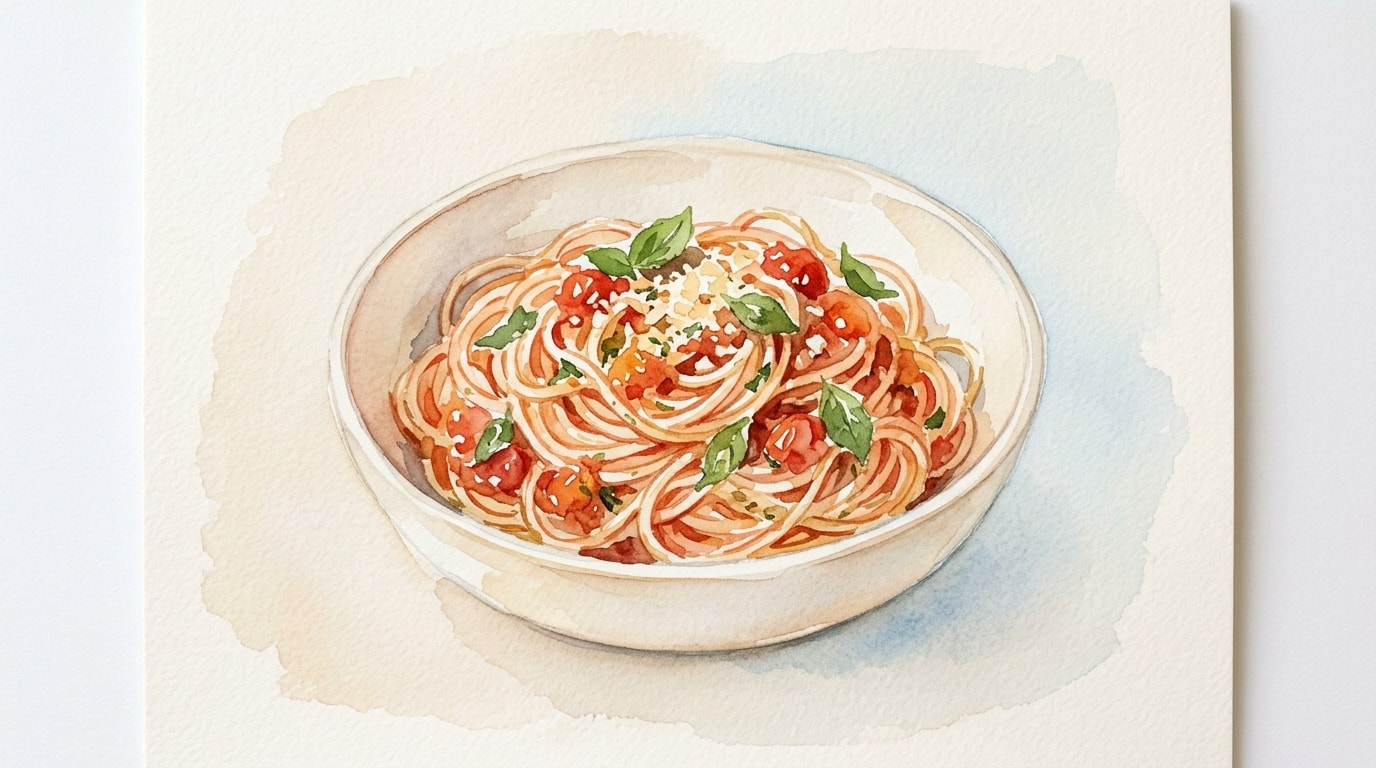
Drain the cooked fettuccine, reserving a small cup of pasta water. Transfer the drained pasta directly into the skillet with the tomato sauce. Toss vigorously to coat the pasta evenly, adding a splash of the reserved pasta water if needed to achieve a glossy finish.
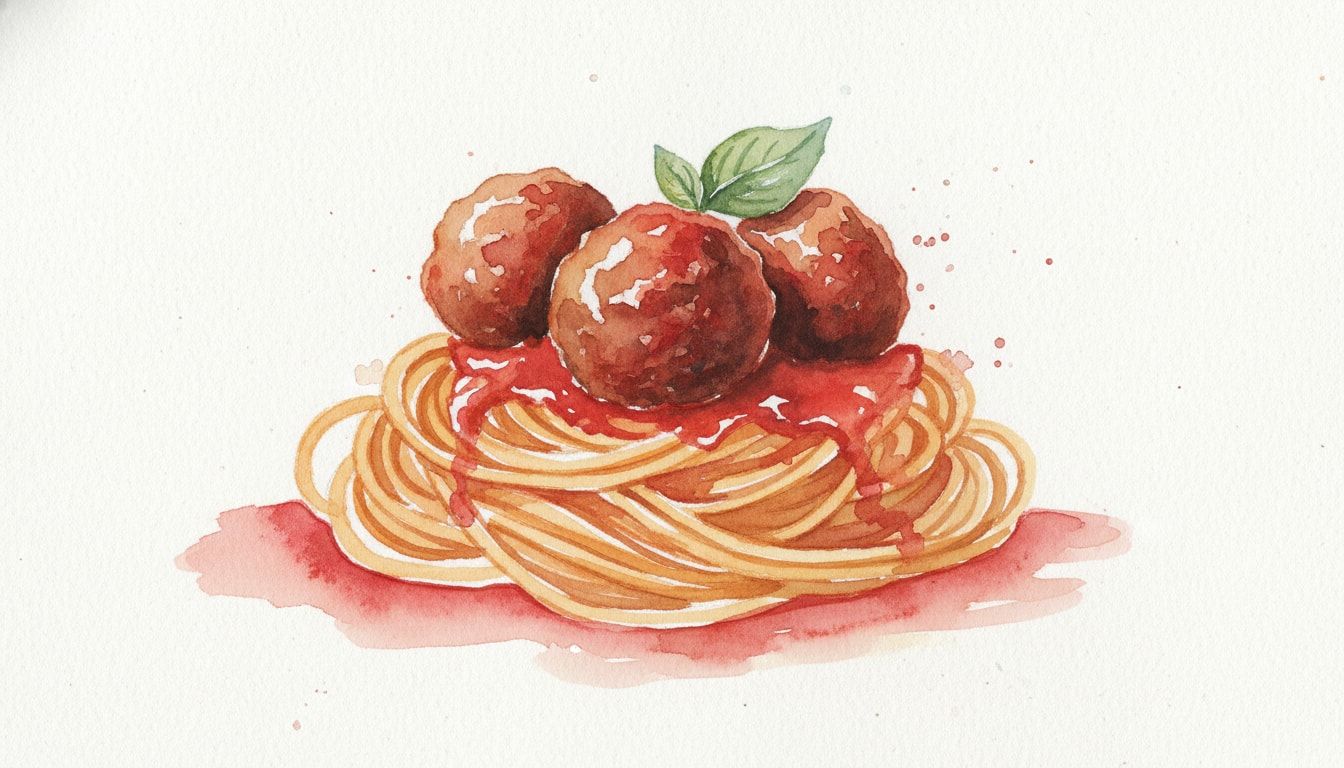
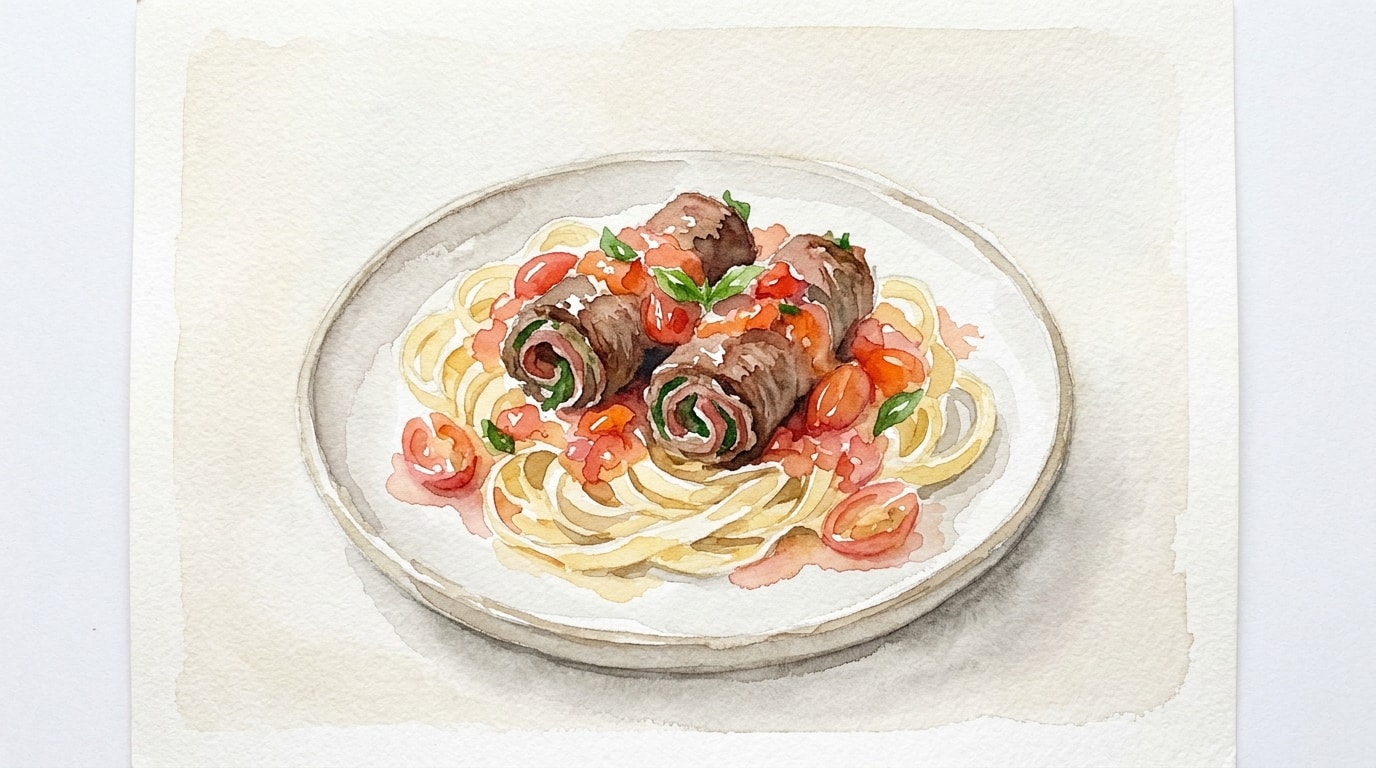
Divide the sauced fettuccine among warm serving plates or shallow bowls. Top each portion with the tender beef involtini, spooning any extra sauce from the pan over the meat. Serve immediately.
Chef's Notes
- Pounding the beef manually breaks down the muscle fibers before the cooking process even begins. This mechanical tenderization is the secret to making a traditionally slow-cooked cut work for a weeknight schedule.
- Using sweet, high-pectin grape tomatoes instead of canned plum tomatoes yields a remarkably vibrant sauce that naturally thickens and cooks down in a fraction of the time.
- Always count your toothpicks when securing the meat and verify you have removed the exact same number before plating. Leaving one behind poses a serious choking hazard.
- Tossing the pasta directly in the skillet rather than just pouring sauce over the top allows the starches to emulsify with the olive oil and tomato juices, creating a cohesive, restaurant-quality dish.
Storage
Refrigerator: 3 days — Store the beef involtini and sauce together. Store cooked pasta separately to prevent it from becoming mushy.
Freezer: 2 months — Freeze the beef and sauce in an airtight container. Do not freeze the fettuccine; prepare fresh pasta upon reheating.
Reheating: Gently simmer the beef and sauce in a covered skillet over low heat until warmed through, then toss with freshly cooked pasta.