Equipment
* optional
Ingredients
Dry Ingredients
- 200 g self-raising flour
- 3 g fine sea salt
Wet Ingredients & Fat
- 40 g unsalted butter, cold and diced
- 200 g mashed potatoes, completely cold
- 30 ml whole milk
Nutrition (per serving)
Method
Preheat your oven to 220°C/425°F and line a baking tray with parchment paper.
Whisk or sift the self-raising flour and fine sea salt together in a large mixing bowl to aerate.
Add the cold, diced unsalted butter to the bowl. Rub the butter into the flour using your fingertips until the mixture resembles fine breadcrumbs.
Add the cold mashed potatoes to the crumb mixture, using a fork to gently break them up and distribute them evenly through the flour.
Drizzle in the whole milk a little at a time, bringing the mixture together gently with your hands to form a soft dough.
Turn the dough out onto a lightly floured surface. Gently pat or roll the dough until it is an even 2 centimeters thick.
Dip your scone cutter in flour and press it straight down into the dough to cut out rounds, avoiding any twisting motion.
Transfer the cut dough rounds to the prepared baking tray, leaving a small gap between each scone.
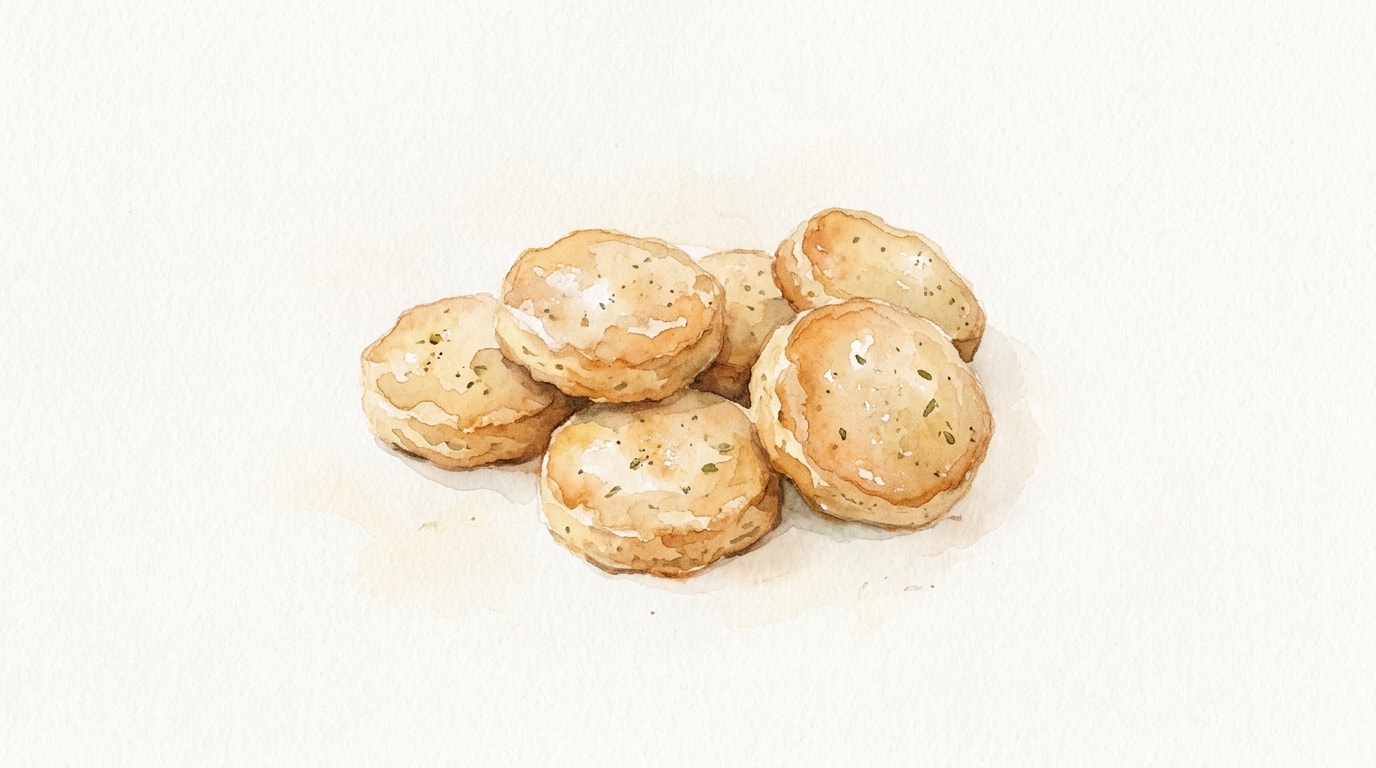
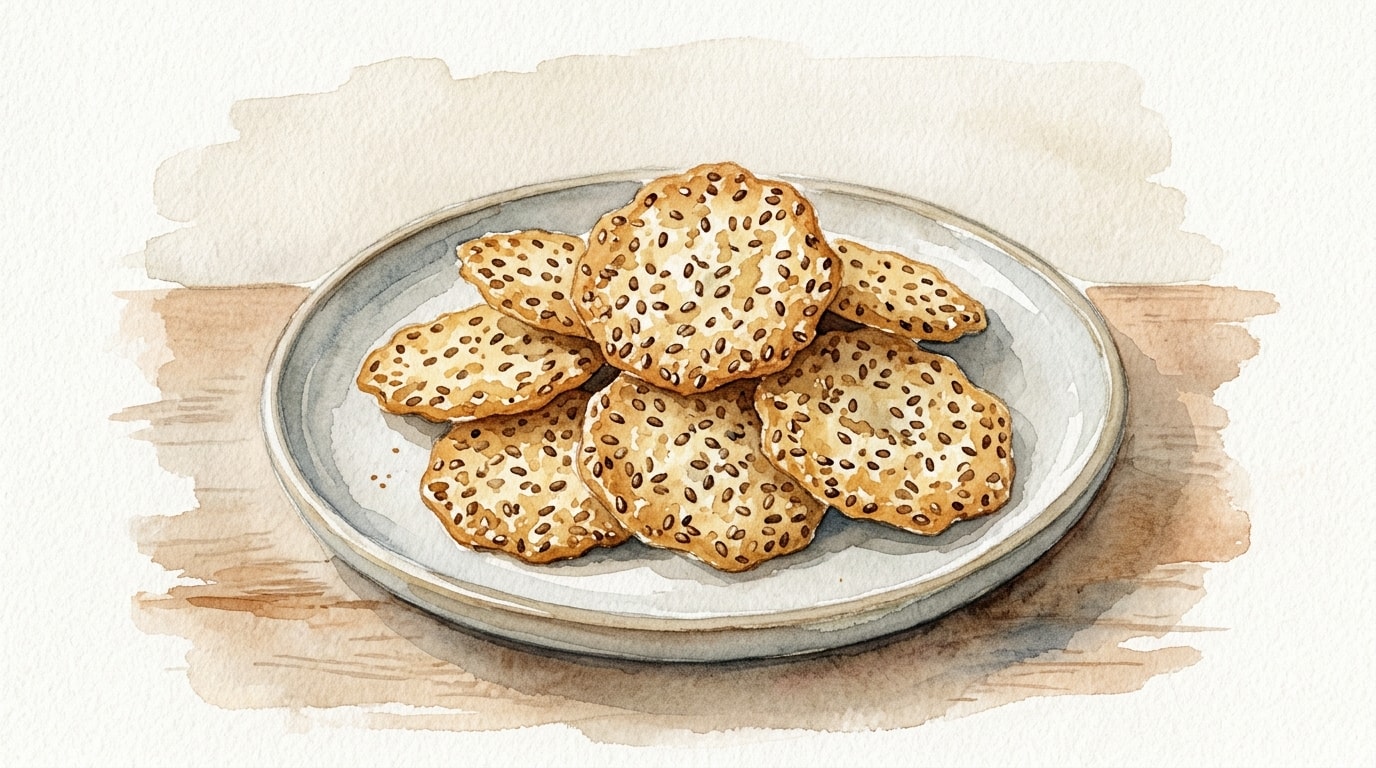
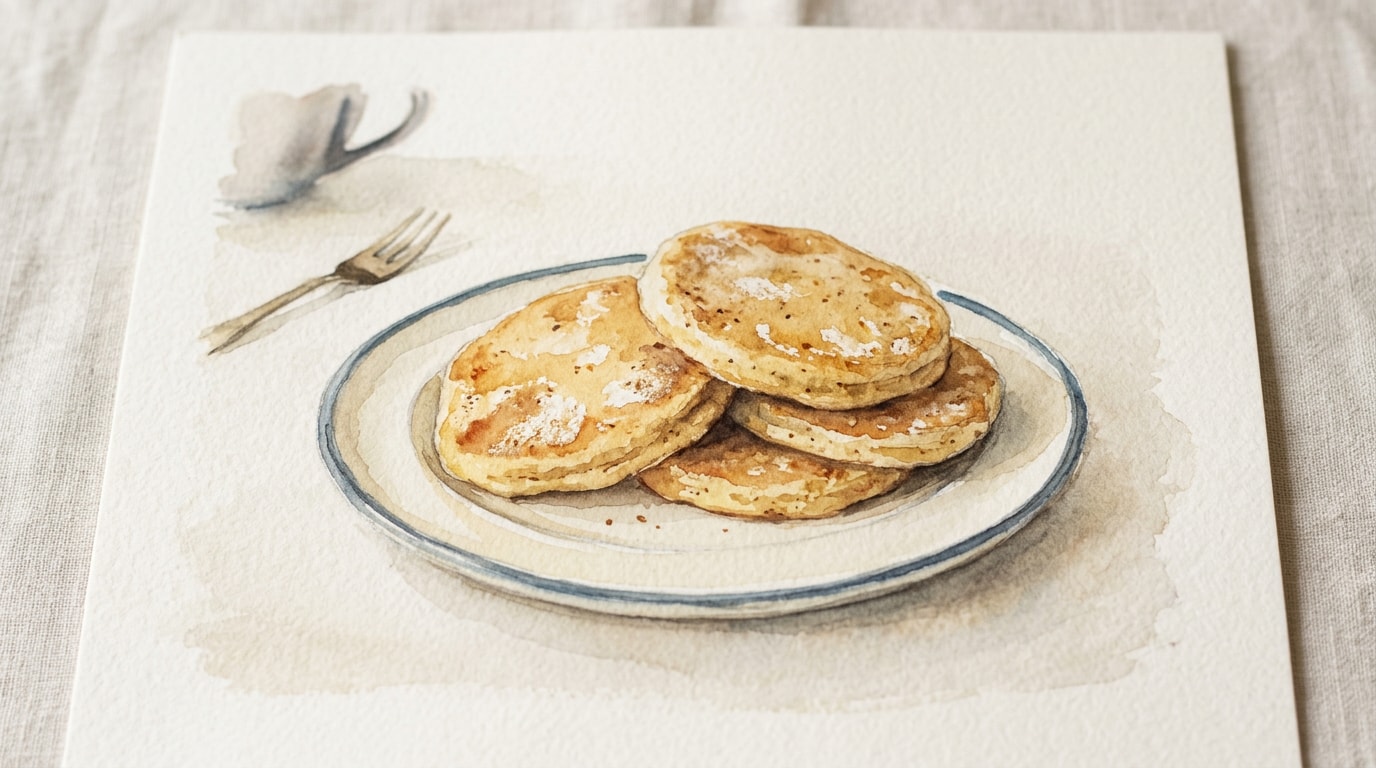
Bake in the preheated oven at 220°C/425°F for 12 to 15 minutes, or until the scones have risen and feature a golden brown crust.
Remove the baking tray from the oven and immediately transfer the scones to a wire cooling rack.
Chef's Notes
- Ensure your leftover mashed potatoes are completely cold before starting; warm potatoes will melt the butter and result in heavy, dense scones.
- Handle the dough as lightly and briefly as possible. Overworking the flour will develop the gluten and yield a tough scone.
- When stamping out the scones, press the cutter straight down without twisting. Twisting smears the dough layers and prevents an even rise.
- These savory scones are excellent served warm with a sharp cheddar cheese, or used to mop up gravy from a roast dinner.
Storage
Refrigerator: 3 days — Store in an airtight container to prevent drying out.
Freezer: 3 months — Freeze after baking. Thaw at room temperature.
Reheating: Warm in a 180°C/350°F oven for 5 minutes to refresh the crust.