Equipment
Ingredients
Dry Ingredients
- 375 g all-purpose flour
- 8 g baking powder
- 4 g baking soda
- 5 g salt
- 6 g ground cinnamon
- 3 g ground ginger
- 2 g ground nutmeg
- 1 g ground cloves
Wet Ingredients
- 225 g unsalted butter, softened to room temperature
- 200 g granulated sugar
- 200 g light brown sugar, firmly packed
- 4 eggs, room temperature
- 15 ml vanilla extract
- 425 g pumpkin puree
Nutrition (per serving)
Method
Preheat the oven to 160°C/320°F. Grease a 9x5-inch loaf pan and line it with parchment paper, leaving an overhang on the long sides for easy removal.
In a medium mixing bowl, thoroughly whisk together the flour, baking powder, baking soda, salt, cinnamon, ginger, nutmeg, and cloves to ensure even spice distribution.
In the bowl of a stand mixer fitted with the paddle attachment, cream the softened butter, granulated sugar, and light brown sugar on medium-high speed until light, fluffy, and visibly aerated.
Reduce the mixer speed to medium-low. Add the room-temperature eggs one at a time, mixing well after each addition until fully incorporated, then stir in the vanilla extract.
Add the pumpkin puree to the wet ingredients and mix on low speed until combined. The mixture may look curdled at this stage; this is normal and will resolve when the flour is added.
Add the dry ingredient mixture in three separate additions, mixing gently on low speed or folding by hand with a spatula just until no dry streaks of flour remain. Do not overmix.
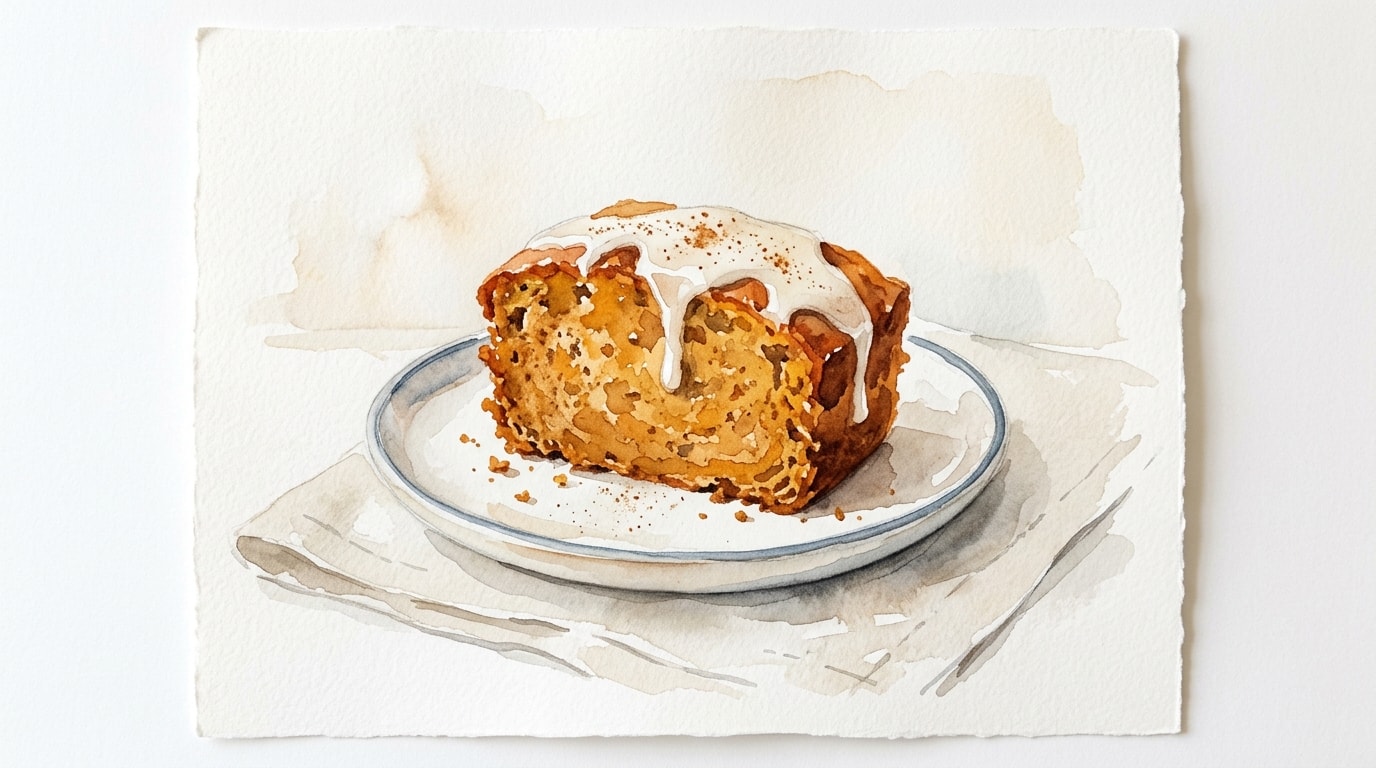
Transfer the thick batter to the prepared loaf pan, smoothing the top with a spatula. Bake in the preheated oven at 160°C/320°F for 65 to 75 minutes.
Remove the pan from the oven and allow the cake to cool in the pan for 15 minutes before using the parchment overhang to lift it onto a wire rack to cool completely before slicing.
Chef's Notes
- To concentrate the flavor and reduce excess moisture, spread the pumpkin puree in a thin layer on a plate and microwave for 3-4 minutes, or cook it briefly in a saucepan, before cooling and using.
- For pound cakes, ingredient temperature is critical. Cold eggs or cold butter will cause the batter to break, preventing the dense but tender crumb you are looking for.
- Baking at a slightly lower temperature (160 Celsius rather than 175) prevents the edges from drying out while giving the dense center adequate time to cook through.
- This cake develops deeper flavors over time. It is highly recommended to wrap the fully cooled cake tightly and wait 24 hours before slicing for the best texture and spice profile.
Storage
Refrigerator: 1 week — Wrap tightly in plastic wrap to prevent drying out.
Freezer: 3 months — Wrap individual slices in plastic wrap, then place in a sealed container.