Equipment
Ingredients
Eggplant Preparation
- 600 g eggplant, cut into 2cm cubes
- 15 g coarse sea salt
- 300 ml neutral frying oil or mild olive oil
Tomato Sauce
- 30 ml extra virgin olive oil
- 3 garlic, smashed and peeled
- 800 g canned whole peeled tomatoes, crushed by hand
- 15 g fresh basil sprigs, whole sprigs for infusing
- fine sea salt
Pasta and Garnish
- 400 g dried spaghetti
- 60 g vegan parmesan or feta alternative, grated or crumbled
- 10 g fresh basil leaves, torn
Nutrition (per serving)
Method
Place the eggplant cubes in a colander set over a bowl or sink. Toss thoroughly with the coarse sea salt. Let sit for at least 45 minutes to draw out bitter liquids and collapse the spongy cell structure of the vegetable.
Briefly rinse the salted eggplant cubes under cold running water to remove excess surface salt. Thoroughly pat them dry using clean kitchen towels or paper towels. Press firmly to extract as much moisture as possible.
In a heavy-bottomed wide skillet, heat the frying oil to 170 C / 340 F. Carefully add the dried eggplant cubes in batches, ensuring not to overcrowd the pan. Fry for 5 to 7 minutes per batch, turning occasionally until deep golden brown on all sides.
Use a spider skimmer to transfer the fried eggplant to a plate lined with multiple layers of paper towels to drain excess oil. Set aside.
In a separate saucepan, warm the extra virgin olive oil over medium heat. Add the smashed garlic cloves and gently saute for 2 to 3 minutes until aromatic and lightly golden. Be careful not to let the garlic brown heavily, which will introduce bitterness.
Pour the hand-crushed tomatoes into the saucepan. Add the whole basil sprigs and a pinch of fine sea salt. Bring to a gentle bubble, then lower the heat and simmer for 20 minutes until the sauce reduces, thickens, and the oil slightly separates on the surface.
While the sauce simmers, bring a large pot of heavily salted water to a rolling boil. Add the spaghetti and boil according to package instructions until strictly al dente.
Remove the basil sprigs and garlic from the tomato sauce. Drain the pasta, reserving 100ml of the starchy cooking water. Add the spaghetti directly into the simmering tomato sauce. Toss vigorously using tongs over medium heat for 1 minute, adding splashes of pasta water as needed until the sauce emulsifies and coats the noodles perfectly.
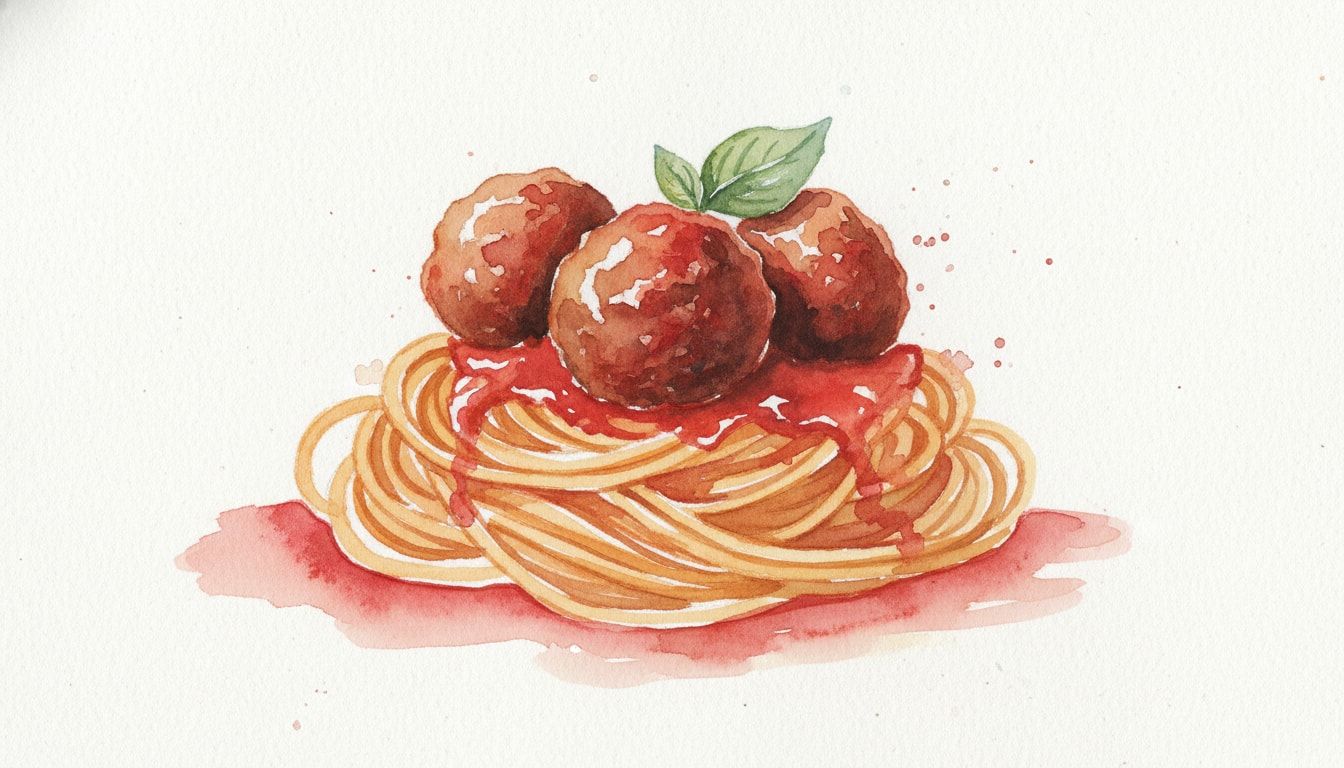
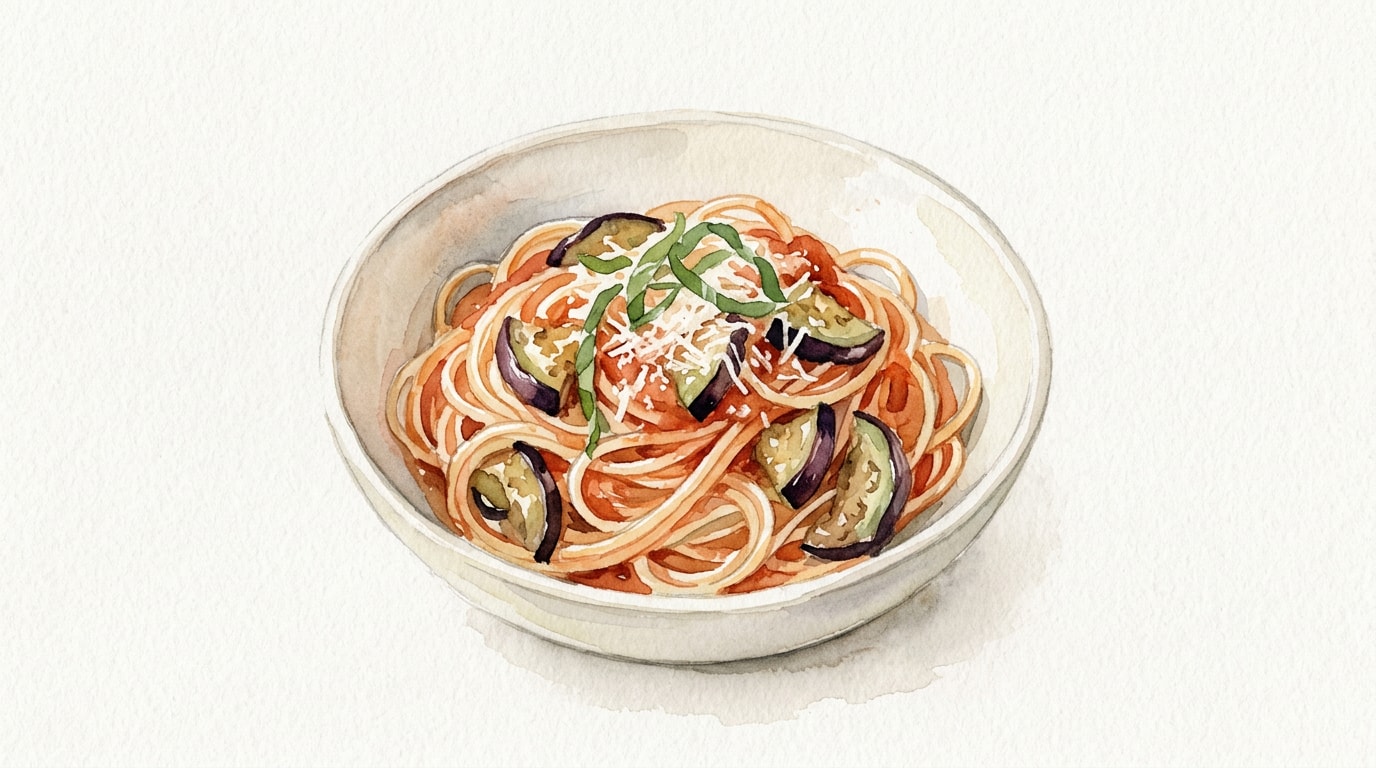
Divide the coated pasta among warm serving bowls. Top generously with the crispy fried eggplant cubes, freshly torn basil leaves, and a heavy grating of vegan cheese alternative.
Chef's Notes
- The salting process for eggplant is non-negotiable for deep frying. Eggplant acts like a sponge due to microscopic air pockets in its flesh. Salting draws out water, which fills those pockets and collapses the structure, physically blocking oil from rushing in.
- Crushing whole peeled tomatoes by hand creates a rustic, uneven texture that clings beautifully to long pasta strands, unlike machine-pureed passata which can slide right off.
- Finishing the pasta directly in the sauce over heat allows the starches from the pasta to release into the tomatoes, creating a cohesive, velvety emulsion rather than just 'sauce sitting on top of noodles'.
- Selecting the right vegan cheese is important. Look for a vegan feta or a block-style aged vegan parmesan that offers a sharp, salty bite to mimic the traditional ricotta salata.
Storage
Refrigerator: 3 days — Store pasta and sauce together, but keep leftover fried eggplant in a separate container to maintain whatever crispness remains.
Freezer: 1 month — Sauce freezes well. Do not freeze the fried eggplant or cooked pasta.
Reheating: Reheat pasta and sauce gently in a pan with a splash of water. Reheat eggplant in an oven or air fryer at 180C/350F until crispy again.