Equipment
Ingredients
Lamb
- 1000 g boneless lamb shoulder, cut into 5cm pieces
- 15 g kosher salt
- 5 g black pepper, freshly ground
- 30 ml olive oil
Aromatics
- yellow onion, finely diced
- carrot, finely diced
- celery stalk, finely diced
- 4 garlic cloves, minced
- 30 g tomato paste
Braising Liquids
- 250 ml dry red wine
- 800 g crushed tomatoes
- 250 ml beef stock
- 2 fresh rosemary sprigs
- 2 dried bay leaves
Pasta and Finishing
- 500 g dried pappardelle pasta
- 50 g parmesan cheese, freshly grated
- 15 g fresh parsley, finely chopped
Nutrition (per serving)
Method
Preheat the oven to 160°C/320°F.
Season the pieces of lamb shoulder evenly with kosher salt and black pepper. Wash your hands thoroughly after handling the raw meat to prevent cross-contamination.
Heat the olive oil in a Dutch oven over medium-high heat. Sear the lamb pieces in batches using tongs, turning until deeply browned on all sides, then transfer to a plate.
Reduce the heat to medium. Add the diced yellow onion, carrot, and celery to the Dutch oven. Saute using a wooden spoon to scrape up the browned bits from the lamb, cooking until the vegetables are softened.
Stir in the minced garlic and tomato paste. Cook, stirring constantly, until the tomato paste darkens to a brick red color and becomes highly aromatic.
Pour in the dry red wine to deglaze the pot. Simmer while scraping the bottom of the pot with the wooden spoon, continuing until the liquid has reduced by half.
Return the seared lamb and any accumulated resting juices to the pot. Pour in the crushed tomatoes and beef stock, then add the rosemary sprigs and bay leaves. Bring the mixture to a gentle simmer.
Cover the Dutch oven with its lid and transfer to the preheated oven. Braise for 2 hours and 30 minutes, or until the lamb reaches a safe internal temperature of 74°C/165°F and yields easily to a fork.
Carefully remove the pot from the oven. Discard the rosemary stems and bay leaves. Using two forks, shred the tender lamb directly into the sauce. Skim any excess liquid fat resting on the surface.
Bring a large pot of generously salted water to a rolling boil. Cook the pappardelle pasta according to package instructions until al dente.
Carefully scoop out and reserve a mug of the starchy pasta cooking water, then pour the pasta into a colander to drain.
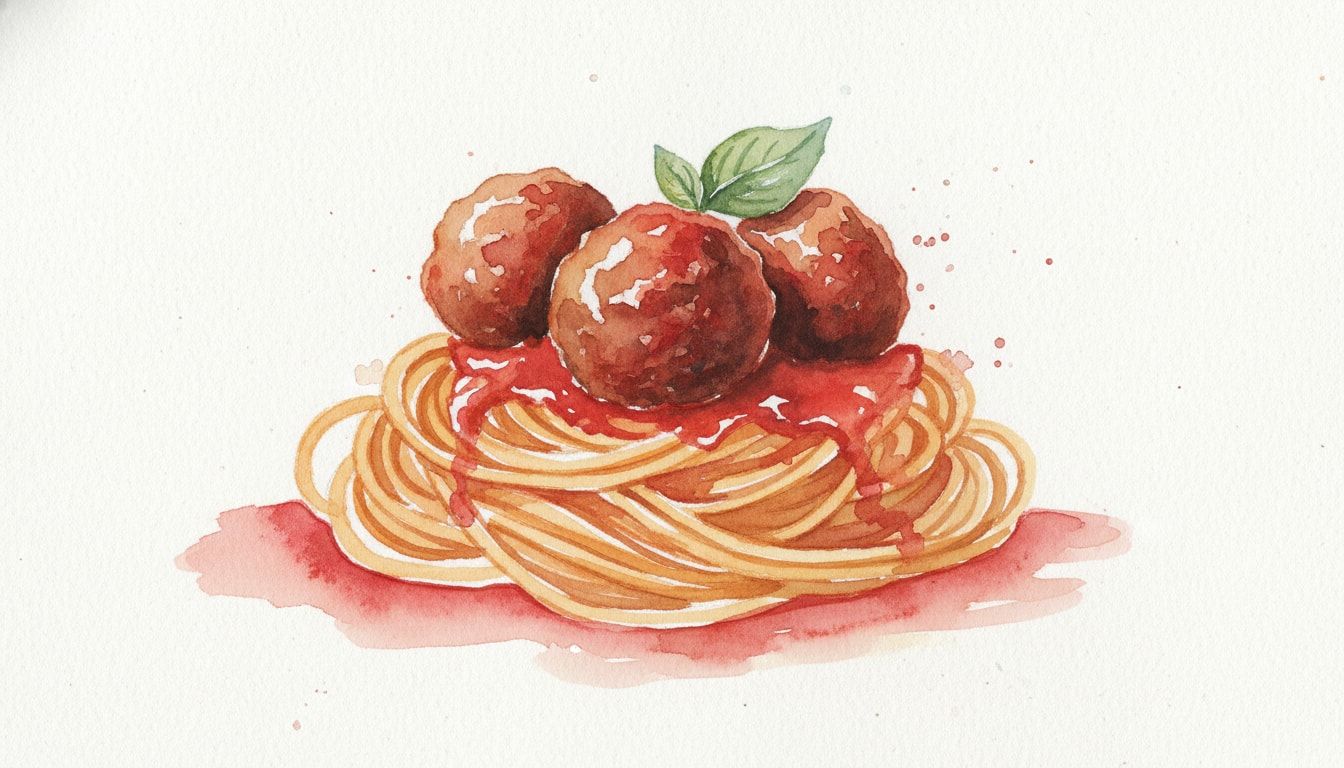
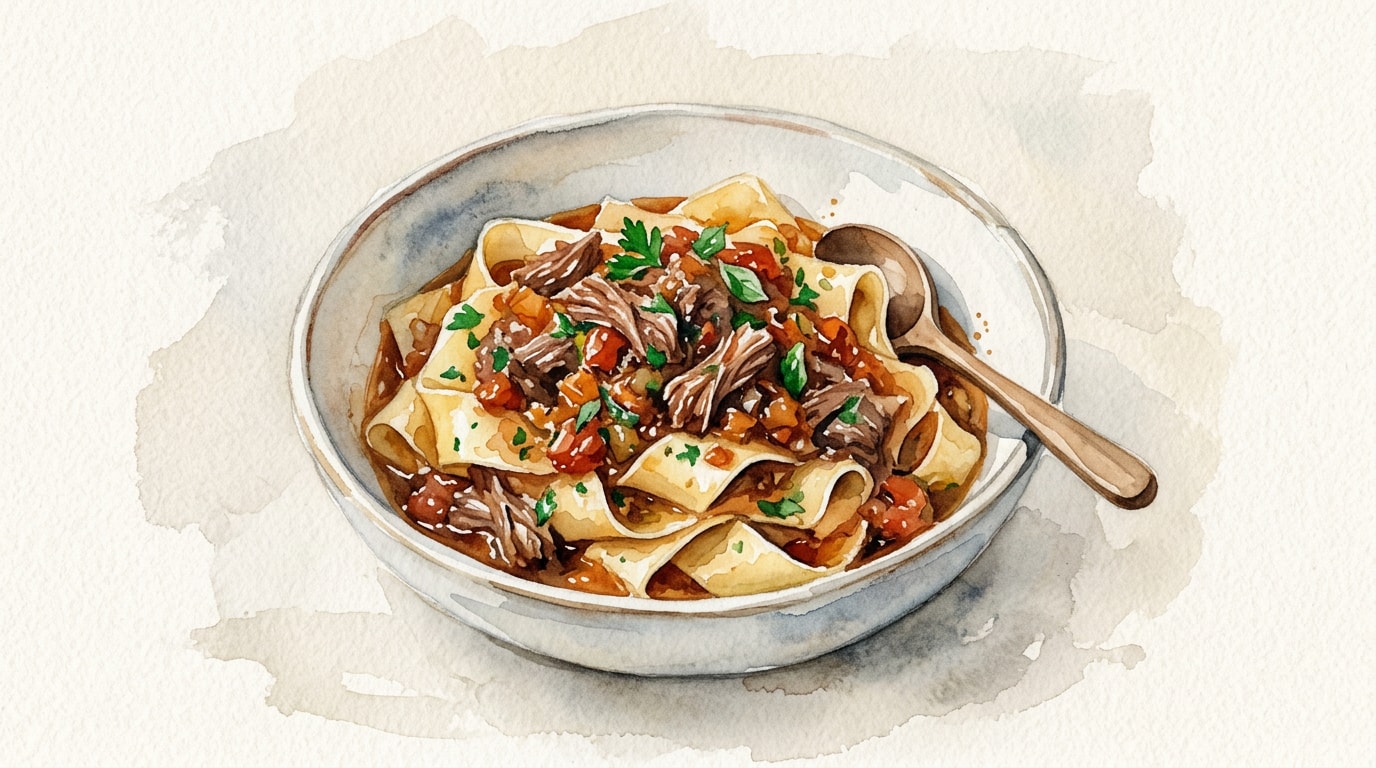
Transfer the drained pappardelle directly into the pot with the hot lamb ragu. Toss vigorously to combine, adding small splashes of the reserved pasta water as needed to create a glossy emulsion that clings to the noodles.
Divide the coated pasta among warm serving bowls. Garnish generously with freshly grated parmesan cheese and finely chopped parsley.
Chef's Notes
- Choosing the right wine: Use a dry, high-acid Italian red like Sangiovese or Nebbiolo to balance the inherently rich, fatty profile of lamb shoulder.
- The pasta water emulsion: Tossing the pappardelle with a splash of starchy pasta water in the final stage is critical. It forces the fats and liquids to emulsify, creating a cohesive, glossy sauce that clings to every noodle rather than pooling at the bottom of the bowl.
- Resting the ragu: Like most meat braises, this ragu tastes exponentially better the next day after the flavors have had time to meld in the refrigerator.
- Browning builds the base: Do not rush the initial searing of the lamb or the caramelization of the tomato paste. These steps lay the foundational layers of savory umami that define an authentic Italian ragu.
Storage
Refrigerator: 4 days — Store in an airtight container. The sauce flavor deepens after resting overnight.
Freezer: 3 months — Freeze the ragu sauce only. Cook fresh pasta when ready to serve.
Reheating: Gently reheat the ragu in a saucepan over medium-low heat until simmering. Toss with freshly cooked pasta.