Equipment
Ingredients
Aromatics and Base
- 30 ml olive oil
- 400 g yellow onion, finely diced
- 15 g garlic, minced
- 3 g sichuan peppercorns, toasted and finely ground
Meat and Flavorings
- 500 g ground pork
- 45 g gochujang
- 30 g tomato paste
Liquids and Additions
- 120 ml shaoxing wine
- 400 ml chicken stock
- 15 ml light soy sauce
- 150 g lacinato kale, destemmed and chopped
Pasta
- 400 g dried rigatoni pasta
Nutrition (per serving)
Method
Heat the olive oil in a Dutch oven over medium heat. Add the diced onions and cook until they are deeply caramelized and sweet, about 20 minutes. Stir frequently to prevent burning.
Add the ground pork to the caramelized onions. Wash your hands thoroughly after handling the raw meat to prevent cross-contamination. Cook, breaking the meat apart with a wooden spoon, until it is thoroughly browned and the internal temperature reaches 74°C/165°F.
Stir in the minced garlic, gochujang, tomato paste, and ground Sichuan peppercorns. Cook continuously to toast the pastes until they darken slightly and become highly aromatic.
Pour in the Shaoxing wine to deglaze the pot, vigorously scraping up any browned bits stuck to the bottom. Let the liquid bubble until it has almost completely evaporated.
Pour in the chicken stock and light soy sauce. Bring to a gentle simmer, then reduce the heat to low, cover the pot, and let it simmer slowly to tenderize the pork and meld the flavors.
About 15 minutes before the ragu is finished, bring a large pot of salted water to a rolling boil at 100°C/212°F. Cook the rigatoni according to the package directions until al dente.
Remove the lid from the ragu and fold in the chopped lacinato kale. Cook gently until the greens are completely wilted and tender.
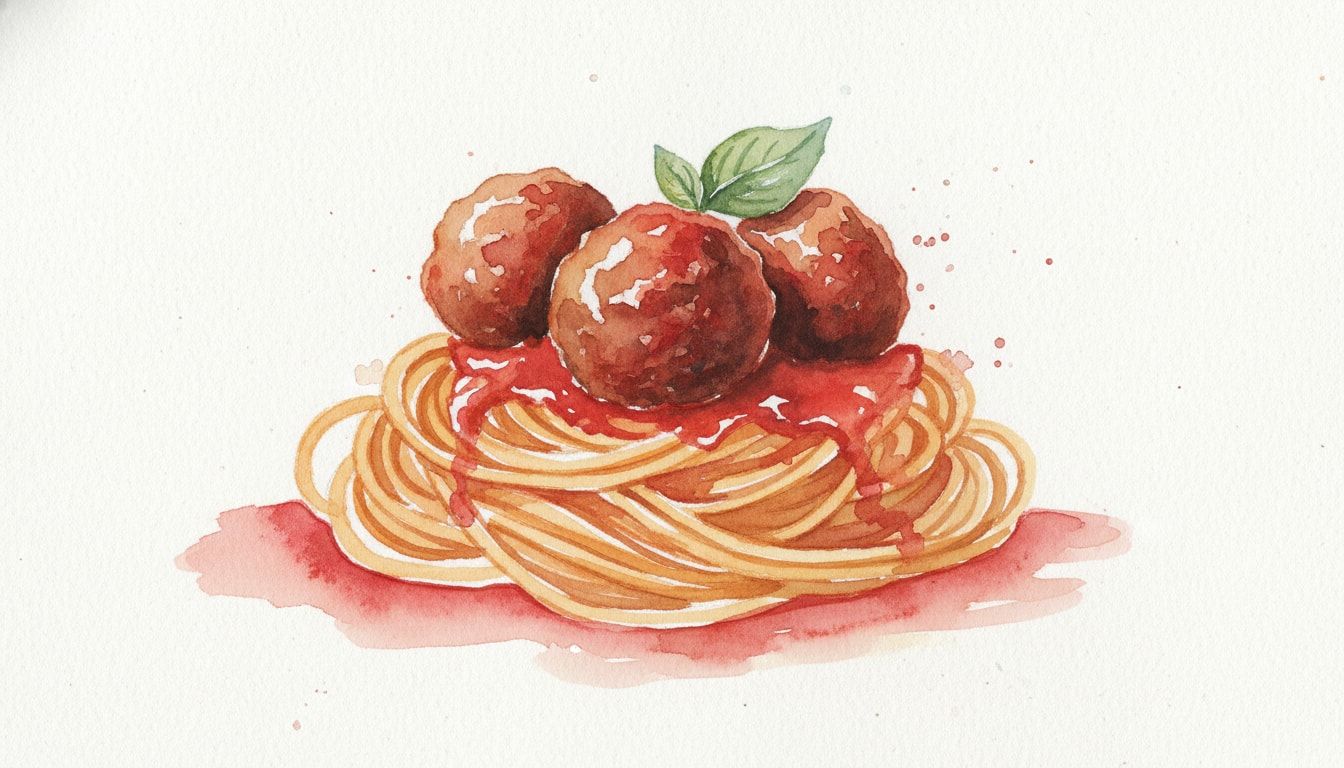
Drain the pasta, reserving a small amount of the cooking water. Transfer the pasta directly into the Dutch oven with the ragu. Toss vigorously to coat the noodles, adding a splash of the starchy pasta water if the sauce needs loosening.
Chef's Notes
- Patience during the onion caramelization stage is critical. The natural sweetness of the onions forms a necessary bridge between the acidic tomato paste and the fermented heat of the gochujang.
- For the best flavor, toast whole Sichuan peppercorns in a dry skillet until fragrant, then grind them fresh using a mortar and pestle or spice grinder just before adding them to the pot.
- Pork shoulder freshly ground with a 20 percent fat ratio provides the ideal rich texture for this fusion ragu without becoming excessively greasy.
- If your gochujang is particularly thick or dry, whisk it with a splash of warm chicken stock in a small bowl before adding it to the pot to ensure it distributes evenly without clumping.
Storage
Refrigerator: 4 days — Store the ragu and pasta separately if possible to prevent the pasta from absorbing all the liquid.
Freezer: 3 months — Freeze the ragu sauce only. Do not freeze the cooked pasta or kale.
Reheating: Reheat gently in a saucepan over medium-low heat, adding a splash of chicken stock to loosen the sauce.