Equipment
Ingredients
Main
- 907 g pheasant, cleaned, cut into serving pieces
- 2 g salt
- 1 g black pepper, freshly ground
- 30 g unsalted butter
- 2 garlic, peeled
- 1 bay leaf
- 6 g thyme
- 180 ml dry white wine
Sauce and Garnish
- 45 g unsalted butter, cold
- 6 g parsley, finely chopped
Nutrition (per serving)
Method
Season all pheasant pieces evenly with salt and pepper.
Melt 30g of butter in a skillet over medium-high heat until foaming.
Place pheasant pieces in the skillet skin-side down and sear for 3 minutes until the skin is golden brown.
Flip the pheasant pieces and sear the other side for an additional 3 minutes.
Add the garlic cloves, bay leaf, thyme sprigs, and white wine to the skillet.
Cover the skillet with a lid and simmer for 20 minutes until the pheasant is tender and reaches an internal temperature of 74°C/165°F.
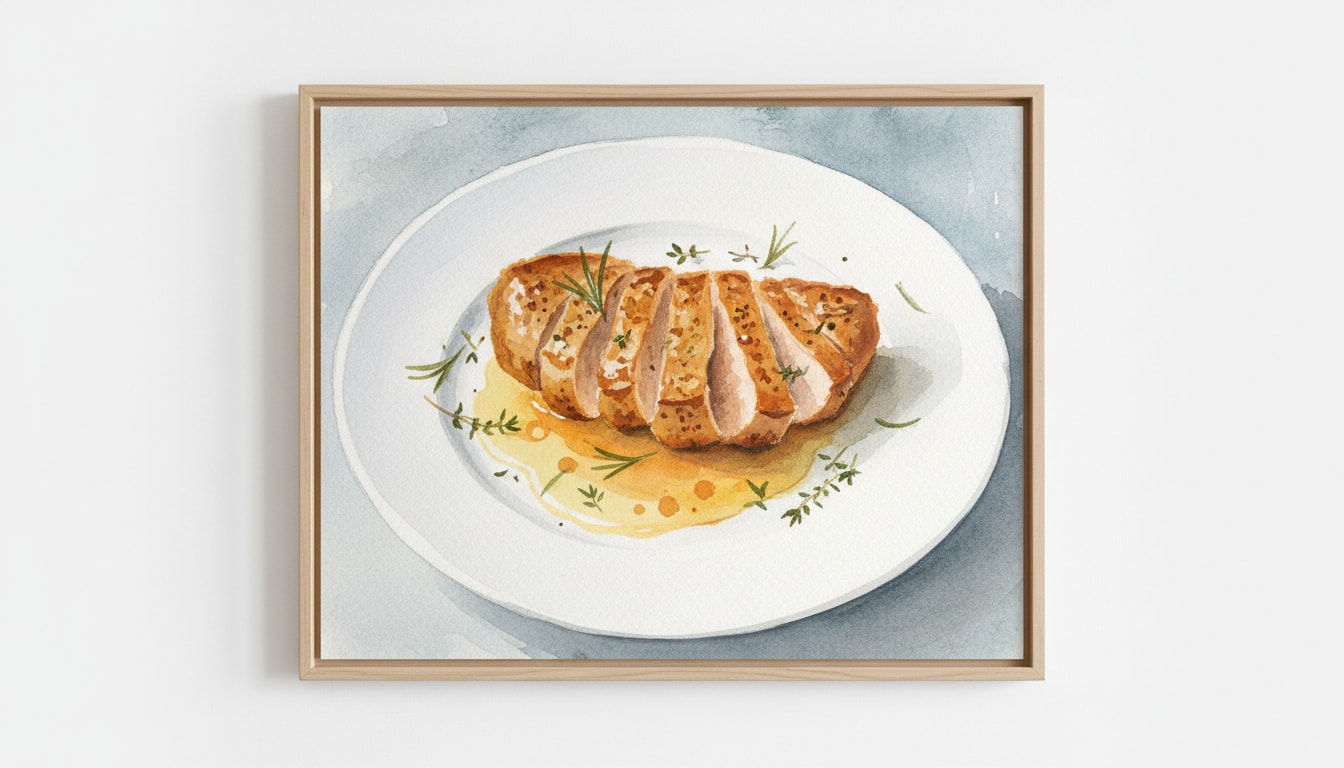
Transfer the pheasant pieces from the skillet to a serving dish.
Whisk the remaining 45g of cold butter into the simmering pan liquid until the sauce is thick and glossy.
Pour the sauce over the pheasant and garnish with chopped parsley.
Chef's Notes
- Ensure your pheasant pieces are roughly the same size for even cooking. If you're breaking down a whole bird, consider the breast, thighs, and legs as separate cooking elements.
- Don't overcrowd the pan when searing. Cook the pheasant in batches if necessary to achieve a beautiful golden-brown crust, which adds significant flavor.
- The final butter addition to the sauce, known as 'monter au beurre,' is crucial for achieving a glossy, emulsified finish. Use cold butter and whisk vigorously.
- Taste and adjust seasoning throughout the sauce-making process. The reduction of the wine and pan juices will concentrate flavors, so a final check for salt and pepper is essential.
- For an even richer sauce, you can deglaze the pan with a splash of brandy before adding the white wine.
Storage
Refrigerator: 3 days — Store in an airtight container with the sauce.
Freezer: 2 months — Sauce texture may change slightly upon thawing.
Reheating: Gently warm in a covered skillet over low heat with a splash of water or stock.