Equipment
Ingredients
Main Components
- 10 g salt, fine
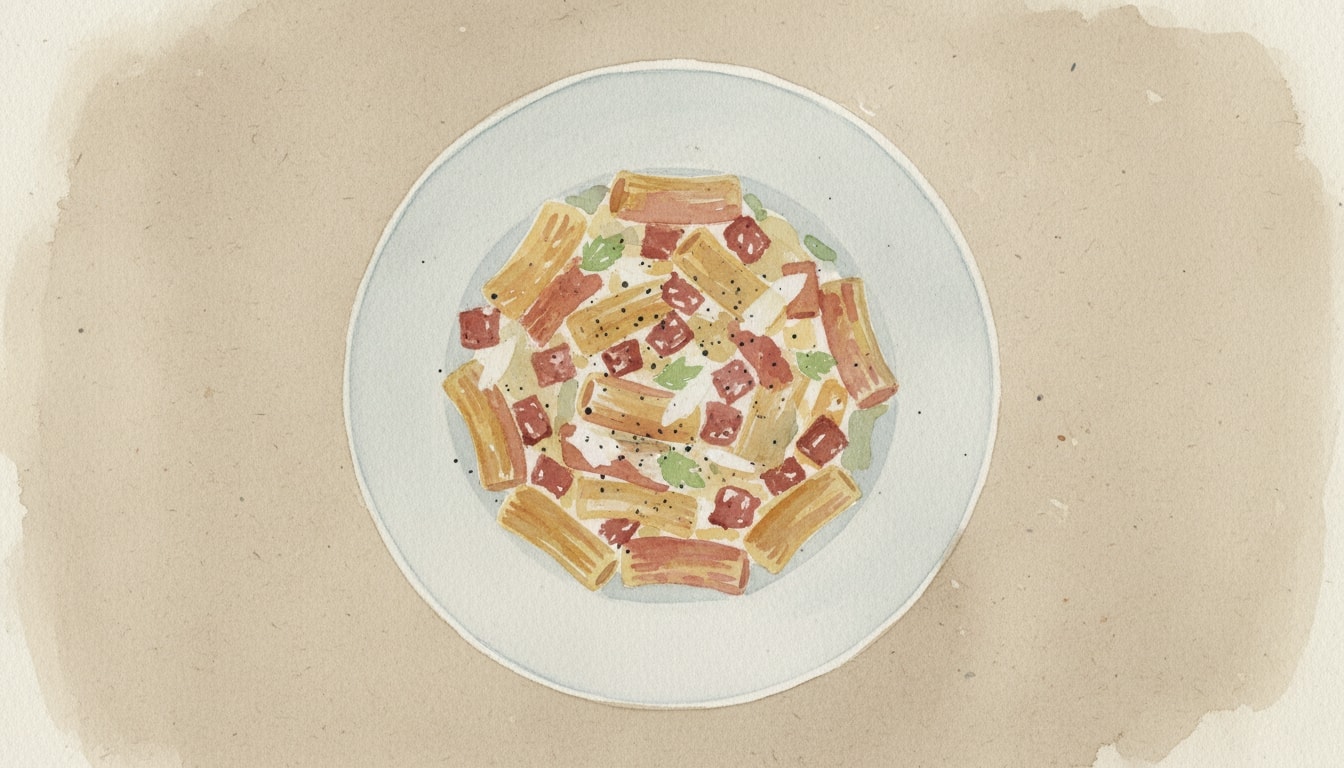
- 450 g pasta
- 15 ml olive oil
- 170 g salami, coarsely chopped
- 6 g black pepper, coarsely ground
- 55 g pecorino cheese, finely grated
- 55 g parmesan cheese, finely grated
Nutrition (per serving)
Method
Boil a large pot of salted water.
Cook the pasta in the boiling water until al dente according to package directions.
Reserve 475ml (2 cups) of the starchy pasta water before draining the pasta in a colander.
Combine olive oil and chopped salami in a large skillet over medium-low heat (150°C/300°F).
Sauté the salami, stirring occasionally, until the fat renders and the meat is crisp and golden, about 7 to 10 minutes.
Add the ground black pepper to the skillet and stir until fragrant.
Pour 355ml (1.5 cups) of the reserved pasta water into the skillet and remove from heat.
Simmer the mixture over medium-low heat (150°C/300°F), shaking the pan until the fat and water emulsify into a uniform liquid.
Add the drained pasta and both grated cheeses to the skillet.
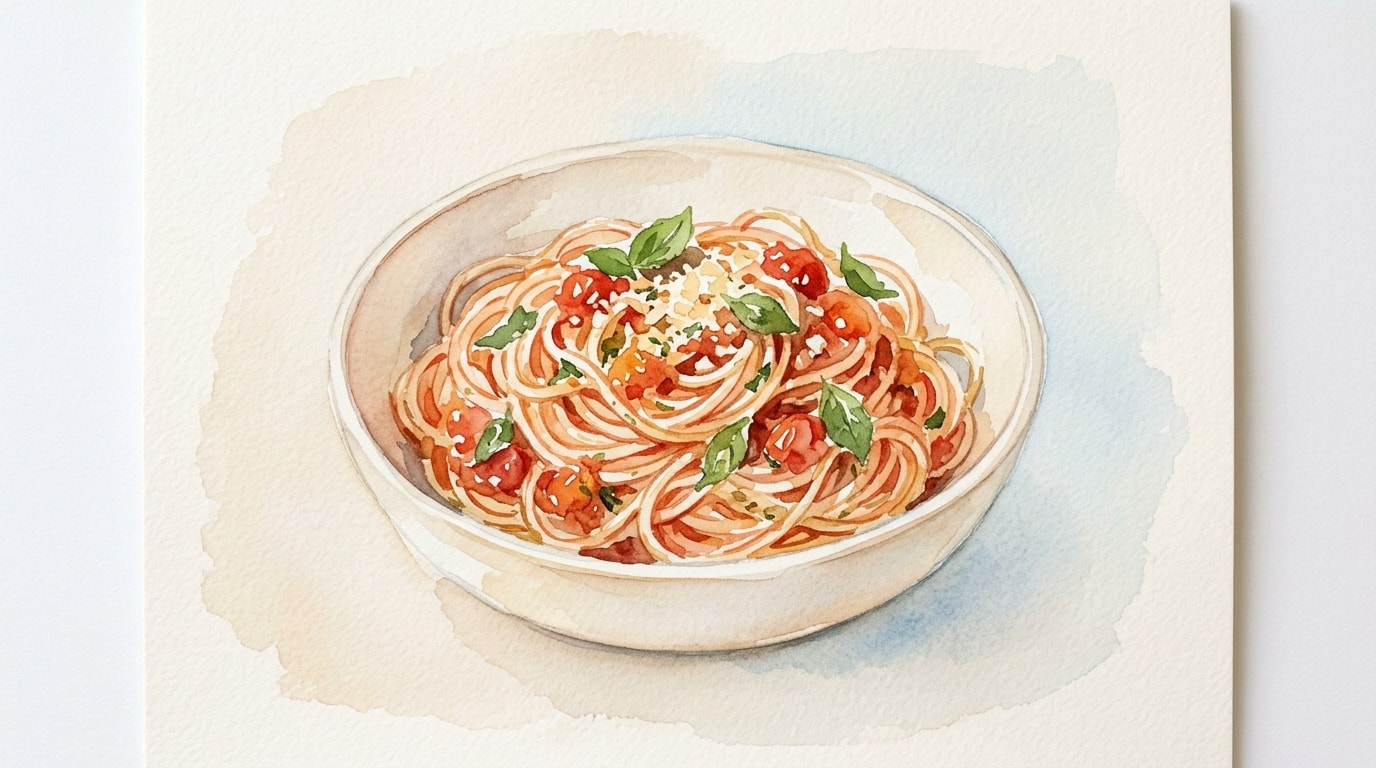
Stir vigorously over medium-low heat (150°C/300°F) until the cheese melts and creates a glossy sauce that coats the noodles.
Serve the pasta immediately, garnished with additional grated cheese if desired.
Chef's Notes
- Use high-quality, fatty salami for the best flavor and rendered fat. Guanciale is traditional for Gricia, but a good quality, slightly fatty salami works well here.
- Don't rush the rendering of the salami. Low and slow heat is key to drawing out the fat and achieving crispiness without burning.
- The emulsification of the fat and pasta water is crucial. Shaking the pan helps create a creamy, cohesive sauce rather than a greasy one.
- Grate your cheeses finely and add them off the direct heat initially to prevent clumping. The residual heat will melt them into a smooth sauce.
- Taste and adjust seasoning before serving. Pecorino Romano is salty, so you might not need additional salt beyond the pasta water.
Storage
Refrigerator: 3 days — Store in an airtight container.
Reheating: Reheat in a pan over medium heat with a splash of water to restore the sauce's emulsion.