Equipment
Ingredients
Rice Preparation
- 400 g basmati rice, rinsed thoroughly until water runs clear
- 2000 ml water
- 15 g salt
- 4 green cardamom pods, lightly crushed
- 4 whole cloves
- 1 cinnamon stick
Plant-Based Meatballs
- 400 g plant-based ground meat alternative, thawed if frozen
- 30 g chickpea flour, roasted lightly
- 15 g ginger-garlic paste
- 5 g garam masala
- 3 g salt
- 45 ml vegetable oil
Biryani Masala Base
- 45 ml ghee or vegetable oil
- 300 g yellow onions, finely sliced
- 150 g tomatoes, diced
- 15 g ginger-garlic paste
- 120 g plain yogurt, whisked until smooth
- 10 g biryani masala powder
- 3 g turmeric powder
- 5 g red chili powder
- 15 g fresh mint leaves, roughly chopped
- 15 g fresh cilantro leaves, roughly chopped
Saffron Milk and Garnish
- 60 ml whole milk, warm
- saffron threads
- 15 ml rose water
Nutrition (per serving)
Method
Measure and thoroughly wash the basmati rice until the water runs clear. Soak the rice in cool water for 30 minutes to ensure the grains lengthen and remain separate when cooked.
Mix the saffron threads into the warm milk. Set aside to steep, allowing the saffron to release its golden color and delicate flavor.
In a large mixing bowl, combine the plant-based ground meat, chickpea flour, ginger-garlic paste, garam masala, and salt. Mix thoroughly until the spices are evenly distributed.
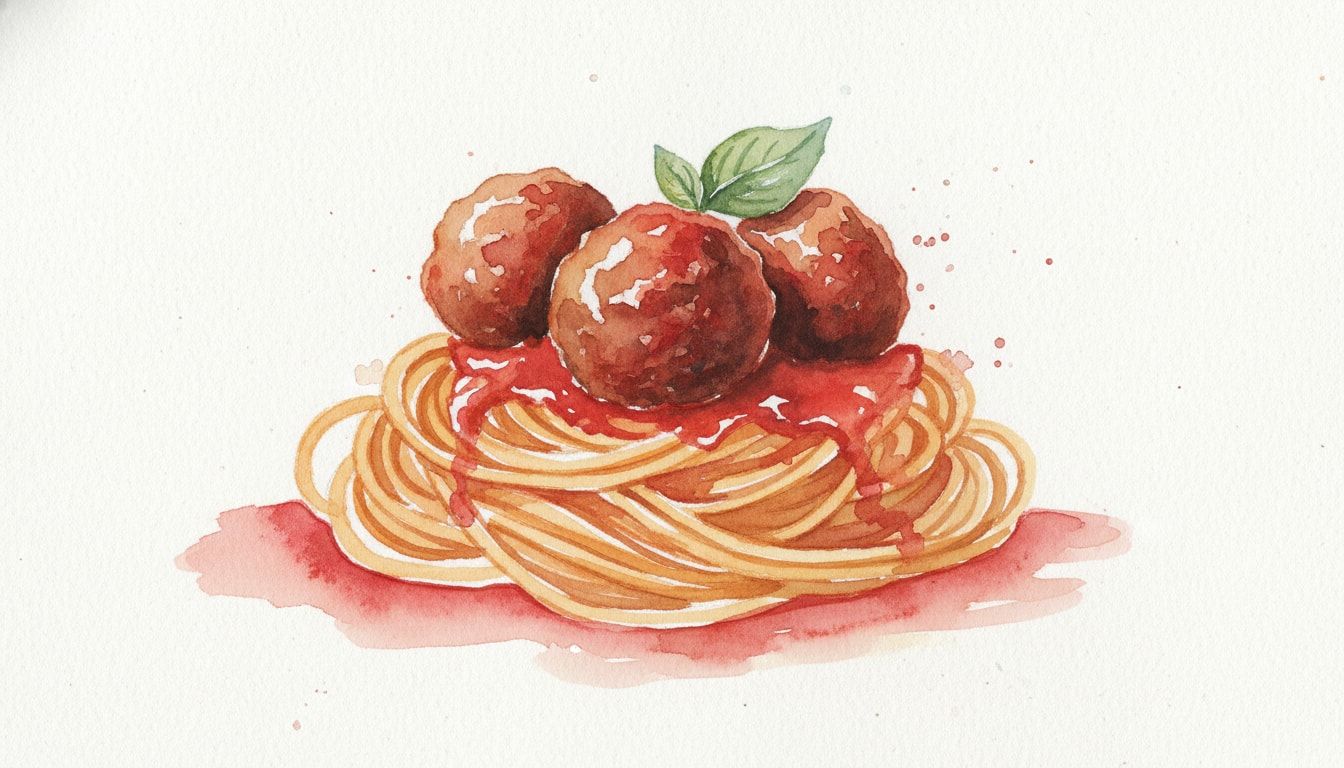
Shape the meat mixture into firm, golf-ball sized rounds, yielding approximately 12 to 15 meatballs. Lightly oil your hands if the mixture is sticky.
Heat vegetable oil in a frying pan over medium heat. Fry the meatballs for 8 to 10 minutes, turning occasionally until browned on all sides. Ensure the plant-based proteins reach an internal temperature of 74C/165F for food safety. Remove from heat and set aside.
In a heavy-bottomed Dutch oven, heat the ghee or oil over medium heat. Add the sliced onions and caramelize slowly for 15 minutes until deep golden brown. Remove half of the onions to use later as garnish.
To the remaining onions in the Dutch oven, add the ginger-garlic paste and diced tomatoes. Saute for 5 minutes until the tomatoes soften. Lower the heat and stir in the whisked yogurt, biryani masala, turmeric, and red chili powder. Cook until the oil begins to separate from the masala base.
In a separate large pot, bring 2000ml of water to a rolling boil. Add the salt, cardamom pods, whole cloves, and cinnamon stick. Boil the soaked rice for 5 to 6 minutes until it is exactly 70 percent cooked. The grains should break easily but still retain a firm, opaque white core.
Drain the partially cooked rice immediately using a strainer to stop the boiling process. Do not rinse the rice.
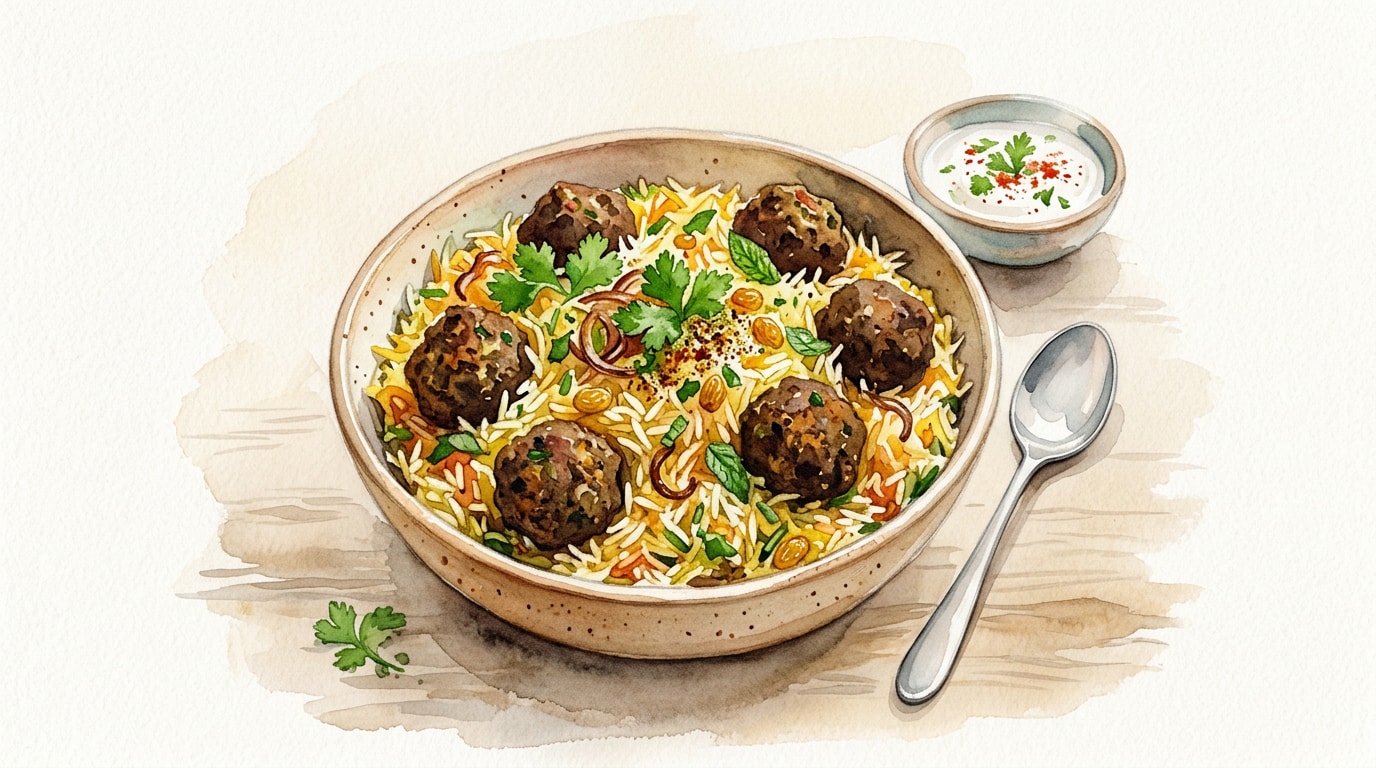
Place the fried meatballs into the masala base in the Dutch oven. Gently spread the hot, drained rice in an even layer over the meatballs and masala. Drizzle the steeped saffron milk and optional rose water evenly over the rice. Scatter the reserved caramelized onions, chopped mint, and cilantro on top.
Cover the Dutch oven tightly with a lid. Steam the biryani over the lowest possible heat for 20 minutes to complete the dum cooking process, allowing the rice to absorb the aromatic steam from the layers below.
Turn off the heat and let the biryani rest undisturbed for 10 minutes. Gently fluff the rice with a wide spatula or fork before serving to avoid breaking the grains.
Chef's Notes
- Washing the basmati rice meticulously until the water runs clear removes excess surface starch, which is the primary secret to achieving perfectly separate, fluffy grains.
- The process of dum cooking (steaming under a tight seal) allows the parboiled rice to gently absorb the flavorful steam from the wet masala below, finishing the cooking process perfectly.
- Do not rush caramelizing the onions. Cooking them low and slow draws out their natural sweetness without turning them bitter.
- Plant-based ground meat can be stickier than traditional meat. Lightly oil your hands before shaping the koftas to ensure a smooth, uniform exterior.
- If your pot lid does not fit tightly, you can seal the edges with aluminum foil or a simple dough ring to trap the steam effectively during the dum phase.
Storage
Refrigerator: 4 days — Store in an airtight container. The flavors will deepen overnight.
Freezer: 1 month — Freeze in individual portions. Texture of the plant-based koftas may slightly alter.
Reheating: Microwave covered with a splash of water to generate steam, or reheat gently in a covered pan on the stovetop.