Equipment
Ingredients
Salmon
- 600 g salmon fillet, cut into 4 equal portions, skin-on
- 15 ml neutral oil, such as grapeseed or canola
- sea salt
- black pepper, freshly ground
Sorrel Sauce
- 30 g unsalted butter
- 30 g shallot, finely minced
- 60 ml dry white wine
- 150 ml heavy cream, at least 35 percent milk fat
- 80 g fresh sorrel leaves, stems removed, cut into thin ribbons
Nutrition (per serving)
Method
Pat the salmon fillets completely dry with paper towels. Moisture on the surface will cause steaming instead of searing, preventing a crisp skin.
Season the salmon fillets generously on both sides with sea salt and black pepper immediately before cooking.
Heat neutral oil in a large skillet over medium-high heat until shimmering. Carefully lay the salmon fillets skin-side down. Press down gently with a fish spatula for the first 10 seconds to prevent the skin from buckling.
Cook undisturbed for 4 minutes until the skin is deeply browned and crisp. Flip the salmon and cook for another 1 to 2 minutes until the internal temperature reaches 50°C (120°F) for medium-rare.
Transfer the cooked salmon to a warm plate to rest while you finish the sauce.
In a small saucepan, melt the unsalted butter over medium-low heat. Add the minced shallot and cook gently until translucent and fragrant, about 2 minutes.
Pour the dry white wine into the saucepan to deglaze. Increase the heat to medium and reduce the liquid until only a tablespoon remains.
Pour in the heavy cream and simmer gently for 3 to 4 minutes. Stir occasionally until the sauce thickens enough to lightly coat the back of a spoon.
Remove the saucepan from the heat. Immediately fold in the ribbons of fresh sorrel. The residual heat will melt the leaves into the sauce in seconds. Taste and adjust seasoning with salt if necessary.
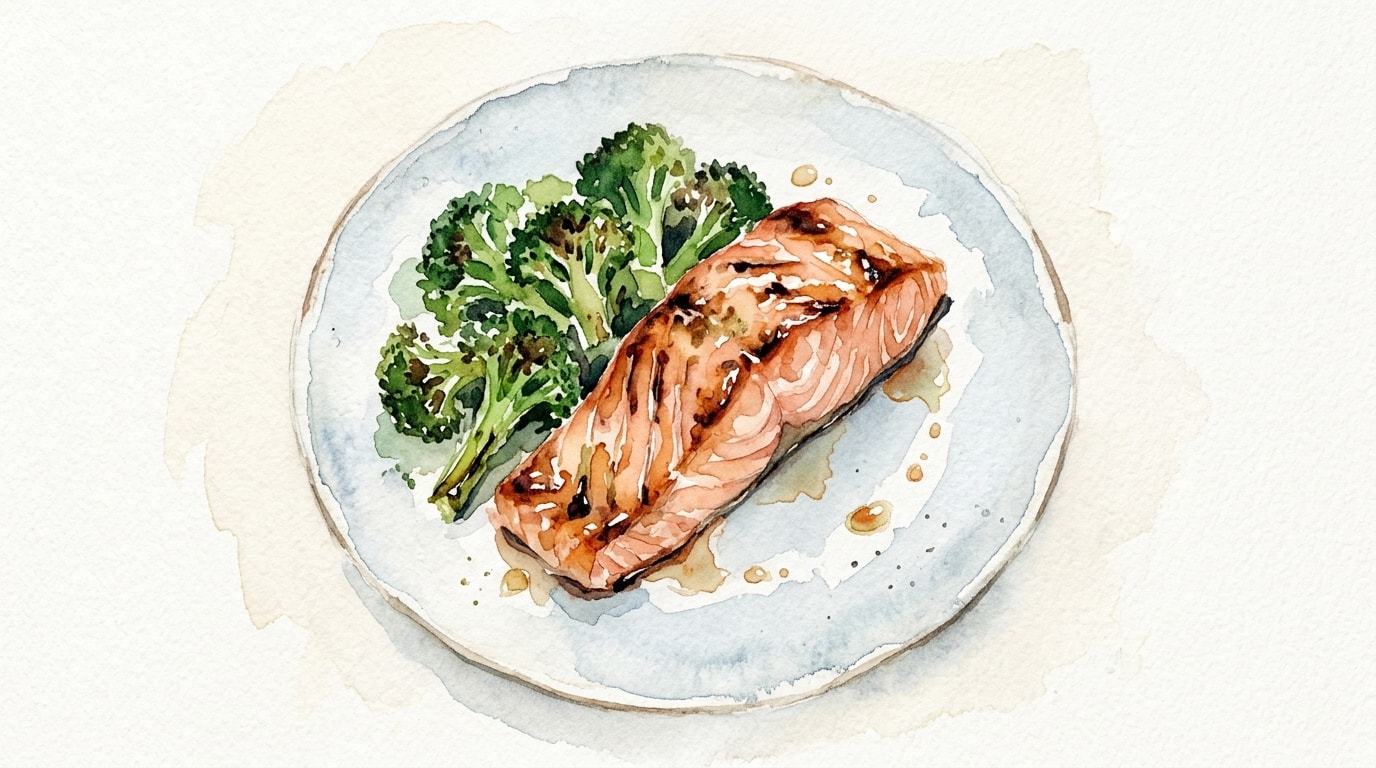
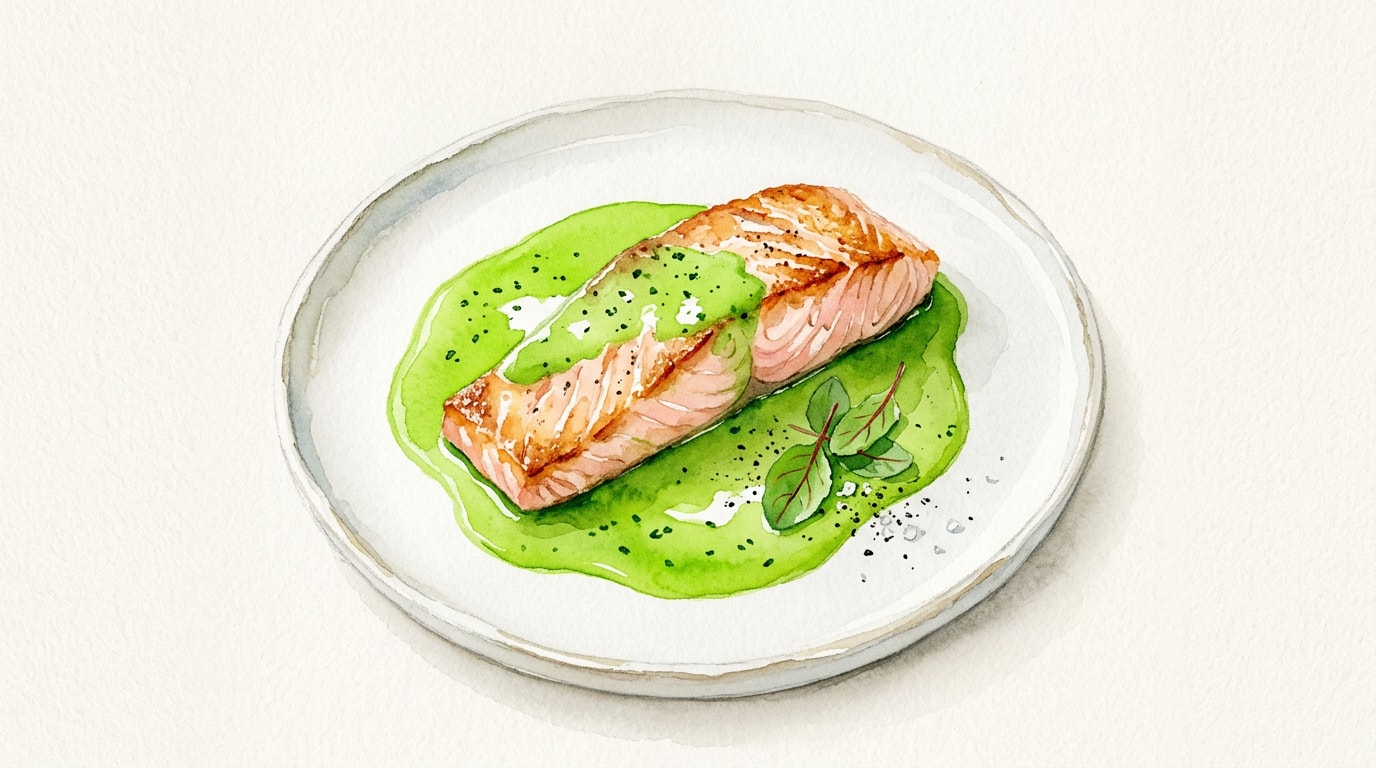
Pool the warm sorrel sauce in the center of four warmed dining plates. Place a rested salmon fillet on top of each pool, skin-side up to maintain its crispness. Serve immediately.
Chef's Notes
- Sorrel is highly acidic due to naturally occurring oxalic acid. Always taste your finished sauce before adding any additional lemon juice; you will likely find the sorrel provides all the tang needed.
- For impeccably crisp salmon skin, you can gently run the back of a knife along the skin to squeegee out residual moisture before patting dry a final time.
- Do not chop the sorrel too far in advance. It bruises and oxidizes easily. Keep it whole in the fridge and slice into ribbons just before you start cooking the fish.
- The sauce must be taken off the heat when adding the sorrel. The ambient heat of the cream is more than enough to cook the tender leaves; boiling them will destroy the delicate flavor profile.
Storage
Refrigerator: 1 day — Store salmon and sauce in separate airtight containers. Sorrel will oxidize and turn greyish-brown upon storing, though flavor remains intact.
Reheating: Gently warm sauce in a pan over low heat until just warm. Reheat salmon in a 150C/300F oven until barely warmed through.