Equipment
Ingredients
Tomato-Lime Salsa
- 250 g cherry tomatoes, diced
- 50 g red onion, finely diced
- 15 g jalapeno pepper, minced, seeds removed for milder heat
- 15 g fresh cilantro, finely chopped
- 30 ml lime juice, freshly squeezed
- 15 ml olive oil
- 2 g salt
Cou-Cou
- 750 ml vegetable broth
- 150 g okra, stemmed and sliced into thin rounds
- 100 g yellow onion, finely chopped
- 10 g garlic, minced
- 5 g fresh thyme, leaves only
- 5 g salt
- 200 g yellow cornmeal, fine or medium grind
- 45 g unsalted butter, cubed
Sea Bass
- 600 g sea bass fillets, 4 equal portions, skin-on
- 30 ml olive oil
- 4 g salt
- 2 g black pepper
Nutrition (per serving)
Method
In a mixing bowl, combine the diced cherry tomatoes, red onion, jalapeno, cilantro, lime juice, olive oil, and salt. Stir well to incorporate, then set aside to allow the flavors to meld.
In a medium saucepan, bring the vegetable broth to a boil. Add the sliced okra, chopped yellow onion, minced garlic, thyme, and salt. Reduce the heat and simmer for 10 minutes until the okra is tender and releases its natural thickening agents.
Reduce the heat to medium-low. Whisking continuously, gradually rain the cornmeal into the simmering okra liquid to prevent any lumps from forming.
Switch from a whisk to a wooden spoon. Stir the mixture constantly for 10 to 15 minutes, scraping the bottom and sides. The cou-cou is ready when it becomes very thick and pulls away cleanly from the sides of the saucepan. Fold in the cubed butter, remove from heat, and cover to keep warm.
Thoroughly pat the sea bass fillets dry with paper towels to ensure a crispy skin. Score the skin lightly with a sharp knife and season both sides generously with salt and black pepper.
Heat the olive oil in a large skillet over medium-high heat. Once the oil is shimmering, carefully place the sea bass fillets in the pan, skin-side down. Immediately press down firmly on the flesh with a fish spatula for the first 30 seconds to prevent the fish from curling. Cook undisturbed for 4 minutes.
Flip the fillets carefully and cook for an additional 1 to 2 minutes on the flesh side until opaque and gently yielding. For food safety and optimal texture, the internal temperature should reach 63°C/145°F.
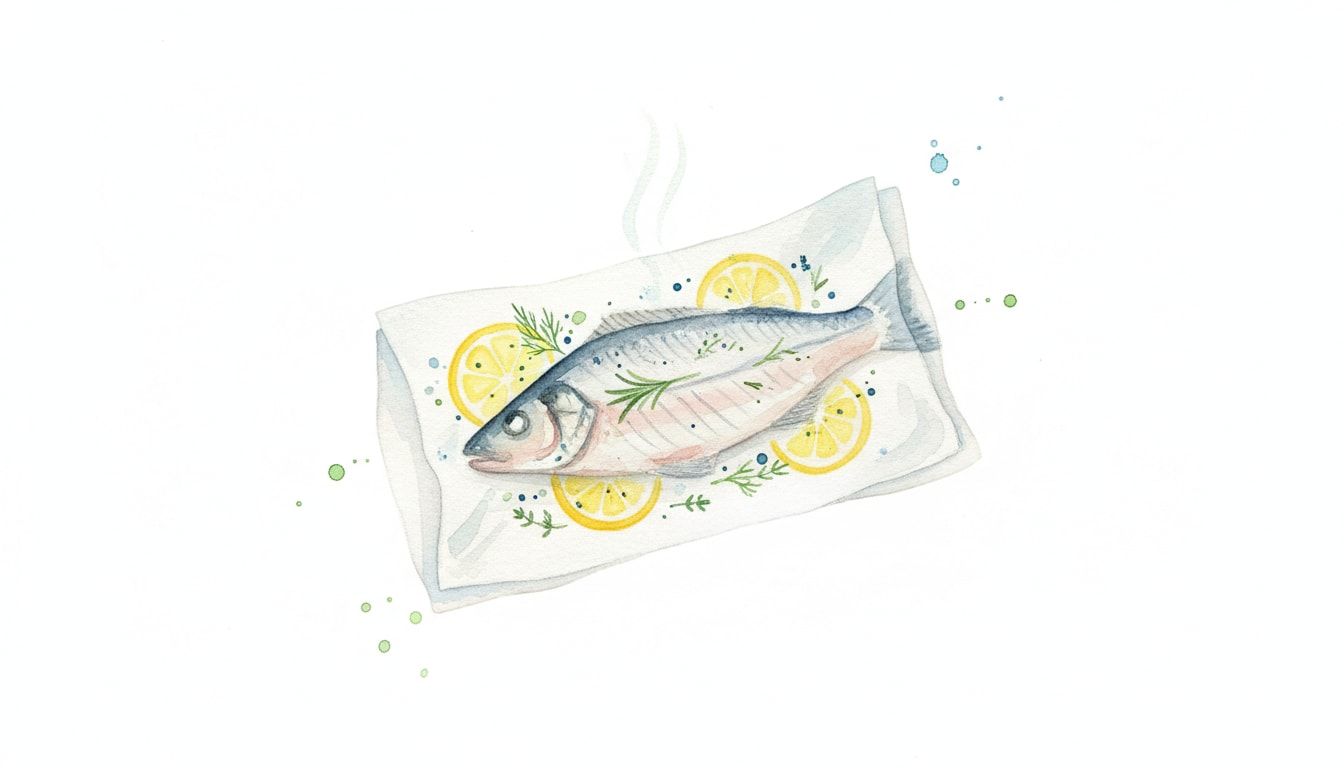
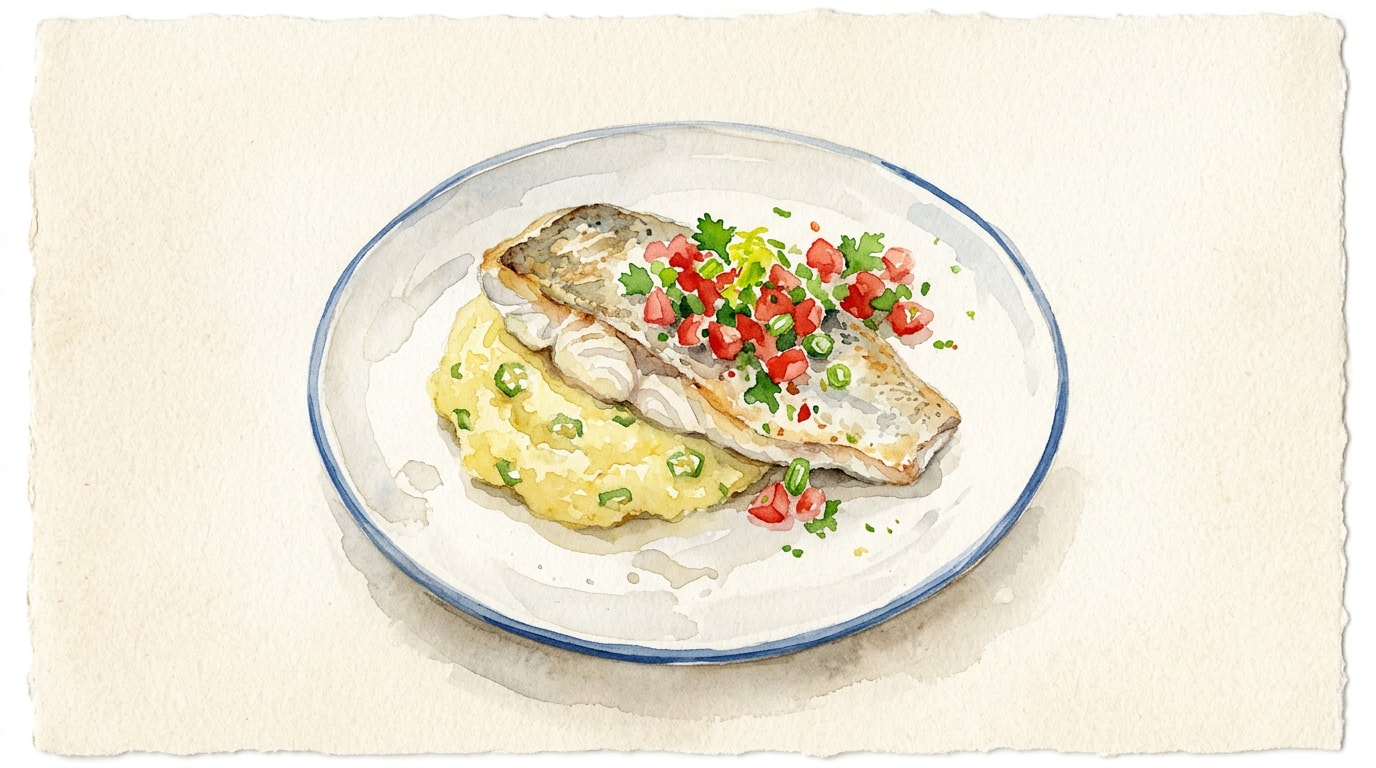
Spoon a generous, smooth mound of warm cou-cou onto the center of each plate. Rest a sea bass fillet directly on top, skin-side facing up to preserve crispness, and garnish generously with the fresh tomato-lime salsa.
Chef's Notes
- Moisture is the enemy of a perfect sear. After patting the sea bass dry, you can leave it uncovered in the refrigerator for an hour to completely dry out the skin.
- The traditional Barbadian tool for stirring cou-cou is a flat wooden stick shaped like a miniature cricket bat, simply called a cou-cou stick. A sturdy, flat-edged wooden spoon is the best modern alternative.
- Scoring the fish skin prevents the connective tissue from shrinking abruptly under high heat, which causes the fillet to buckle and cook unevenly.
- To customize the heat profile of your salsa, modulate the amount of jalapeno or scotch bonnet seeds you include, as the seeds and ribs contain the highest concentration of capsaicin.
Storage
Refrigerator: 2 days — Store components in separate airtight containers.
Reheating: Reheat cou-cou gently on the stove with a splash of water to restore creaminess. Pan-fry the fish briefly to warm, though the skin will lose some crispness. Serve salsa cold.