Equipment
Ingredients
Pasta
- 350 g farfalle pasta, dry
- 4000 ml water
- 30 g salt
Sauce & Proteins
- 300 g crawfish tails, cooked and peeled
- 250 g artichoke hearts, canned or jarred
- 45 g unsalted butter
- 1 shallot, minced
- 3 garlic cloves, minced
- 120 ml dry white wine
- 120 ml heavy cream
- 1 lemon, zested and juiced
Finishing
- 15 g fresh parsley, chopped
- 10 g fresh chives, chopped
- 2 g red pepper flakes
- 30 g parmesan cheese, grated
Nutrition (per serving)
Method
Bring a large stockpot of salted water to a rolling boil.
Add the farfalle to the boiling water and cook for 1 minute less than the package instructions indicate for al dente. Reserve 100ml of pasta cooking water before draining.
While pasta cooks, melt the butter in a large skillet over medium heat. Sauté the minced shallot until translucent, then add the garlic and red pepper flakes, cooking for another 30 seconds until fragrant.
Increase heat to medium-high and deglaze the pan with white wine. Simmer vigorously until the liquid reduces by half.
Reduce heat to medium-low. Stir in the heavy cream and lemon zest. Let it bubble gently for 2 minutes until slightly thickened.
Add the artichoke hearts and cooked crawfish tails to the sauce. Cook for 1-2 minutes just to warm them through. Do not boil vigorously or the crawfish will become rubbery.
Toss the drained pasta into the skillet. Add the lemon juice and half the reserved pasta water. Stir vigorously over low heat until the sauce clings to the pasta. Add more pasta water if the sauce looks too thick.
Remove from heat. Stir in the chopped parsley and chives. Season with salt and black pepper to taste.
Chef's Notes
- Look for Louisiana crawfish tails for the best flavor; imported tails often lack sweetness.
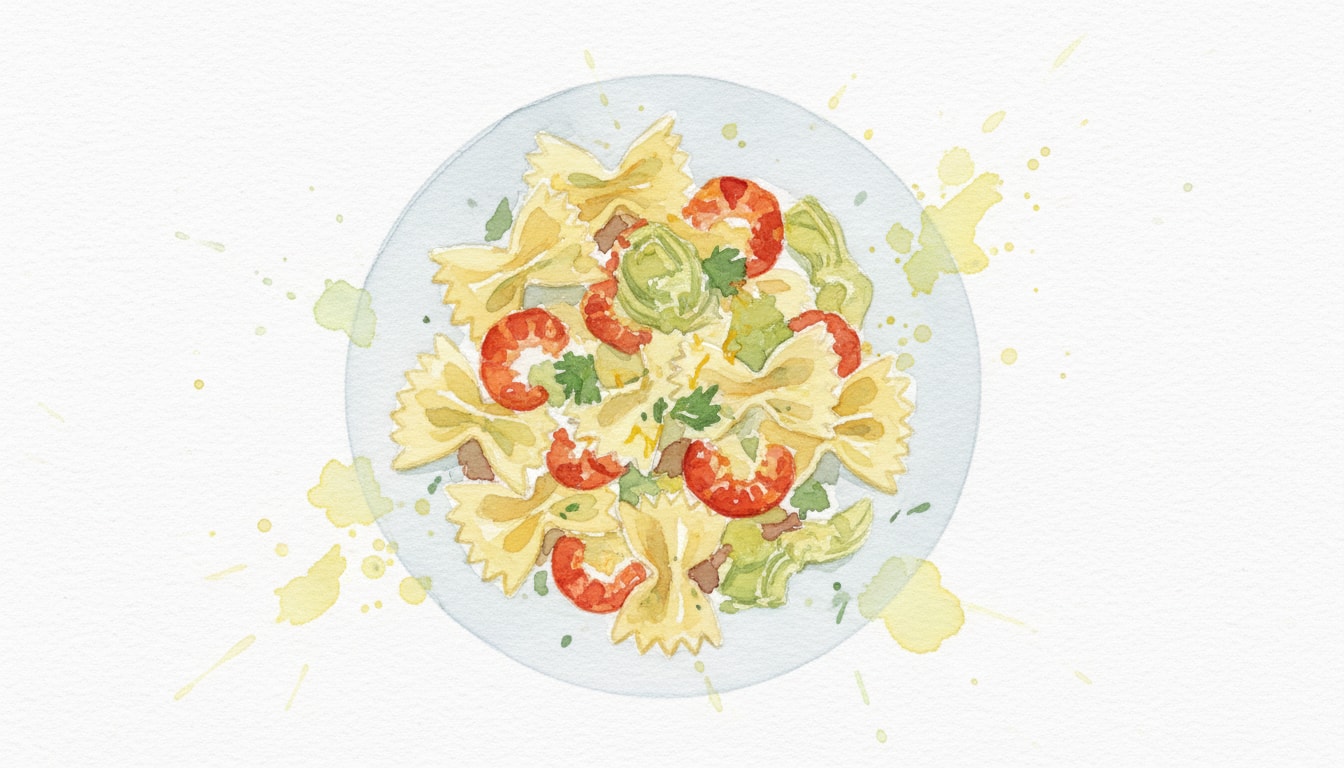
- The shape of farfalle (bowties) is excellent for catching the creamy sauce and small bits of crawfish in the folds.
- If you want a true Cajun kick, substitute the salt and pepper for a dedicated Cajun seasoning blend, but be mindful of the salt content.
- Marinated artichoke hearts add a nice tang, but ensure they are drained well so the oil doesn't make the dish greasy. Rinse them if you prefer a cleaner flavor.
Storage
Refrigerator: 2 days — Seafood pasta is best eaten fresh; reheat gently to avoid rubbery texture.
Reheating: Reheat in a skillet over low heat with a splash of water or milk to re-emulsify the sauce.