Equipment
Ingredients
Soffritto & Vegetables
- 15 ml olive oil, extra virgin
- 1 yellow onion, finely diced
- 1 carrot, peeled and finely diced
- 2 celery, finely diced
- 1 zucchini, finely diced
- 3 garlic, minced
Meat
- 500 g lean turkey mince, raw
Sauce Base
- 30 g tomato paste
- 800 g crushed tomatoes
- 120 ml chicken broth
- 2 g dried oregano
- 2 g dried basil
- 5 g salt
- 2 g black pepper, freshly ground
Pasta & Serving
- 400 g spaghetti, dry
- 10 g fresh parsley, finely chopped
Nutrition (per serving)
Method
Prepare all vegetables. Finely dice the onion, carrot, celery, and zucchini to ensure they melt seamlessly into the sauce. Mince the garlic.
Heat the olive oil in a Dutch oven over medium heat. Add the diced onion, carrot, celery, and zucchini. Sauté until the vegetables are softened and translucent, about 8 to 10 minutes.
Add the raw turkey mince to the pot. Cook, breaking the meat apart continuously with your wooden spoon, until it is entirely browned and opaque. Ensure the poultry reaches a safe internal temperature of 74°C/165°F.
Stir the minced garlic and tomato paste into the turkey and vegetable mixture. Cook for 2 minutes to cook out the raw tomato flavor and bloom the garlic.
Pour in the crushed tomatoes and chicken broth. Stir in the dried oregano, dried basil, salt, and black pepper. Bring the pot to a gentle bubble, then immediately reduce the heat to low.
Cover the pot partially with a lid and simmer for 45 minutes, stirring occasionally. This slow process develops a rich flavor and thickens the sauce.
About 15 minutes before the sauce finishes, bring a large pasta pot of generously salted water to a rolling boil. Add the spaghetti and cook according to the package instructions until al dente.
Reserve 100ml of the starchy pasta water using a heatproof cup, then drain the spaghetti in a colander. Transfer the drained pasta back to the warm pot.
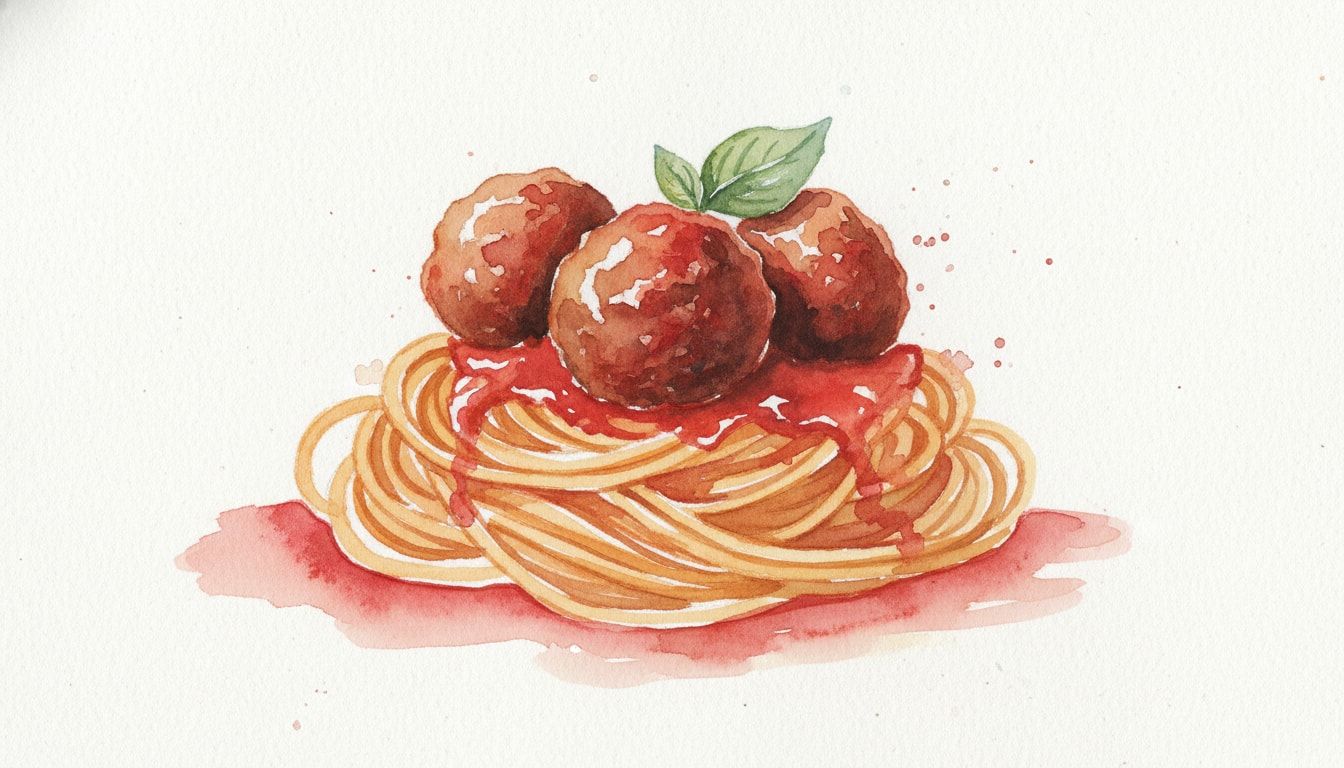
Toss the hot spaghetti with two ladles of the turkey bolognese sauce and a small splash of the reserved pasta water. Stir vigorously for 1 minute so the starchy water and sauce emulsify and cling to the noodles.
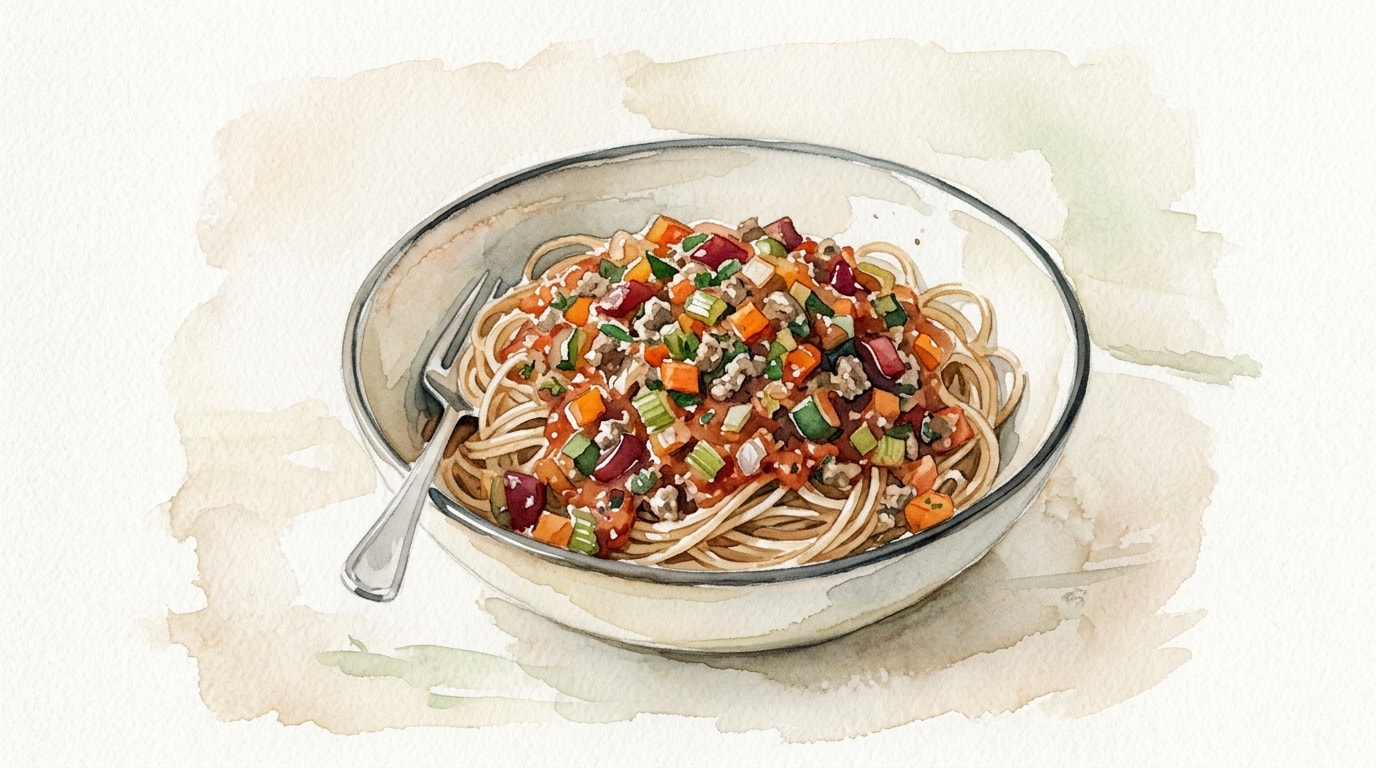
Divide the sauced pasta among serving bowls. Spoon a generous amount of additional bolognese sauce over the top of each portion and garnish with freshly chopped parsley.
Chef's Notes
- Finely dicing the vegetables creates a traditional 'soffritto' base that melts into the sauce. Using a food processor to pulse the carrots, celery, and zucchini is a fantastic time-saving trick and perfectly hides the extra vegetables from picky eaters.
- Browning tomato paste before adding liquids is a crucial technique known as 'pincage'. It caramelizes the sugars and transforms the flavor from raw and metallic to sweet and complex, which is essential when using lean meats like turkey.
- Never rinse your pasta after draining. The residual surface starch is exactly what helps the tomato sauce stick to the noodles rather than sliding off to pool at the bottom of the bowl.
- If you want to introduce a touch of dairy without compromising the lighter profile, drop a leftover Parmesan rind into the pot while the sauce simmers. It releases incredible savory notes and can be fished out before serving.
Storage
Refrigerator: 4 days — Store the sauce and pasta in separate airtight containers to prevent the pasta from becoming mushy.
Freezer: 3 months — Freeze the sauce only; do not freeze cooked spaghetti. Leave headspace in the container for expansion.
Reheating: Reheat the sauce gently on the stovetop over medium-low heat. Add a splash of water or chicken broth if the sauce has thickened too much in the fridge.