Equipment
Ingredients
Pasta
- 400 g spaghetti, dry
Sauce Base
- 30 ml olive oil, extra virgin
- 15 g garlic, finely minced
- 100 g tomato paste, concentrated
- 30 g preserved lemon, finely chopped
- 200 ml heavy cream, room temperature
Seasoning
- 2 g black pepper, freshly cracked
Nutrition (per serving)
Method
Bring a large pot of generously salted water to a rolling boil at 100C or 212F. Add the spaghetti and cook according to package instructions until 1 minute shy of al dente. Reserve at least 250ml of the starchy pasta water before draining the noodles.
While the pasta boils, heat the olive oil in a large skillet over medium heat. Add the minced garlic and cook gently until aromatic but not colored, about 1 minute.
Add the tomato paste to the skillet with the garlic. Cook, stirring constantly with a wooden spoon or spatula, until the paste deepens to a dark brick red color and begins to leave a fond on the bottom of the pan, about 3 minutes.
Reduce the heat to medium-low. Stir in the finely chopped preserved lemon rind, followed by the heavy cream. Stir well to dissolve the caramelized tomato paste into the liquid, bringing the mixture to a very gentle simmer.
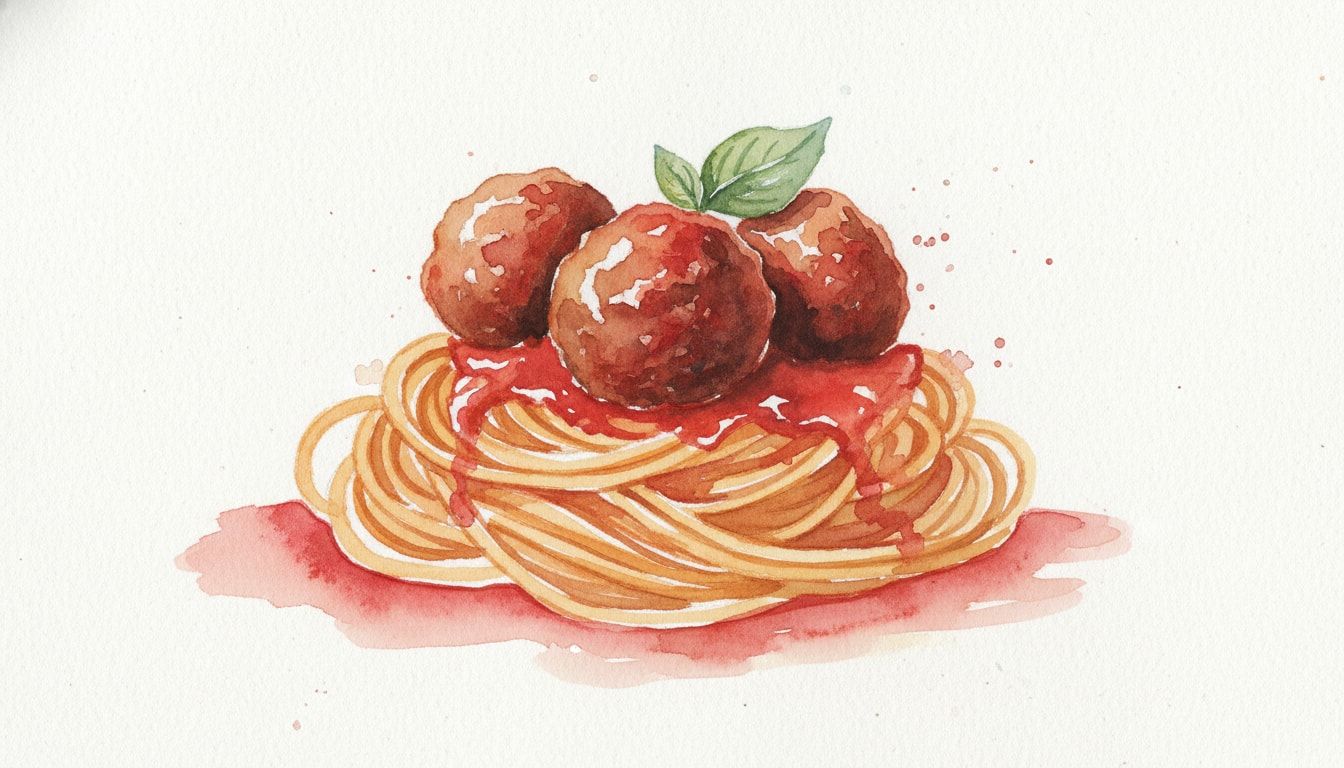
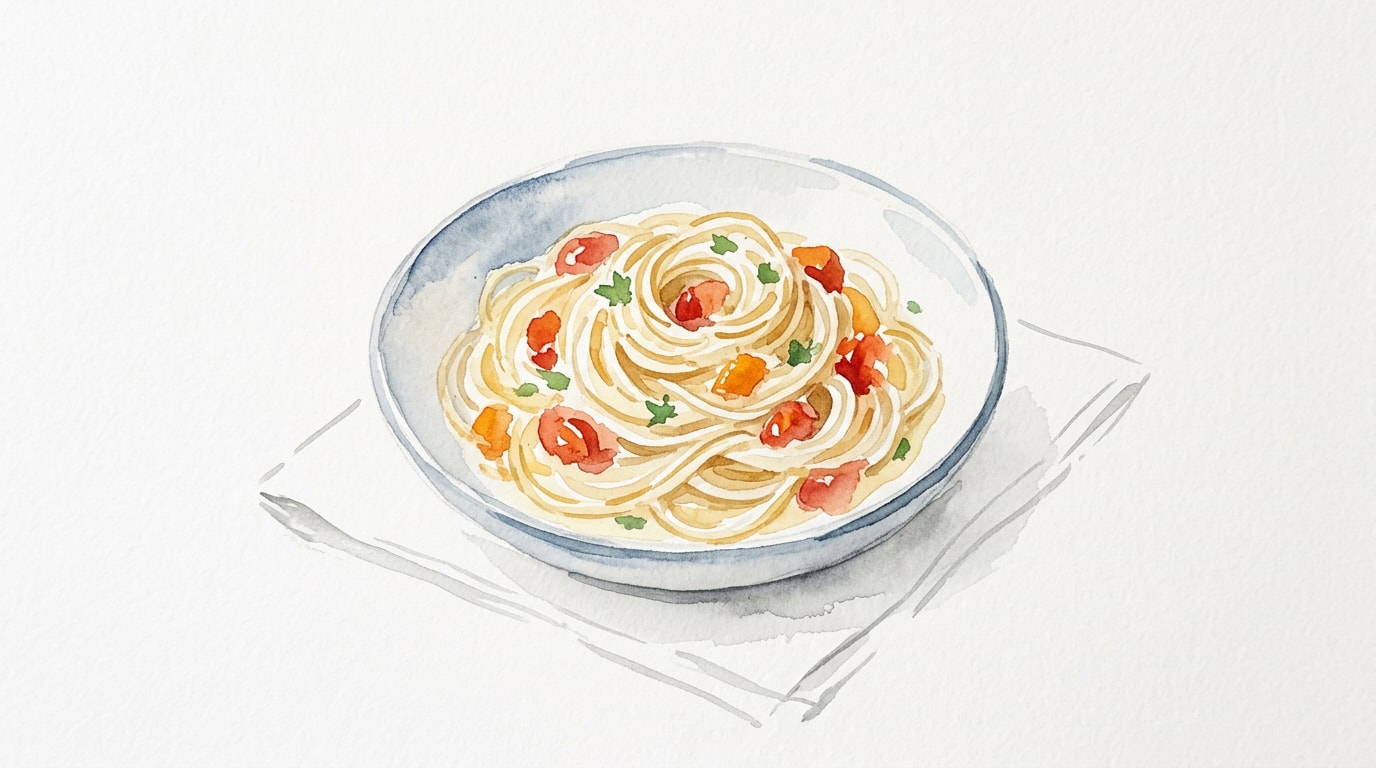
Transfer the drained spaghetti directly into the skillet along with 60ml of the reserved pasta water. Toss the noodles vigorously in the sauce over medium-low heat for 1 to 2 minutes. If the sauce appears too thick or broken, add more pasta water 15ml at a time until it reaches a glossy, clingy consistency.
Remove the skillet from the heat. Season generously with freshly cracked black pepper. Toss one final time and serve immediately.
Chef's Notes
- The technique of cooking out the tomato paste, known as pincage, is essential here. It removes the raw, metallic tin flavor of the paste and builds incredible savory depth.
- Preserved lemons vary wildly in their salt content and intensity depending on the brand or homemade recipe. Always taste a tiny sliver of the rinsed rind before adding the full amount to gauge its potency.
- While heavy cream is generally resistant to splitting compared to lighter dairy, maintaining a gentle simmer rather than a rapid boil ensures the silkiest possible mouthfeel.
- Because both the tomato paste and preserved lemon provide intense acidity and umami, this dish does not traditionally require hard cheeses like Parmesan, though a light dusting will not hurt.
Storage
Refrigerator: 3 days — Store in an airtight container. The sauce will thicken significantly as it cools.
Reheating: Reheat gently on the stovetop over low heat, adding a splash of water or extra cream to help emulsify and loosen the sauce.