Equipment
* optional
Ingredients
Bolognese Sauce (Ragu)
- 500 g ground beef, coarsely ground
- 150 g pancetta, finely diced
- 1 yellow onion, medium
- 1 carrot, medium
- 1 celery stalk, large
- 200 ml dry red wine
- 200 ml whole milk, room temperature
- 30 g tomato paste
- 250 ml tomato puree (passata)
- 300 ml beef stock, hot
- 30 g butter, unsalted
- 15 ml olive oil
Fresh Tagliatelle
- 400 g 00 pasta flour
- 4 large eggs, room temperature
Seasoning & Serving
- 5 g fine sea salt
- 2 g black pepper, freshly ground
- 1 nutmeg, whole
- 60 g parmigiano reggiano, freshly grated
Nutrition (per serving)
Method
Prepare the 'soffritto' by finely dicing the onion, carrot, and celery into uniform 3mm cubes. The smaller the dice, the better they will melt into the sauce.
In a Dutch oven over medium heat, melt the butter with the olive oil. Add the pancetta and cook until the fat renders and it begins to crisp.
Add the diced vegetables (onion, carrot, celery) to the pancetta fat. Cook gently, stirring often, until vegetables are very soft and translucent but not browned.
Increase heat to medium-high. Add the ground beef, breaking it up with a spoon. Cook until the meat has lost its raw red color and begins to sizzle in its own fat. Season with salt and pepper.
Pour in the red wine. Scrape the bottom of the pot to deglaze any fond. Simmer until the wine has almost completely evaporated.
Pour in the milk and grate in the nutmeg. Simmer gently until the milk has evaporated and been absorbed by the meat.
Stir in the tomato paste and passata. Add half the beef stock. Reduce heat to the lowest setting, cover with a lid slightly ajar, and simmer for at least 3 hours. Check every 30 minutes and add more stock if the sauce becomes too dry.
While the sauce simmers, make the pasta. Pour flour onto a clean surface and create a well in the center. Crack eggs into the well. Whisk eggs with a fork, slowly incorporating flour from the edges until a dough forms.
Knead the dough vigorously for 10 minutes until smooth and elastic. Wrap in plastic wrap and let rest at room temperature for 30 minutes.
Cut dough into 4 pieces. Flatten one piece (keep others covered) and pass through the widest setting of pasta machine. Fold in thirds and pass again. Repeat rolling, reducing the setting each time, until dough is about 1mm thick (usually setting 6 or 7).
Dust the pasta sheet with flour, let it dry for 5 minutes, then cut into 6-8mm wide ribbons (tagliatelle). Dust nests of noodles with flour to prevent sticking.
Bring a large pot of water to a boil and salt heavily (like the sea). Boil fresh pasta for 2-3 minutes.
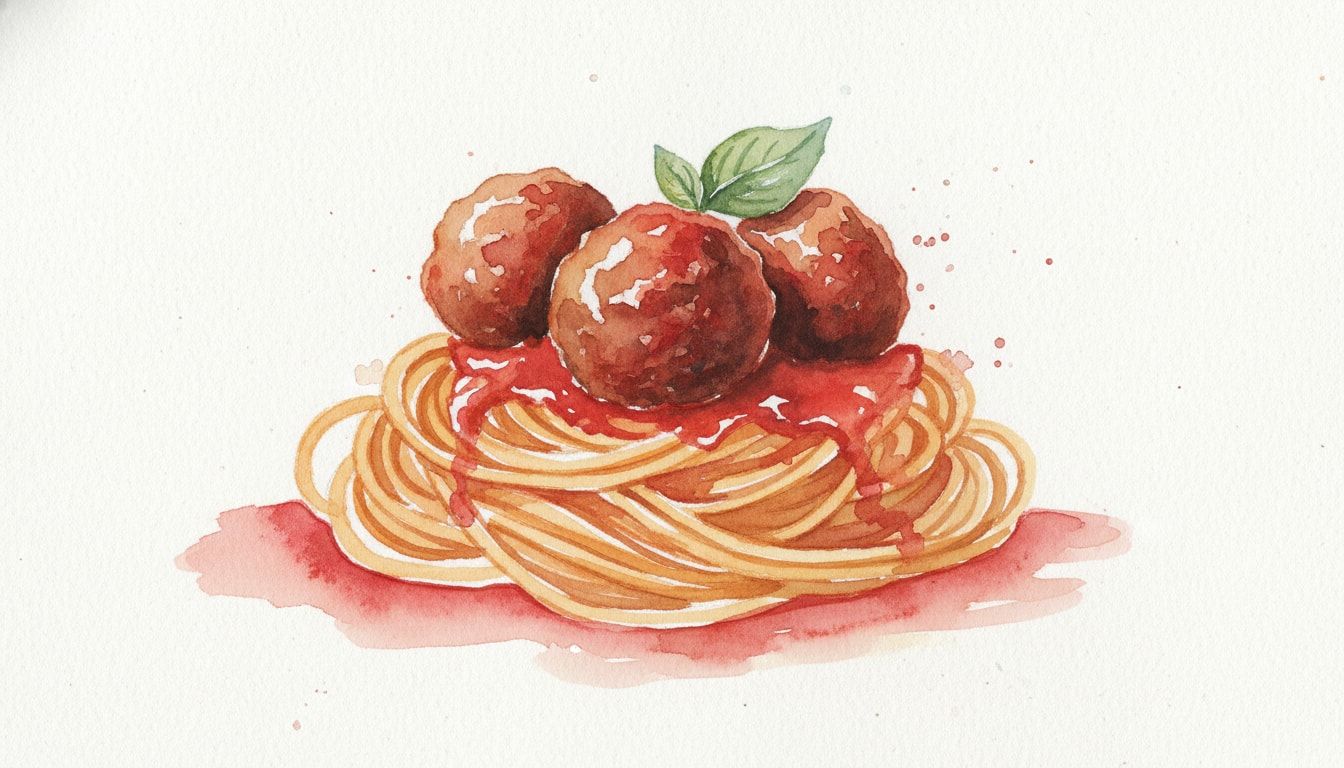
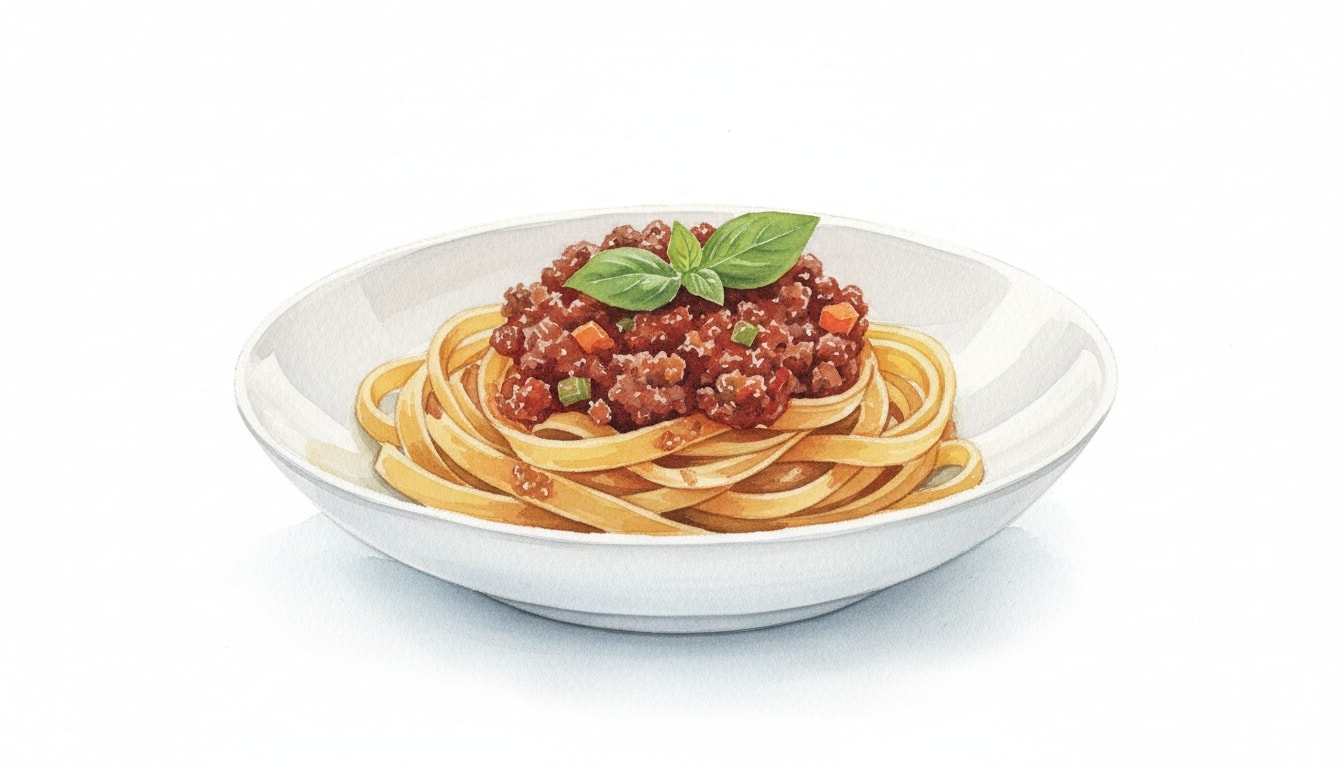
Reserve 100ml pasta water. Drain pasta and transfer immediately to the pot with the Bolognese sauce. Toss vigorously over low heat for 1 minute, adding pasta water if needed to gloss the sauce.
Serve immediately topped with freshly grated Parmigiano Reggiano.
Chef's Notes
- Do not use spaghetti. The smooth surface of commercial spaghetti doesn't hold the chunky meat sauce well. Tagliatelle provides the surface area and texture needed.
- The milk step might seem unusual, but it is chemically crucial. It neutralizes acidity and aids in breaking down the meat fibers.
- If the sauce looks dry during the 3-hour simmer, add water or broth. It should always be loose enough to bubble.
Storage
Refrigerator: 3 days — Store sauce and pasta separately. Cooked pasta absorbs sauce and becomes mushy if stored together.
Freezer: 3 months — The sauce freezes perfectly. Fresh pasta can be frozen in nests on a tray, then bagged.
Reheating: Reheat sauce gently on stovetop with a splash of water. Fresh pasta must be boiled from fresh or frozen.