Equipment
Ingredients
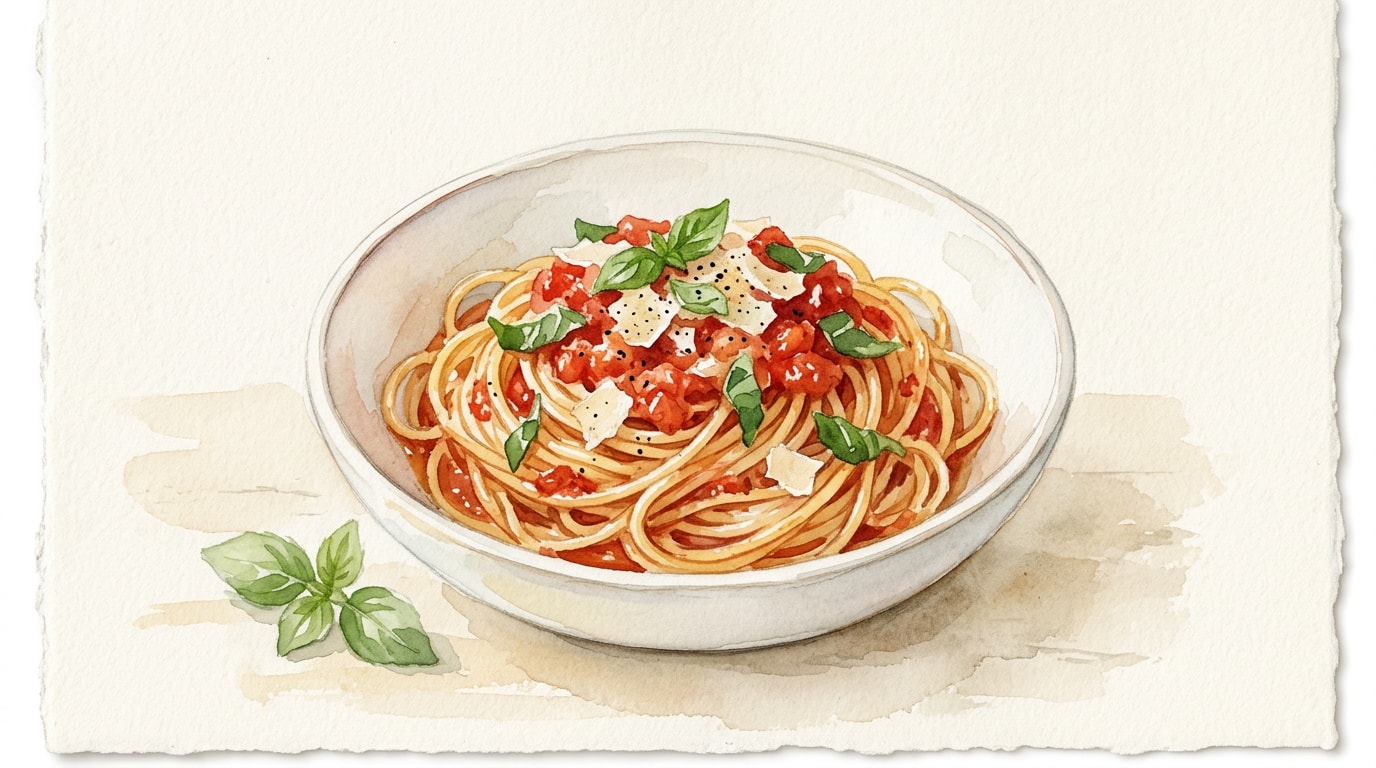
Pomodoro Sauce
- 800 g canned whole peeled tomatoes, preferably San Marzano
- 60 ml extra virgin olive oil
- 4 garlic, peeled and lightly smashed
- 4 fresh basil, whole sprigs on the stem
- 5 g kosher salt
Pasta
- 400 g dry spaghetti, bronze die extruded preferred
- 4000 ml water
- 40 g kosher salt
Nutrition (per serving)
Method
Pour the whole canned tomatoes into a large mixing bowl and gently crush them by hand into bite-sized, uneven pieces. Remove and discard any tough core remnants or loose skins.
Place the olive oil and lightly smashed garlic cloves into a large heavy-bottomed pot. Heat over medium-low to gently coax the flavors into the oil. Sauté until the garlic is very fragrant and turns a pale, blond color, taking care not to brown it.
Carefully pour the hand-crushed tomatoes and their juices into the pot. Add the whole sprigs of fresh basil and 5g of kosher salt. Bring the mixture to a gentle simmer, then reduce the heat to low.
Let the sauce cook uncovered, stirring occasionally, until it reduces, sweetens, and thickens slightly. The oil should rise to the surface and separate slightly from the tomatoes at the edges.
About 15 minutes before the sauce is finished, pour the water into a large pasta pot and bring it to a rapid boil at 100°C/212°F. Add the 40g of kosher salt.
Drop the spaghetti into the aggressively boiling water. Cook the pasta for 2 minutes less than the package directions indicate for al dente.
Remove the basil sprigs and garlic cloves from the sauce and discard. Using tongs, drag the undercooked spaghetti directly from the water into the gently simmering tomato sauce. Add about 60ml of the starchy pasta cooking water.
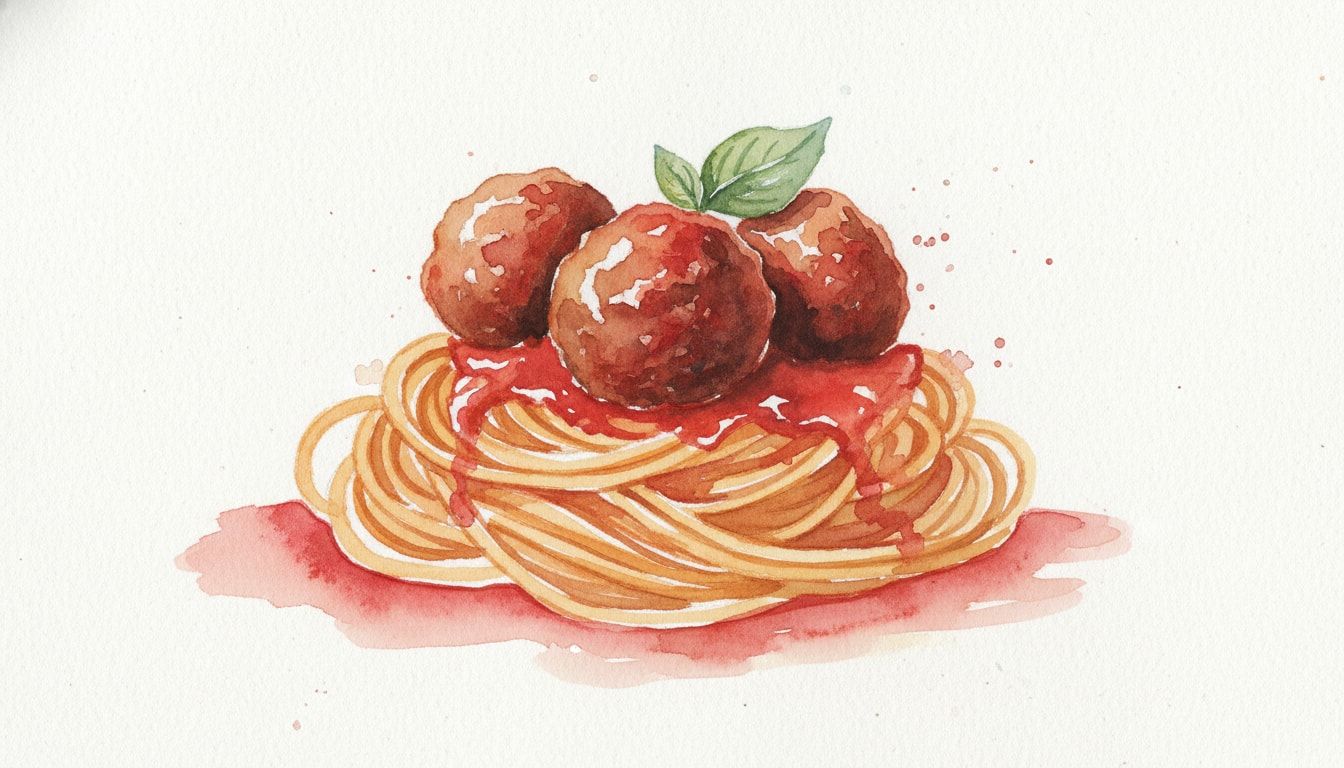
Toss the pasta aggressively in the sauce over medium heat until the noodles finish cooking, absorbing the tomato flavor and creating a tight, glossy, emulsified coating. Serve immediately.
Chef's Notes
- Hand-crushing canned whole peeled tomatoes yields a superior, rustic texture compared to using pre-crushed, diced, or pureed tomatoes, which often contain calcium chloride as a firming agent that prevents them from breaking down properly.
- Cooking the pasta for the final 2 minutes directly in the simmering sauce allows the exterior starches to release into the tomato base, creating a naturally emulsified, restaurant-quality glaze.
- Starting garlic in cold olive oil and heating them together slowly is crucial; it gently extracts the aromatic, sweet oils from the garlic without scorching it, which would introduce a harsh, acrid bitterness.
- Do not rinse your pasta. Rinsing washes away the surface starch that is absolutely necessary for the tomato sauce to cling to the noodles.
- Steeping whole basil sprigs on the stem infuses the sauce with deep herbal notes without turning the leaves black or bitter, which happens if they are chopped and simmered too early.
Storage
Refrigerator: 3 days — Store sauce and pasta separately if possible for best texture upon reheating.
Freezer: 3 months — Freeze the tomato sauce only. Do not freeze cooked pasta.
Reheating: Warm sauce gently in a skillet, boil fresh pasta, and combine. Alternatively, toss leftover mixed pasta with a splash of water in a hot skillet until steaming.