Equipment
* optional
Ingredients
Primary Fermentation
- 5000 g fresh european anchovies, whole
- 3000 g coarse sea salt, dry
Finishing
- fresh oregano leaves
- lemon zest
Nutrition (per serving)
Method
Prepare the anchovies by removing the heads and entrails by hand. Do not wash the fish with freshwater, as this introduces bacteria and dilutes the blood/salt bond. If absolutely necessary, rinse quickly in clean seawater or a strong brine.
Place the cleaned anchovies in a container with a generous amount of salt (about 10% of the total salt) and toss gently. Let them sit for 24 hours to begin initial dehydration.
Transfer the anchovies to the Terzigno (barrel) or glass jar. Create a layer of salt at the bottom, then arrange anchovies in a tight, single layer, alternating head-to-tail to minimize gaps. Cover completely with salt. Repeat this layering process until the vessel is full, finishing with a thick cap of salt.
Place the 'tompagno' (wooden disc) or follower plate on top of the final salt layer. Place the heavy weight on top to compress the fish.
Store the vessel in a cool, dark place with a stable temperature around 18-20°C (64-68°F). Allow to ferment for a minimum of 12 months, ideally 18 to 36 months.
After the aging period, the liquid is harvested. Traditional method: Pierce a small hole in the bottom of the barrel. The liquid on top slowly drains back down *through* the layers of fish, picking up flavor and clarity, dripping out drop by drop.
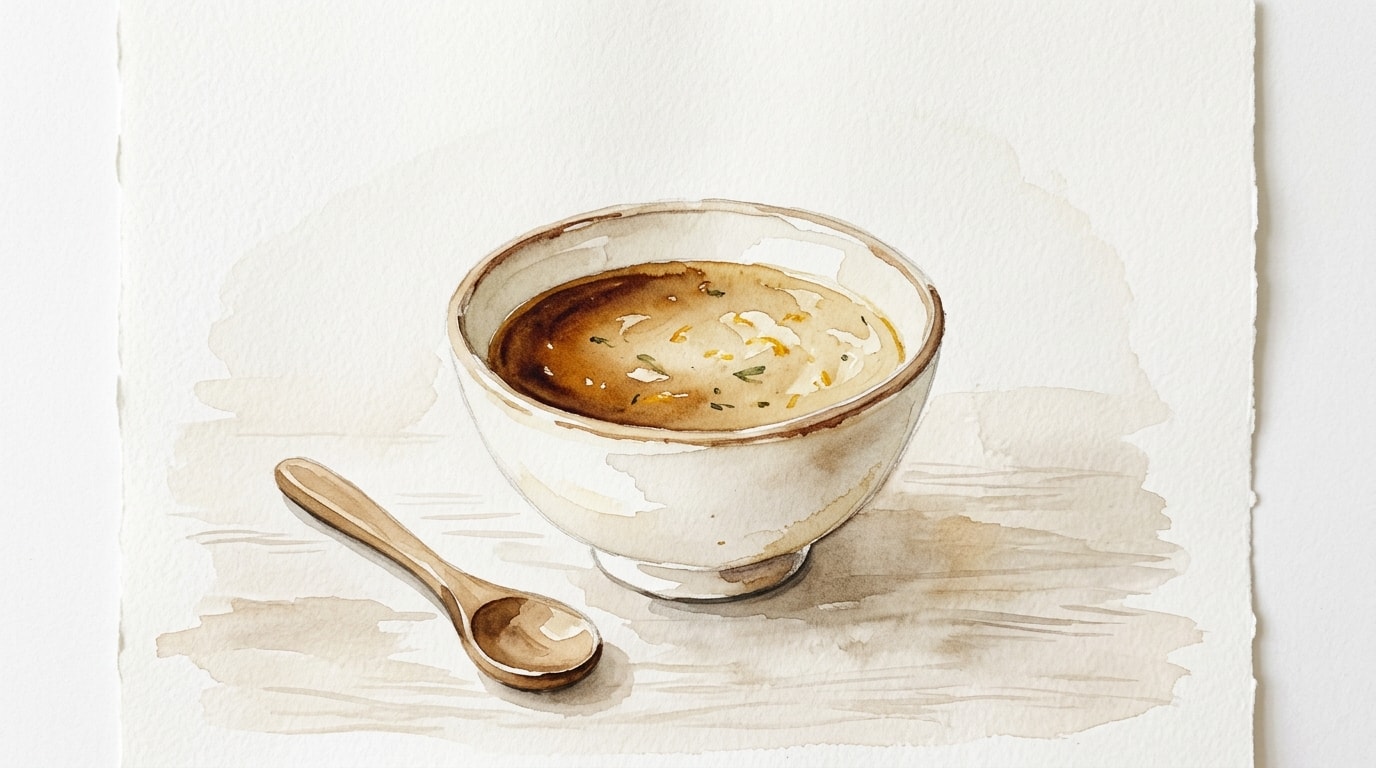
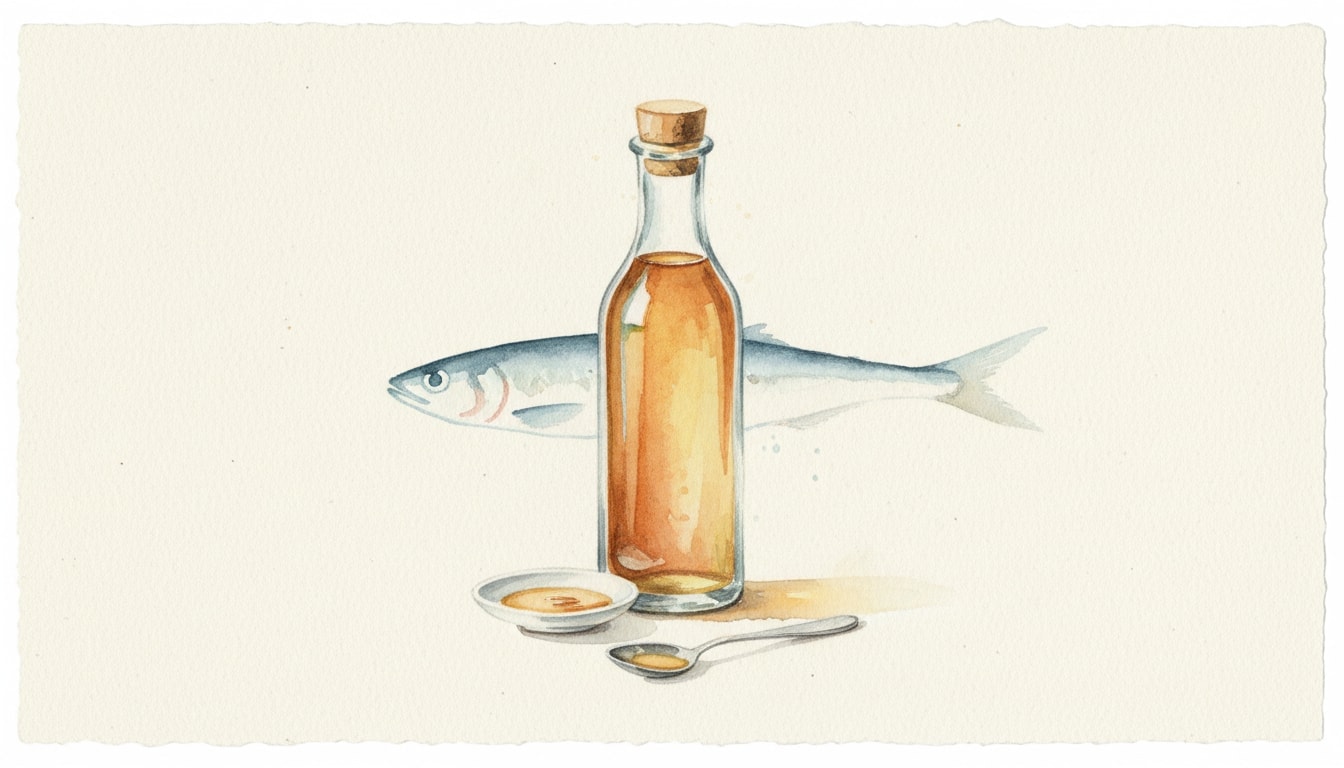
Collect the amber liquid. For optimal clarity, filter one last time through a wool cloth (sometimes layered with fresh oregano or lemon zest for aroma, though purists omit this) into sterilized glass bottles.
Chef's Notes
- The leftover fish solids are extremely salty but can be desalinated and used, though they will be very broken down.
- True Colatura di Alici di Cetara is a DOP product; this recipe replicates the traditional home process.
- The final liquid should be a brilliant amber color, not muddy or black.
- Histamine levels increase with fermentation; those with sensitivity should avoid this product.
Storage
Reheating: Do not cook; add at the very end of preparation or raw.