Equipment
Ingredients
Garlic
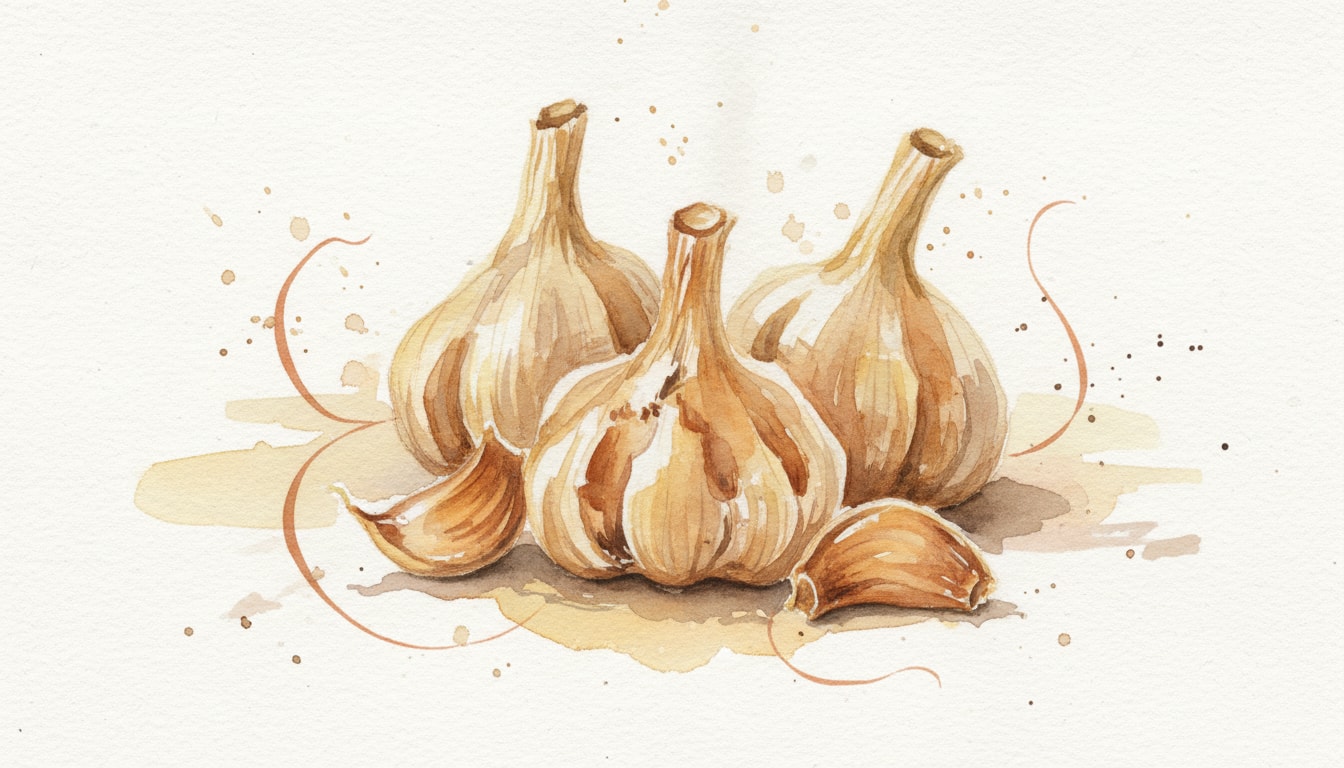
- 4 whole garlic heads, intact
- 30 ml extra virgin olive oil
- 2 g flaky sea salt
- 4 fresh thyme sprigs
Nutrition (per serving)
Method
Preheat your oven to 200°C (400°F). Position a rack in the center of the oven.
Remove the loose, papery outer layers from the garlic bulbs, leaving the skins of the individual cloves intact so the head holds together. Using a sharp knife, slice 5-10mm off the top of each head to expose the tops of the raw cloves.
Place the garlic heads on squares of aluminum foil (one square per head). Drizzle the olive oil generously over the exposed cloves, allowing it to seep down between them. Season with flaky sea salt and top with a sprig of thyme if using.
Gather the corners of the foil and twist tightly to create sealed parcels. Place these parcels on a baking sheet and roast for 40 to 50 minutes. The garlic is done when the cloves are completely soft and yield easily to a gentle squeeze.
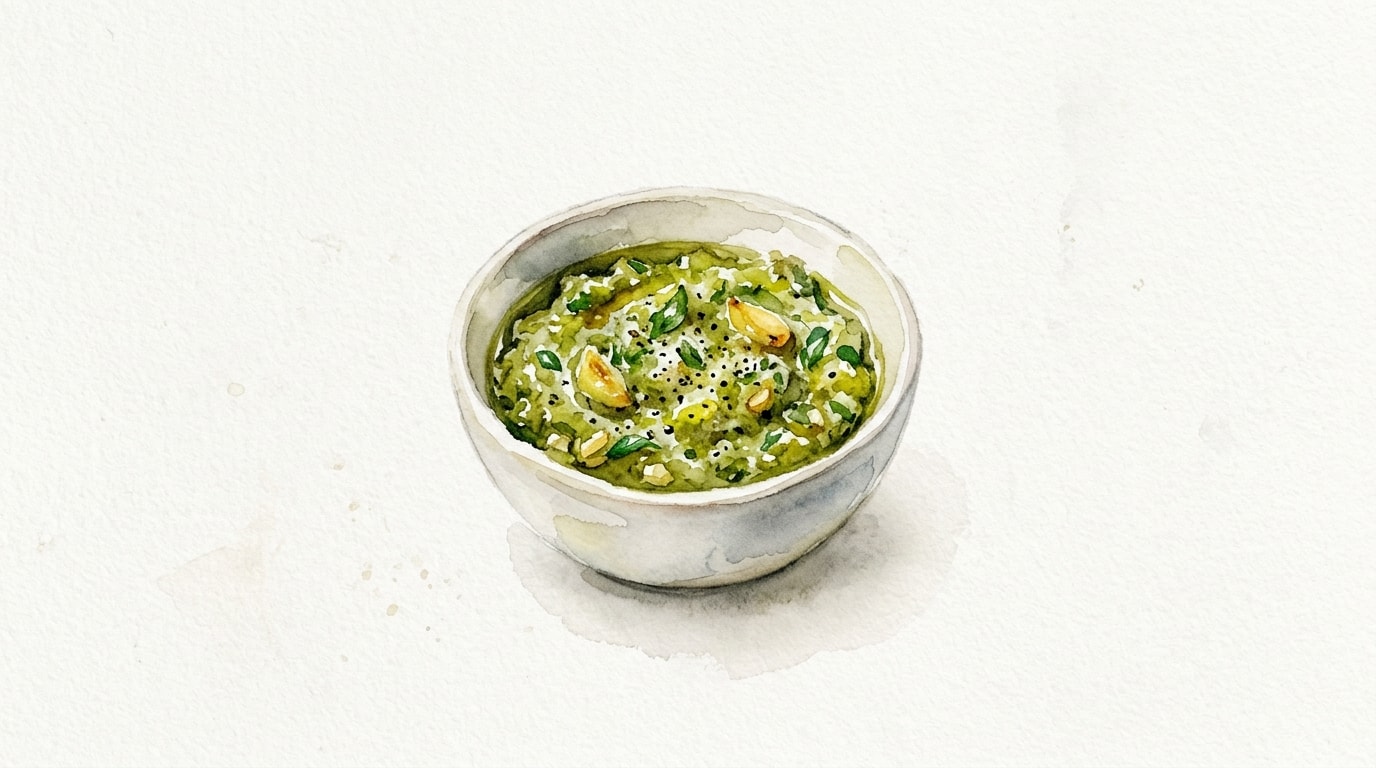
Remove from the oven and carefully open the foil packets (beware of hot steam). Let the garlic cool for at least 10 minutes until safe to handle. To serve or store, squeeze the bottom of the bulb to push the caramelized cloves out of their skins.
Chef's Notes
- Safety First: Never store roasted garlic in oil at room temperature. This creates an anaerobic environment perfect for botulism bacteria. Always refrigerate immediately.
- Flavor Maximization: For a deeper, more caramelized flavor, open the foil packets for the last 10 minutes of roasting to brown the tops.
- Usage: Mash this paste into butter for instant garlic bread, whisk into vinaigrettes for a creamy emulsifier, or stir into mashed potatoes for rich depth without the spicy bite of raw garlic.
- Waste Reduction: Don't throw away the oil left in the foil packets; it is essentially 'roasted garlic oil' and is delicious dripped over vegetables.
Storage
Refrigerator: 2 weeks — Squeeze cloves out of skins and store in an airtight container submerged in olive oil. WARNING: Do not store at room temperature due to botulism risk.
Freezer: 3 months — Freeze individual cloves on a tray, then transfer to a bag, or freeze the paste in ice cube trays.
Reheating: Not required, but can be warmed gently in a pan if used as a spread.