Equipment
Ingredients
Yorkshire Pudding Batter
- 140 g all-purpose flour
- 4 eggs, room temperature
- 200 ml whole milk, room temperature
- 2 g salt
- 40 ml beef dripping
Horseradish Cream
- 150 ml double cream, cold
- 30 g prepared horseradish
- 5 ml lemon juice, freshly squeezed
- salt
Topping
- 200 g cooked rare roast beef, very thinly sliced
- 10 g fresh chives, finely chopped
Nutrition (per serving)
Method
In a mixing bowl, whisk together the all-purpose flour, eggs, whole milk, and salt until a smooth, lump-free batter forms. Transfer the batter to a measuring jug to make pouring easier later.
Rest the batter at room temperature for at least 30 minutes. This essential step allows the gluten to relax and the starch grains to swell, ensuring a better rise.
Preheat the oven to 220°C/430°F. Place approximately 1/2 teaspoon of beef dripping or oil into each hole of a 24-hole mini muffin tin. Place the tin in the oven for 10 minutes until the oil is shimmering and smoking hot.
Carefully remove the hot tin from the oven. Working very quickly, pour the rested batter into the hot oil, filling each hole about halfway. Return immediately to the oven and bake for 12 to 15 minutes at 220°C/430°F. Do not open the oven door during baking.
Remove the baked puddings from the tin immediately so they do not absorb excess oil, and transfer them to a wire cooling rack. Allow them to cool completely.
While the puddings cool, pour the cold double cream into a clean mixing bowl and whip until soft peaks form.
Gently fold the prepared horseradish, lemon juice, and salt into the whipped cream. Taste and adjust the seasoning if necessary.
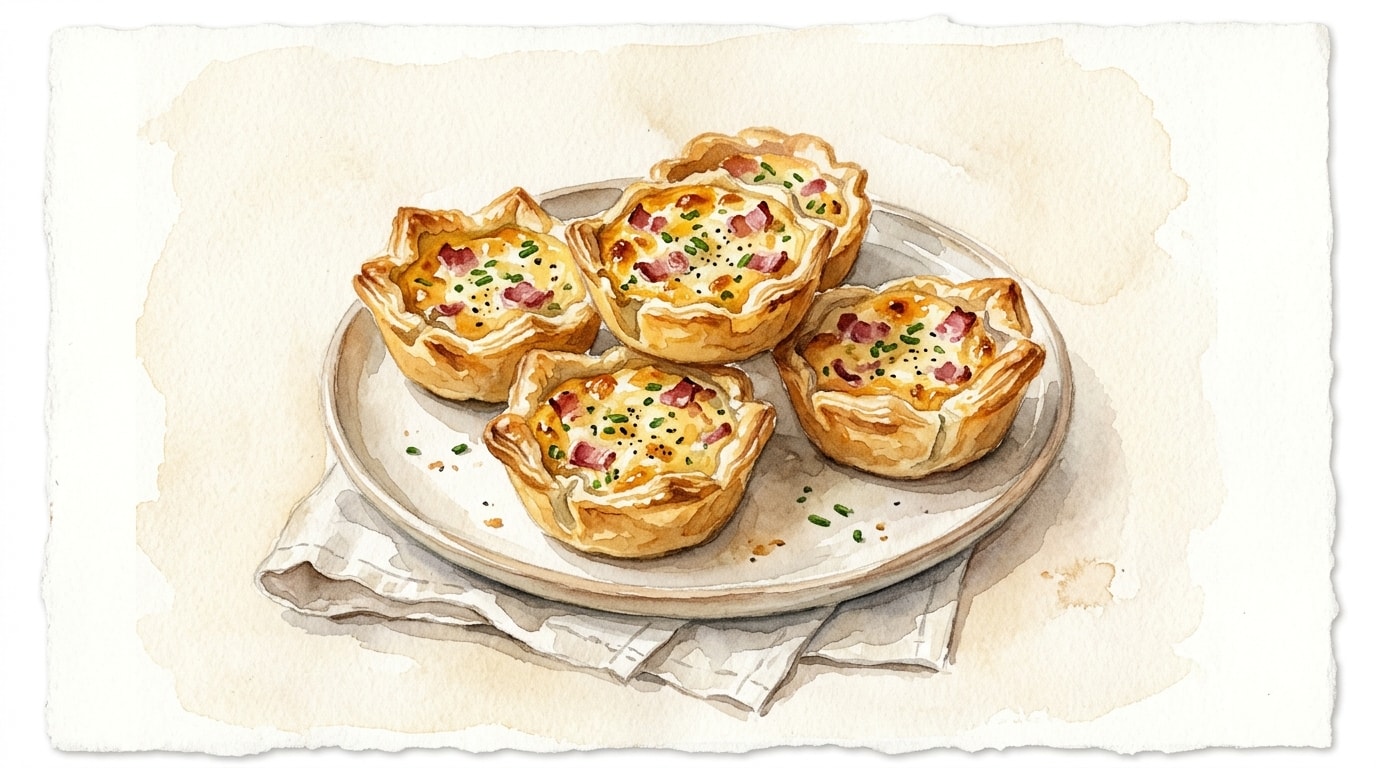
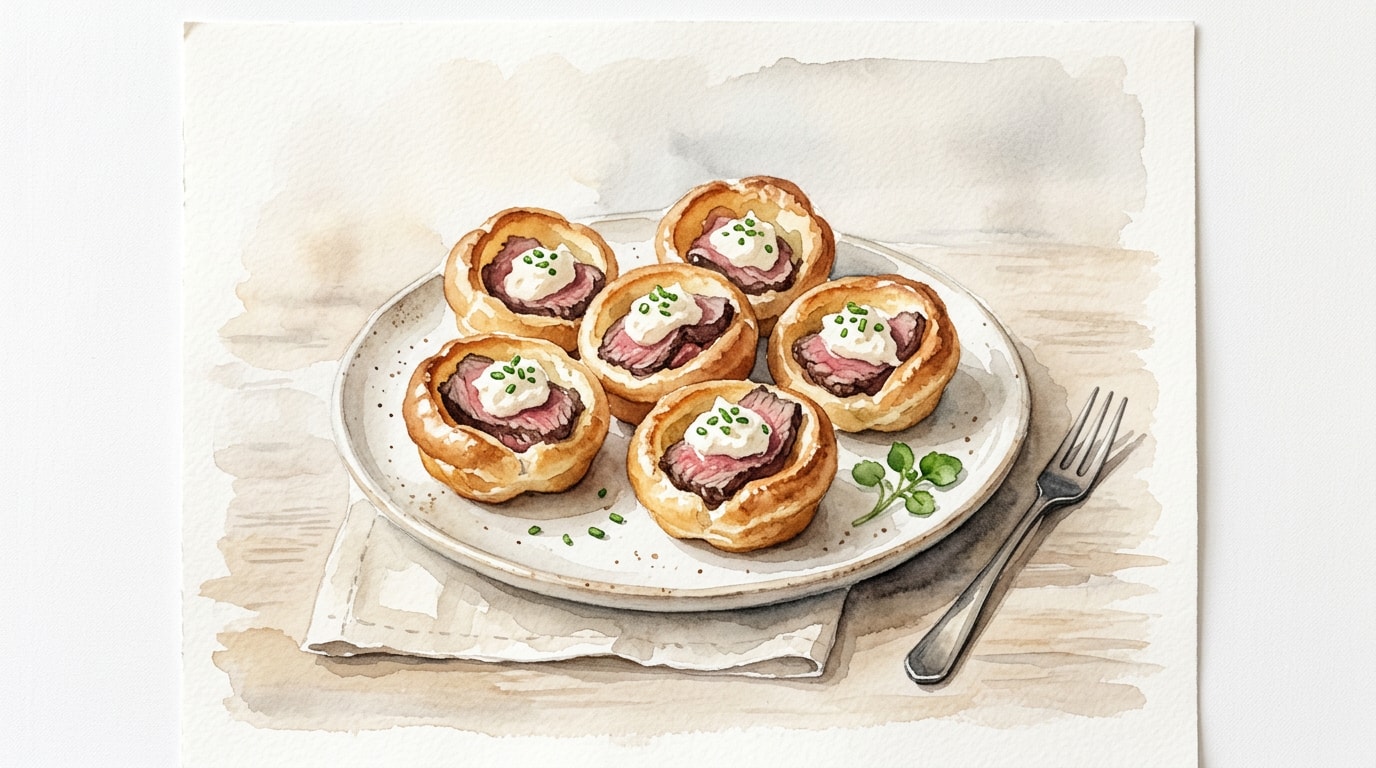
Place a small dollop of the horseradish cream into the natural hollow center of each cooled mini Yorkshire pudding.
Fold a thin slice of cold roast beef into a neat rosette or ribbon and nestle it on top of the cream. Garnish with a sprinkle of finely chopped fresh chives and serve immediately.
Chef's Notes
- For the best rise, ensure your batter is at room temperature and your oil is smoking hot. The thermal shock is what creates the dramatic puff.
- Resting the batter is non-negotiable. It gives the starch grains time to swell and the gluten time to relax, resulting in a lighter pudding with a better hollow center.
- When pouring the batter, use a measuring jug. Speed is critical; you want the tin out of the oven for the shortest possible time so it does not lose its intense heat.
- If preparing ahead for an event, bake the Yorkshire puddings earlier in the day and crisp them up in a 200°C oven for 3 minutes before cooling and filling.
Storage
Refrigerator: 2 days — Store components separately. Assembled puddings will become soggy.
Freezer: 1 month — Freeze unfilled puddings only.
Reheating: Crisp unfilled puddings in a 200°C/400°F oven for 3 minutes before cooling and filling.