Equipment
* optional
Ingredients
Cultured Cream
- 946 ml heavy cream
- 60 g plain whole milk yogurt
Washing and Finishing
- 1000 ml water, ice cold
- 6 g flaky sea salt
Nutrition (per serving)
Method
Combine the heavy cream and plain yogurt in a clean, sanitized glass jar. Whisk thoroughly to ensure the yogurt is completely dissolved into the cream without any lumps.
Cover the jar loosely with a breathable cloth or a lightly placed lid. Let it rest at room temperature, ideally 21 to 24 degrees Celsius (70 to 75 degrees Fahrenheit), for 24 hours to allow the yogurt cultures to ferment the cream.
Transfer the thickened cultured cream to the refrigerator to chill for at least 2 hours. The ideal churning temperature is 12 to 14 degrees Celsius (54 to 57 degrees Fahrenheit).
Pour the chilled cultured cream into the bowl of a stand mixer fitted with a whisk attachment. Whip on medium-high speed. The mixture will pass through a whipped cream stage, then turn grainy, and finally separate into yellow butter solids and liquid buttermilk.
Carefully pour the contents of the mixing bowl through a fine mesh sieve placed over a bowl. Allow the liquid buttermilk to drain completely. Reserve this liquid for other culinary uses.
Transfer the solid butter to a clean bowl. Pour ice-cold water over it and use a spatula to press and fold the butter. Drain and replace the water 3 to 5 times until it remains crystal clear.
Knead the butter without water to expel remaining moisture. Sprinkle sea salt evenly over the butter and fold it multiple times to incorporate.
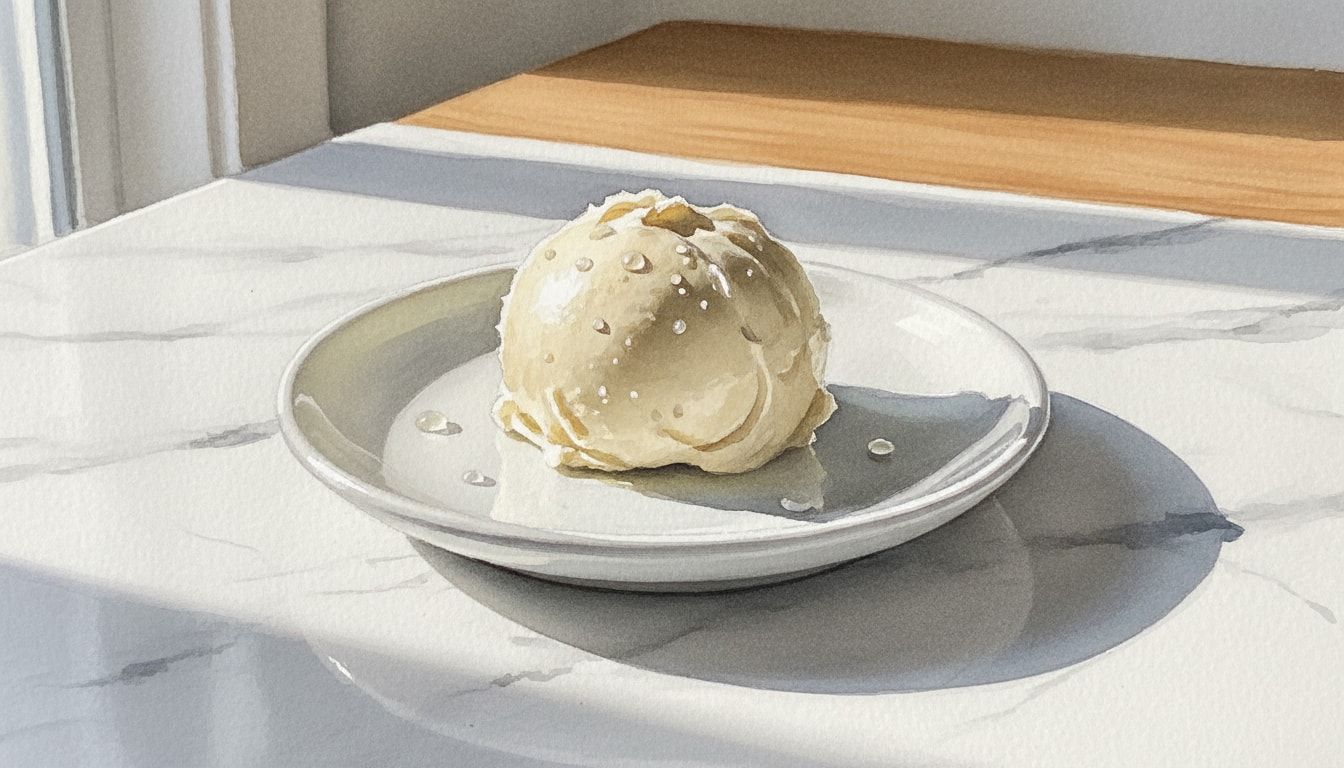
Shape the butter into a block or log using parchment paper. Chill in the refrigerator for at least 1 hour to set before serving.
Chef's Notes
- Using yogurt instead of buttermilk often results in a slightly thicker starting cream and a very consistent tang.
- Ensure your yogurt has live active cultures; these are what transform the cream's flavor profile.
- Washing the butter until the water is perfectly clear is the most important step for preventing the butter from going rancid.
- The liquid leftover from churning is still a high-quality buttermilk, excellent for pancakes or biscuits.
Storage
Refrigerator: 3 weeks — Wrap tightly in parchment paper, then store in an airtight container to prevent absorbing refrigerator odors.
Freezer: 6 months — Wrap securely in parchment paper and place in a freezer-safe bag. Thaw overnight in the refrigerator before use.