Equipment
Ingredients
Dry Ingredients
- 300 g cake flour, sifted
- 10 g baking powder
- 4 g kosher salt
- 3 g baking soda
Wet Ingredients
- 227 g unsalted butter, room temperature
- 170 g honey
- 150 g granulated sugar
- 3 eggs, room temperature
- 10 ml vanilla extract
- 240 ml buttermilk, room temperature
Garnish and Serving
- 200 g mixed fresh berries, washed and dried
- frosting or whipped cream
Nutrition (per serving)
Method
Preheat oven to 175 C (350 F). Grease two 8-inch round cake pans and line the bottoms with parchment paper.
In a medium bowl, whisk together the sifted cake flour, baking powder, kosher salt, and baking soda until evenly distributed.
In the bowl of a stand mixer fitted with the paddle attachment, cream the room temperature butter and granulated sugar on medium-high speed until incredibly light, fluffy, and visibly aerated, about 4 minutes.
Reduce the mixer speed to medium. Gradually pour in the honey and vanilla extract, beating until completely smooth and incorporated.
Add the room temperature eggs one at a time, beating well after each addition. Scrape down the sides and bottom of the bowl with a silicone spatula to ensure an even emulsion.
With the mixer on low speed, add the dry ingredients in three additions, alternating with the buttermilk in two additions. Begin and end with the dry ingredients. Mix just until combined to prevent gluten development.
Divide the batter evenly between the prepared cake pans. Smooth the tops out evenly with a spatula.
Bake in the preheated oven at 175 C (350 F) for 30 to 35 minutes, or until a wooden skewer inserted into the center comes out clean and the cakes spring back lightly when touched.
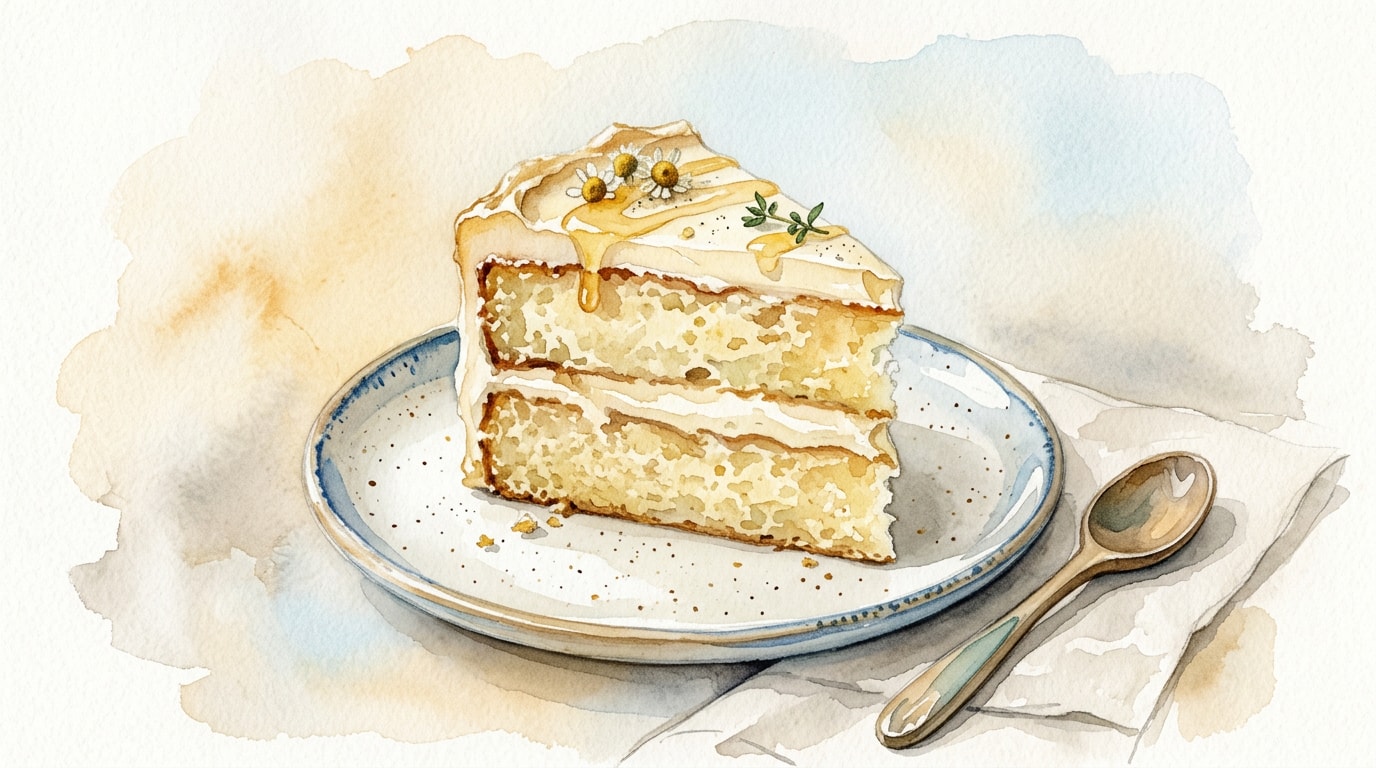
Allow the cakes to cool in their pans for 10 minutes before turning them out onto a wire cooling rack. Remove the parchment paper and let cool completely before serving plain with fresh berries or frosting.
Chef's Notes
- The type of honey dictates the personality of this cake. Orange blossom or clover honey yields a delicate floral note, while buckwheat or chestnut honey produces an assertive, almost gingerbread-like depth.
- Ensuring your butter, eggs, and buttermilk are all at true room temperature (around 20 to 22 degrees Celsius) is critical for a strong emulsion, yielding maximum volume and a tender crumb.
- Because honey is highly hygroscopic (it attracts and retains moisture), this cake actually tastes better and feels more tender on the second day after baking.
- If choosing to frost this cake, a slightly tangy icing like cream cheese buttercream or a whipped creme fraiche frosting balances the rich, buttery sweetness perfectly.
Storage
Refrigerator: 5 days — Wrap tightly in plastic wrap to prevent drying out
Freezer: 3 months — Wrap unfrosted layers in double plastic wrap and foil