Equipment
Ingredients
Caramel
- 150 g granulated sugar
- 60 ml water
Tangerine Custard
- 400 ml whole milk
- 397 g sweetened condensed milk
- 3 tangerines, zested
- 120 ml tangerine juice, freshly squeezed
- 4 eggs, large, room temperature
- 2 egg yolks, large, room temperature
- 5 ml vanilla extract
- 1 g salt
Nutrition (per serving)
Method
Preheat oven to 160 degrees Celsius (320 degrees Fahrenheit). Position a rack in the lower third of the oven.
Combine the granulated sugar and water in a heavy-bottomed saucepan over medium heat. Swirl the pan gently until the sugar dissolves. Do not stir.
Boil the syrup without stirring until it transforms into a deep amber caramel. Watch closely, as it can burn very quickly once it starts to change color.
Immediately pour the hot caramel into the 9-inch round cake pan. Using oven mitts, carefully tilt and swirl the pan to coat the bottom evenly. Set aside to cool and harden.
In a clean saucepan, gently warm the whole milk and tangerine zest over low heat until steaming, reaching about 70 degrees Celsius (160 degrees Fahrenheit). Remove from heat and let sit for 5 minutes.
In a large mixing bowl, gently whisk the whole eggs and egg yolks together. Keep the whisk touching the bottom of the bowl to avoid incorporating unwanted air bubbles.
Whisk the sweetened condensed milk, fresh tangerine juice, vanilla extract, and salt into the egg mixture until fully combined.
Gradually pour the warm, infused milk into the egg mixture while stirring continuously. This tempers the eggs so they do not scramble.
Pour the completed custard mixture through a fine mesh strainer into a clean bowl or pouring jug. Discard the strained zest and any chalazae.
Pour the strained custard slowly over the hardened caramel in the cake pan.
Place the filled cake pan into the large roasting pan. Carefully pour boiling water into the roasting pan until it reaches halfway up the sides of the cake pan to create a water bath.
Carefully transfer the roasting pan to the oven. Bake at 160 degrees Celsius (320 degrees Fahrenheit) for 55 to 65 minutes.
Remove the roasting pan from the oven. Carefully lift the flan pan out of the water bath and place it on a wire rack to cool completely to room temperature, about 1 hour.
Cover the flan pan tightly with aluminum foil and refrigerate overnight, or for a minimum of 12 hours. This sets the custard and dissolves the hard caramel into a liquid sauce.
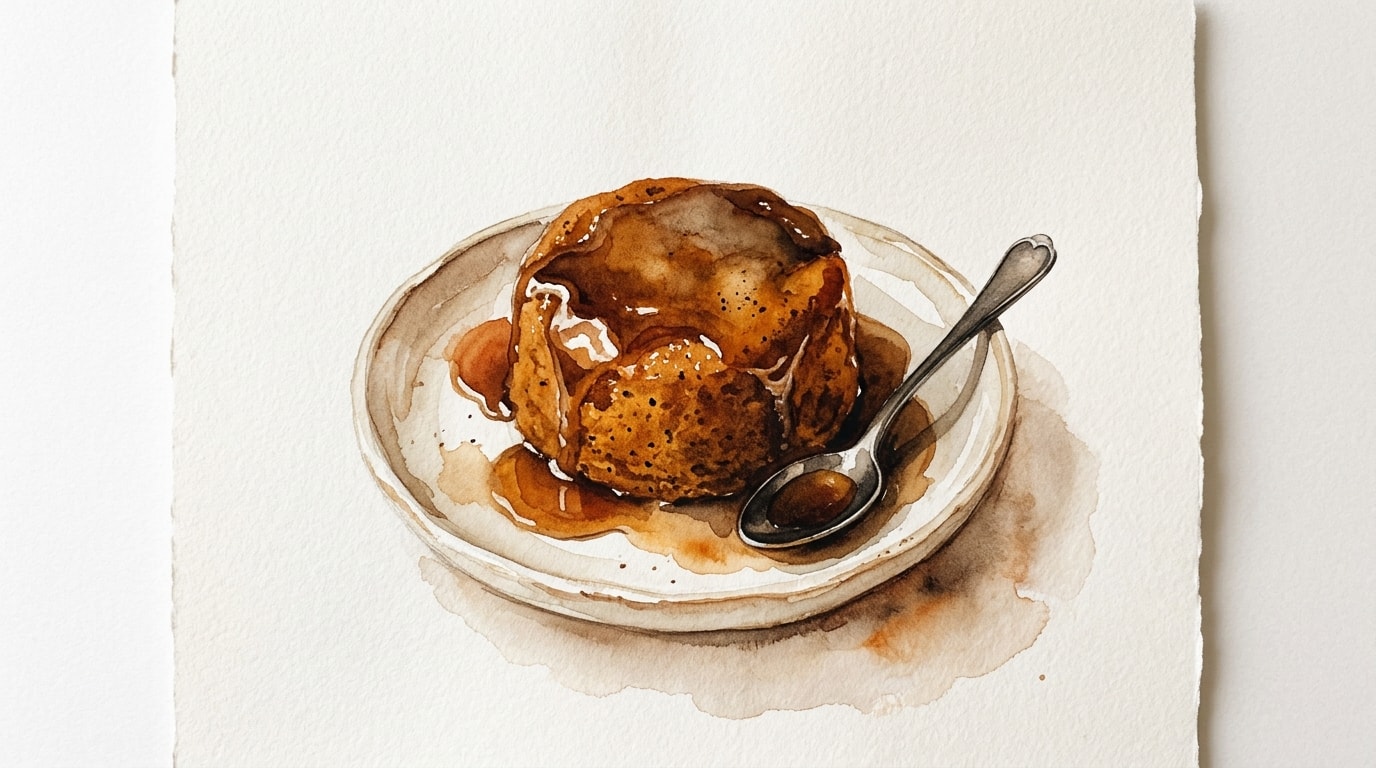
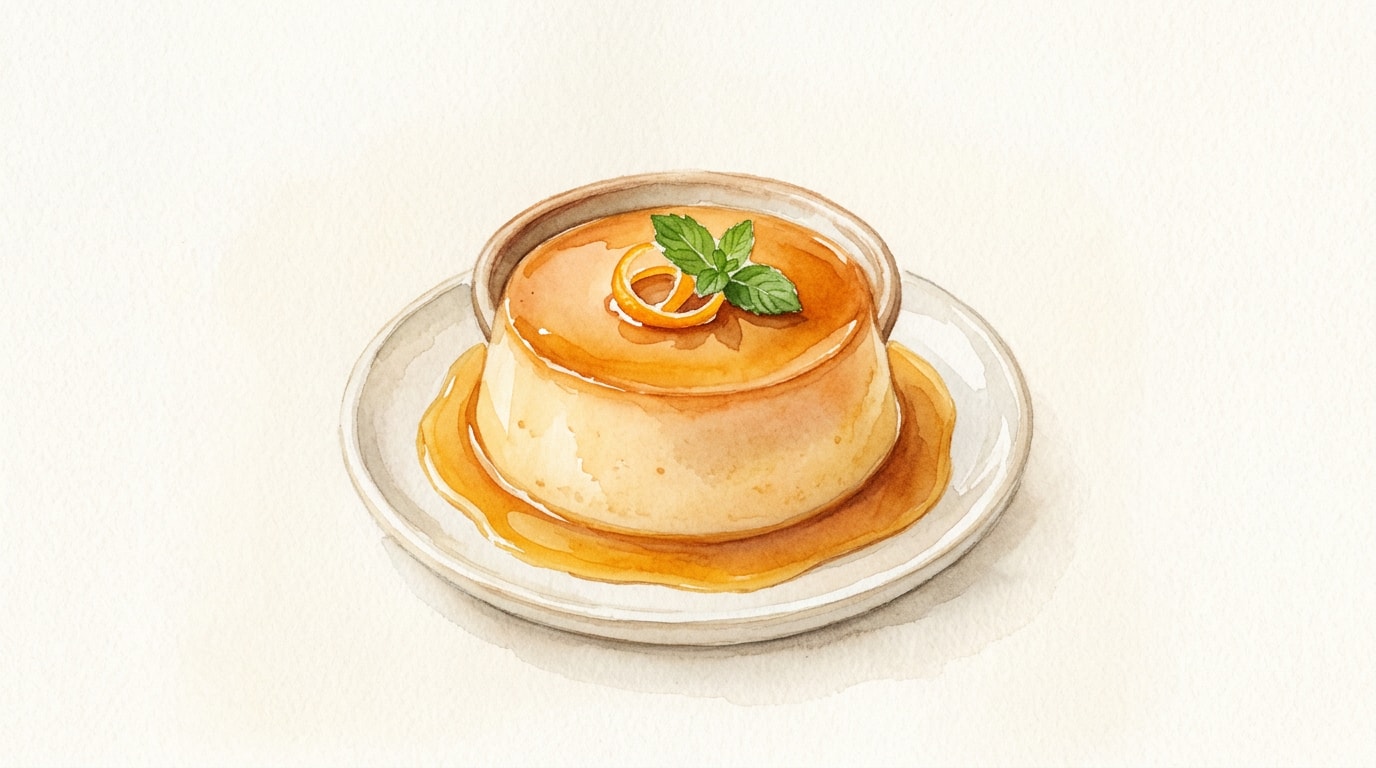
To serve, run a thin, flexible knife around the inner edge of the pan. Place a large, rimmed serving platter upside down over the pan. Holding both tightly together, flip them over quickly. Lift the pan off to reveal the flan and the caramel sauce.
Chef's Notes
- Straining the custard before baking is absolutely essential. It not only removes the spent tangerine zest but also catches any cooked egg whites (chalazae), ensuring the hallmark silky texture of a traditional flan.
- When whisking the eggs, use a gentle side-to-side motion rather than vigorous beating. Incorporating too much air will ruin the dense, smooth mouthfeel of the custard.
- The resting period in the refrigerator serves a dual purpose: it allows the custard's flavor profile to mature and gives the hard caramel time to pull moisture from the custard, turning into a beautifully pourable liquid sauce.
- Tangerine acidity can sometimes curdle hot milk. Infusing the milk with just the zest first, then adding the fresh juice to the cold egg and condensed milk mixture, prevents any separation.
- Baking in a water bath (bain-marie) insulates the custard from the intense, direct heat of the oven. This gentle cooking method is the secret to preventing the eggs from scrambling.
Storage
Refrigerator: 4 days — Keep covered in the pan or an airtight container. The caramel sauce helps preserve the moisture of the flan.