Equipment
Ingredients
Mustard Base
- 50 g mustard powder
- 50 ml cold water
Custard Base
- 50 ml white vinegar
- 1 egg, room temperature
- 30 g white sugar
- 3 g fine sea salt
Nutrition (per serving)
Method
In a small mixing bowl, combine the mustard powder and cold water. Mix thoroughly until a thick, uniform paste forms.
Allow the mustard paste to sit undisturbed at room temperature for exactly 10 minutes to allow the myrosinase enzyme to develop the pungent heat.
While the paste rests, combine the white vinegar, room temperature egg, white sugar, and fine sea salt in a heatproof bowl. Whisk vigorously until the sugar begins to dissolve and the mixture is frothy.
Add the rested mustard paste into the egg mixture. Whisk them together until completely homogenous.
Place the heatproof bowl over a saucepan of barely simmering water to create a double boiler. Whisk the mixture constantly until it thickens slightly and a thermometer registers 71°C/160°F, ensuring the egg is safely cooked without scrambling.
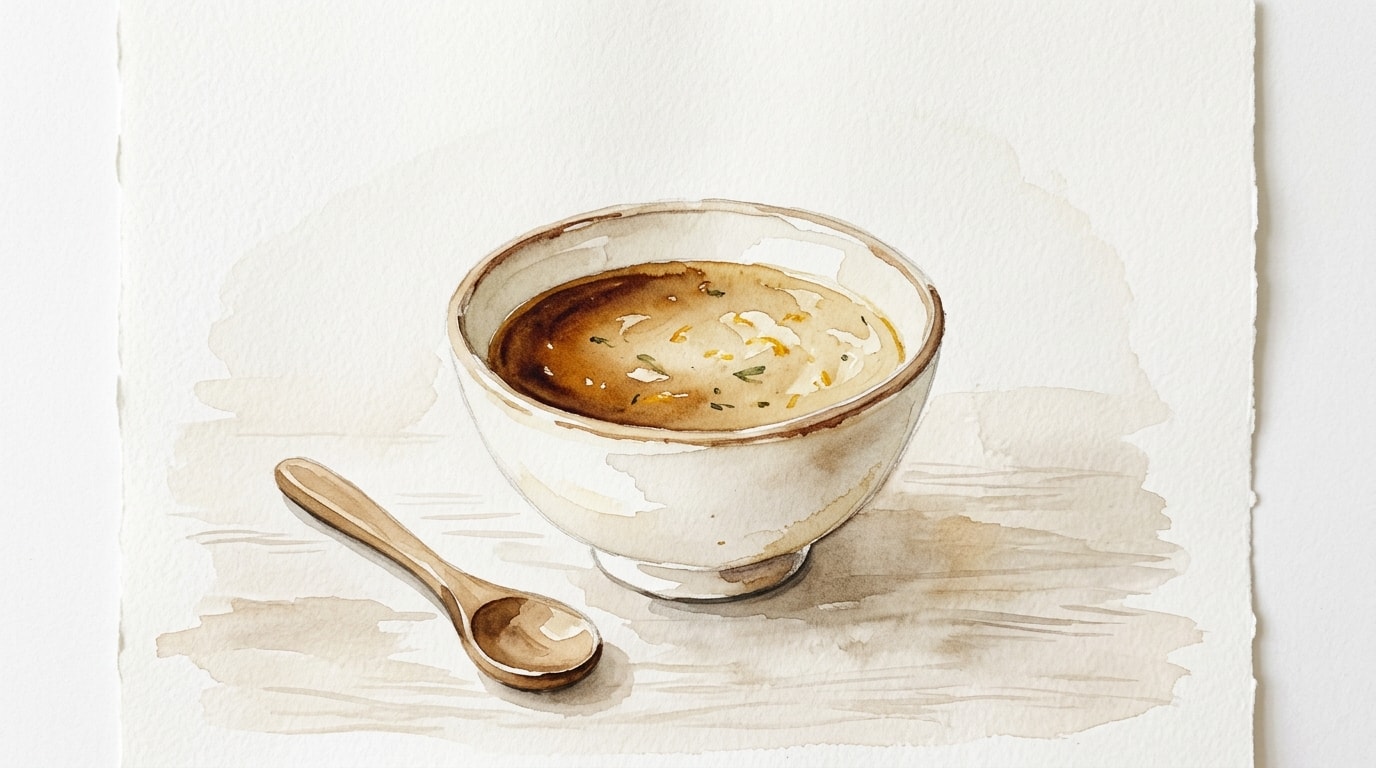
Remove the bowl from the heat immediately. Allow the hot mustard to cool to room temperature before transferring it to a storage jar.
Chef's Notes
- The heat of mustard powder is unlocked by an enzymatic reaction that requires cold water. Warm water, acid, or immediate heat will denature the enzyme and result in a bitter, mild mustard.
- Vinegar is added after the heat develops to stabilize the mustard. Once the acid is introduced, the heat level is permanently locked in.
- Using a double boiler instead of direct heat is critical when making egg-based sauces to prevent the proteins from coagulating too quickly and scrambling.
- This mustard will continue to thicken slightly as it cools in the refrigerator due to the egg content.
Storage
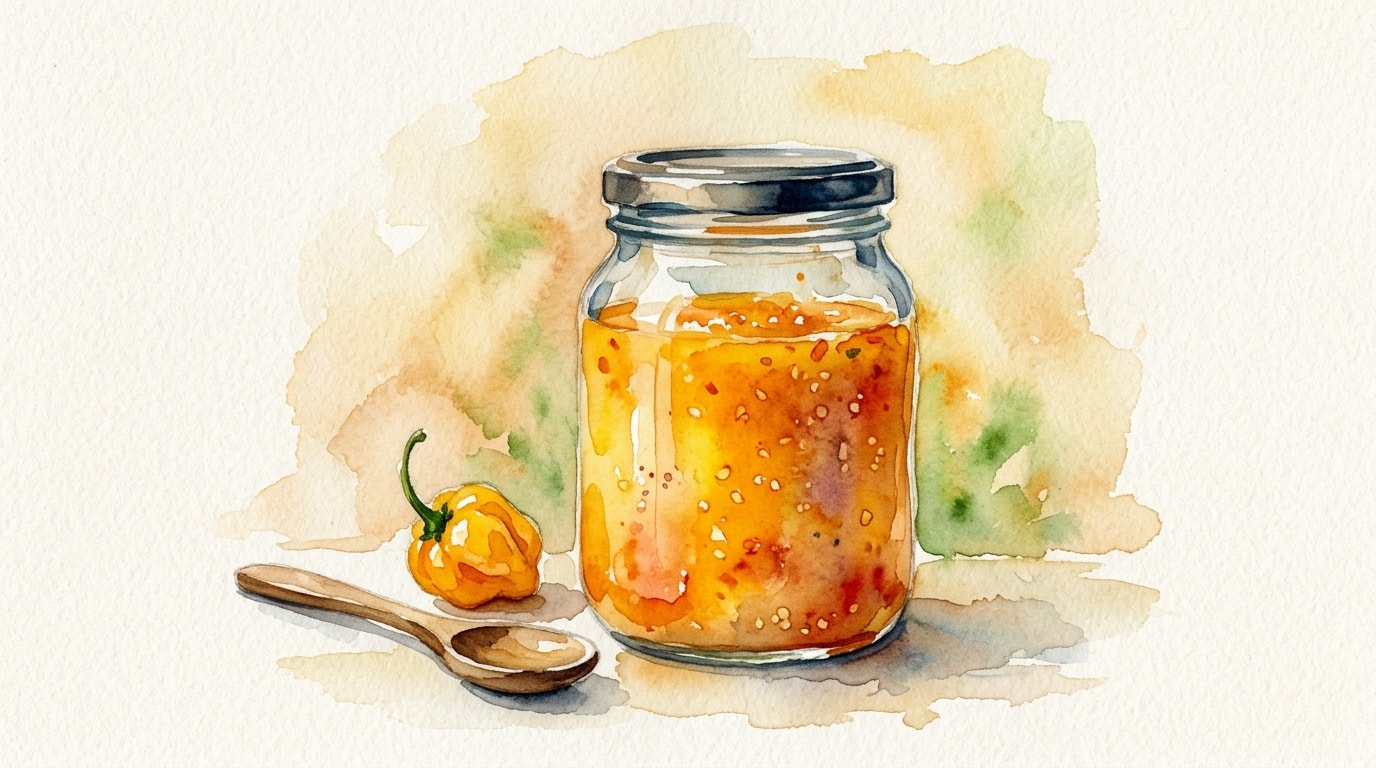
Refrigerator: 2 weeks — Store in an airtight glass jar.