Equipment
Ingredients
Tamarind Base
- 250 g seedless tamarind block, broken into chunks
- 400 ml water, boiling
Preservation (Optional)
- 15 ml neutral oil
Nutrition (per serving)
Method
Place the chunks of tamarind block into a large heatproof bowl. Pour the boiling 100C/212F water over the tamarind.
Cover the bowl with a plate or lid and let it rest for 30 minutes to allow the compressed tamarind to fully soften and rehydrate.
Using thoroughly clean hands or a sturdy spatula, aggressively mash and squeeze the softened tamarind into the water. Continue mixing until you form a thick, murky slurry and the fibrous membranes separate from the fruit pulp.
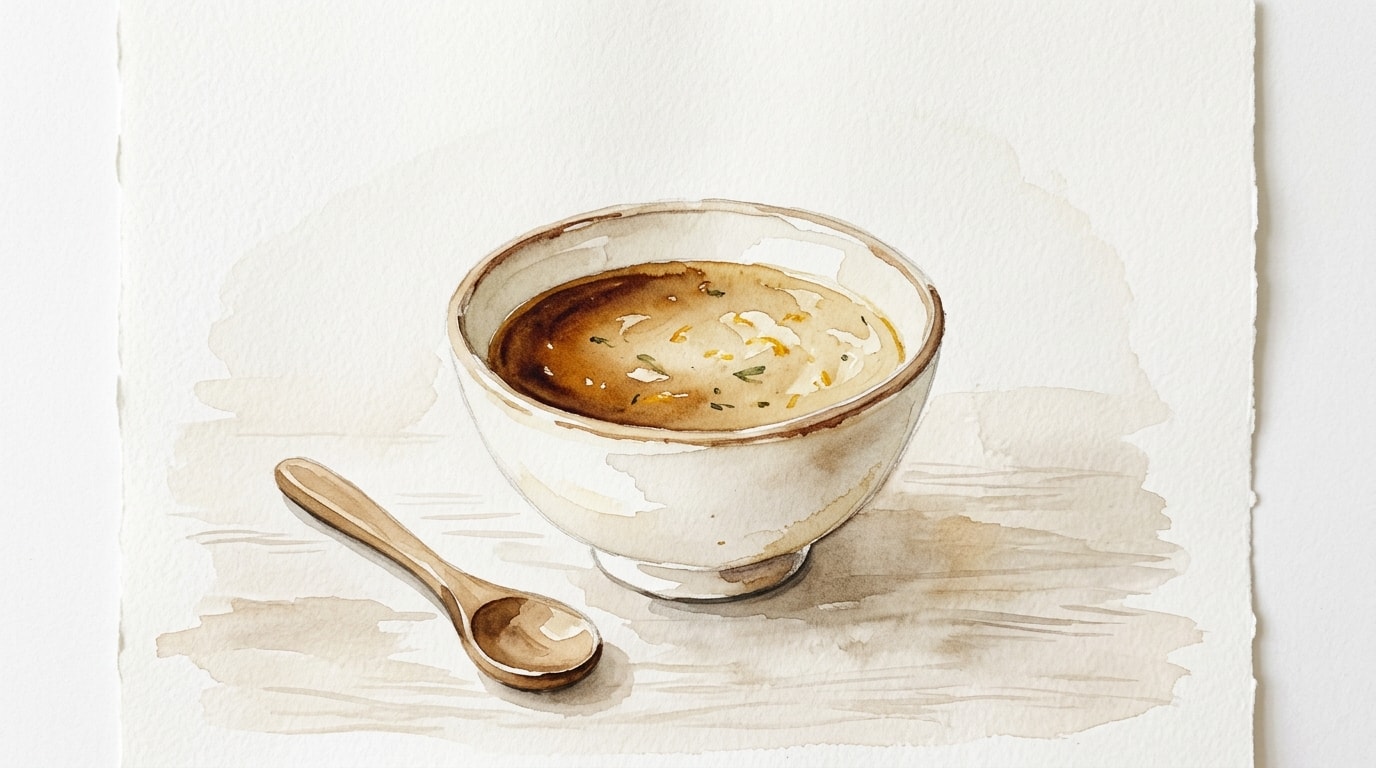
Pour the mixture through a fine-mesh strainer set over a saucepan. Use your spatula to firmly press and scrape the pulp against the mesh, extracting as much liquid and smooth paste as possible. Discard the remaining seeds and tough fibers.
Place the saucepan over medium-low heat. Bring the strained liquid to a gentle simmer and cook for 5 to 8 minutes, stirring frequently. This step evaporates excess water, thickens the paste, and kills any ambient bacteria to drastically extend the refrigerator shelf life.
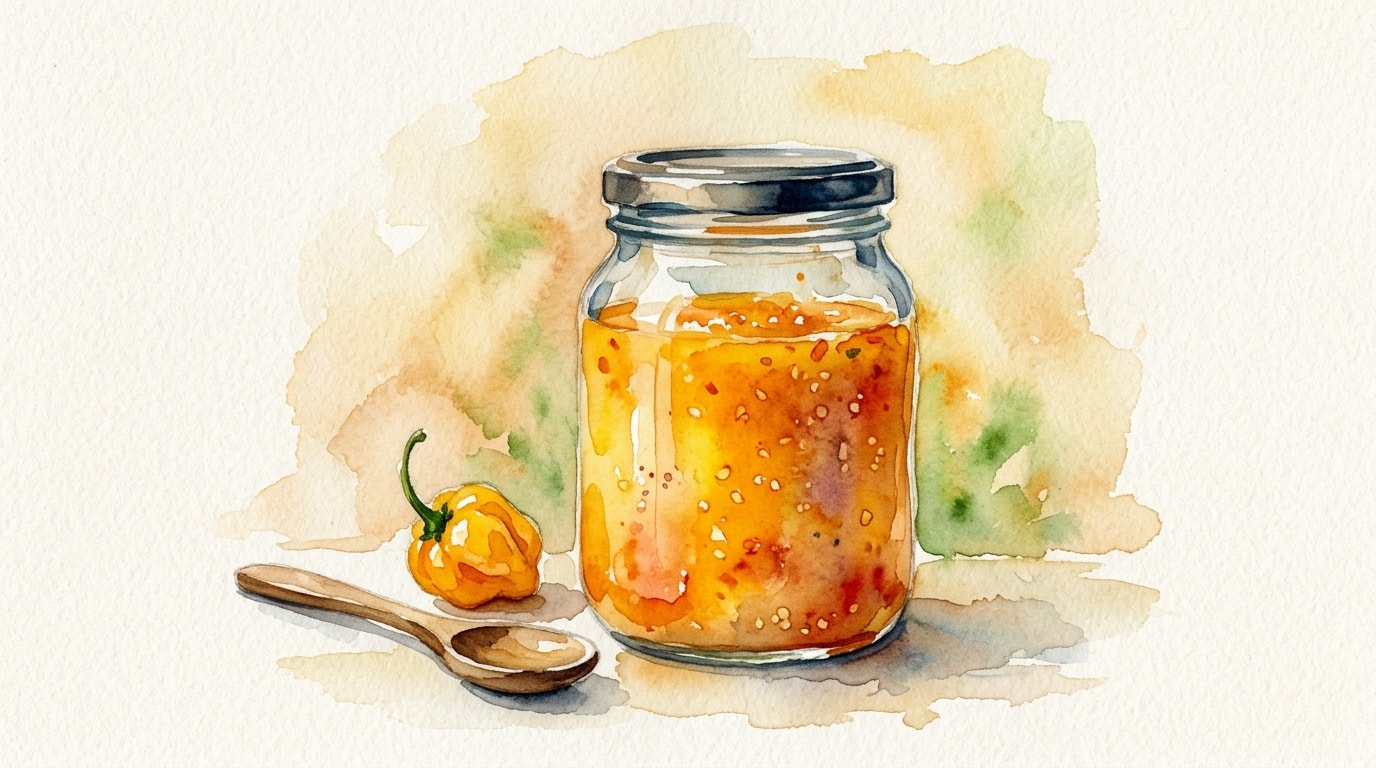
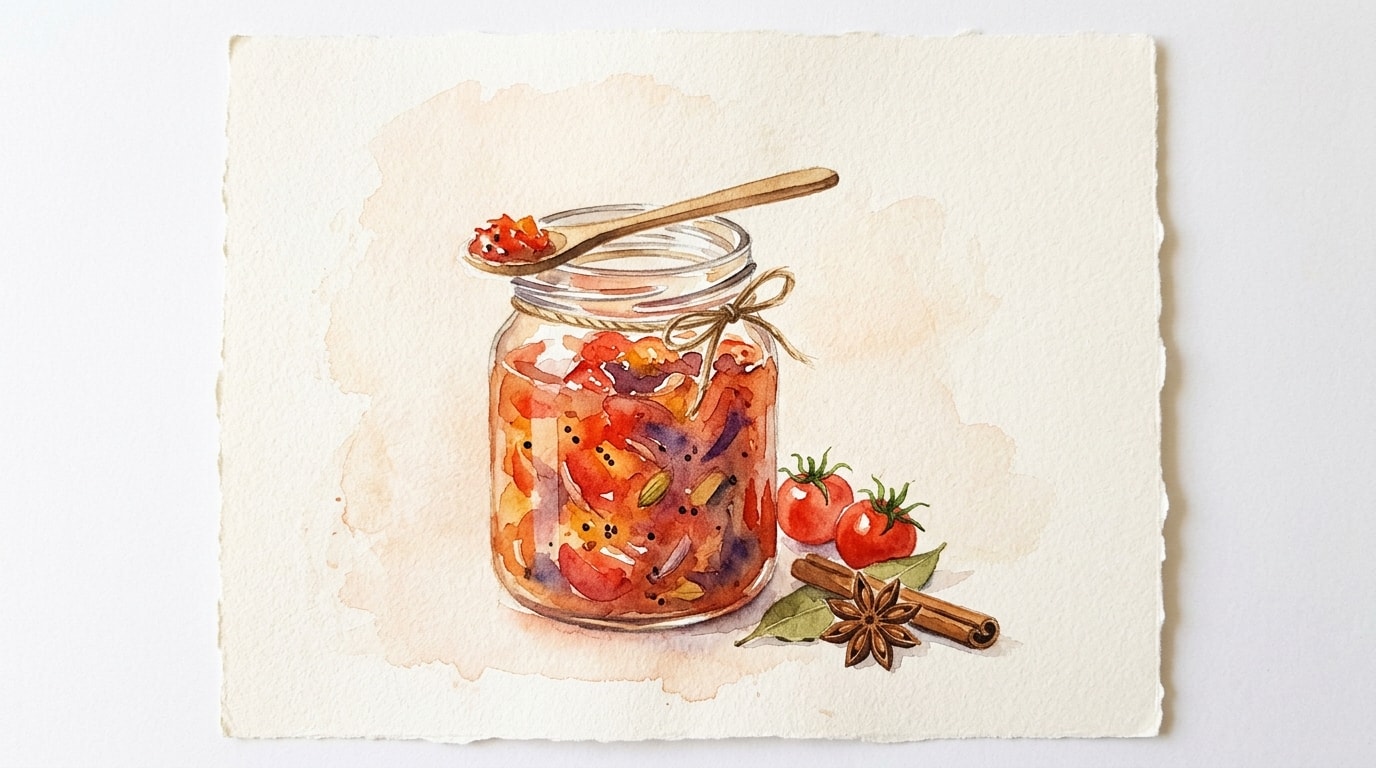
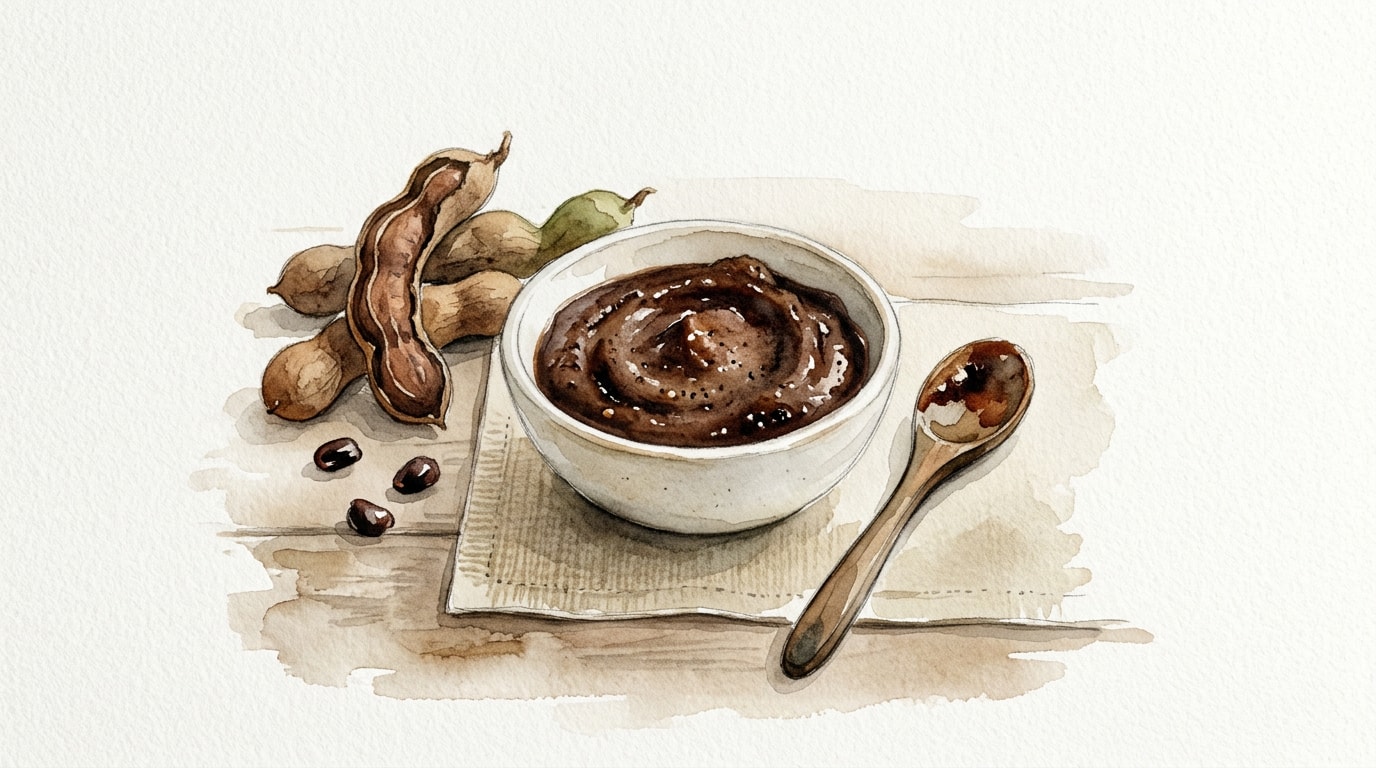
Remove from heat and allow the paste to cool completely in the pan for about 15 minutes. Transfer to a sterilized glass jar. If desired, pour a very thin layer of neutral oil over the surface to create an airtight seal before closing the lid.
Chef's Notes
- Even blocks labeled as seedless will contain hard fibrous strings and the occasional rock-hard seed. Straining is non-negotiable for a professional-textured final product.
- When a recipe calls for tamarind water or tamarind extract, you can easily reconstitute this paste by mixing one part paste with two parts warm water.
- If you rarely use tamarind, spoon tablespoon-sized dollops into an ice cube tray, freeze until solid, and transfer to a ziplock bag. They will keep nearly indefinitely and can be dropped directly into simmering curries.
Storage
Refrigerator: 3 months — Store in a sterilized airtight jar. Always use a clean, dry spoon to prevent mold.
Freezer: 6 months — Can be frozen in ice cube trays for easy portioning, then transferred to a freezer bag.