Equipment
* optional
Ingredients
Pudding Base
- 100 g heather honey, room temperature
- 10 g unsalted butter, softened
Sponge Batter
- 150 g unsalted butter, softened to room temperature
- 100 g caster sugar
- 50 g heather honey, room temperature
- 3 eggs, room temperature
- 150 g self-raising flour
- 2 g fine sea salt
- 30 ml whole milk, room temperature
Nutrition (per serving)
Method
Generously grease the inside of the pudding basin with the 10g of softened butter. Spoon the 100g of heather honey into the bottom of the basin, creating an even layer.
In a mixing bowl, combine the softened 150g butter, caster sugar, and the 50g of heather honey. Beat together until the mixture is exceptionally pale, light, and fluffy, which incorporates air essential for a light sponge.
Beat the eggs in a separate small jug. Gradually add the beaten eggs to the butter mixture, a little at a time, beating thoroughly after each addition to prevent curdling.
Sift the self-raising flour and sea salt into the bowl. Gently fold the dry ingredients into the batter using a large metal spoon or spatula, retaining as much air as possible.
Stir the whole milk into the batter. The mixture should fall readily from the spoon when tapped on the side of the bowl, known as a dropping consistency.
Carefully spoon the batter into the prepared pudding basin on top of the honey layer. Level the surface gently, ensuring the basin is no more than three-quarters full to allow for rising.
Cut a square of baking paper and a square of aluminum foil large enough to cover the top of the basin with plenty of overhang. Place the paper on top of the foil and fold a pleat down the center to allow the pudding space to expand. Tie securely under the rim of the basin with kitchen string.
Place an inverted heatproof saucer or trivet at the bottom of the large steaming pot. Set the sealed pudding basin on top. Pour boiling water into the pot until it reaches halfway up the sides of the basin. Cover the pot tightly.
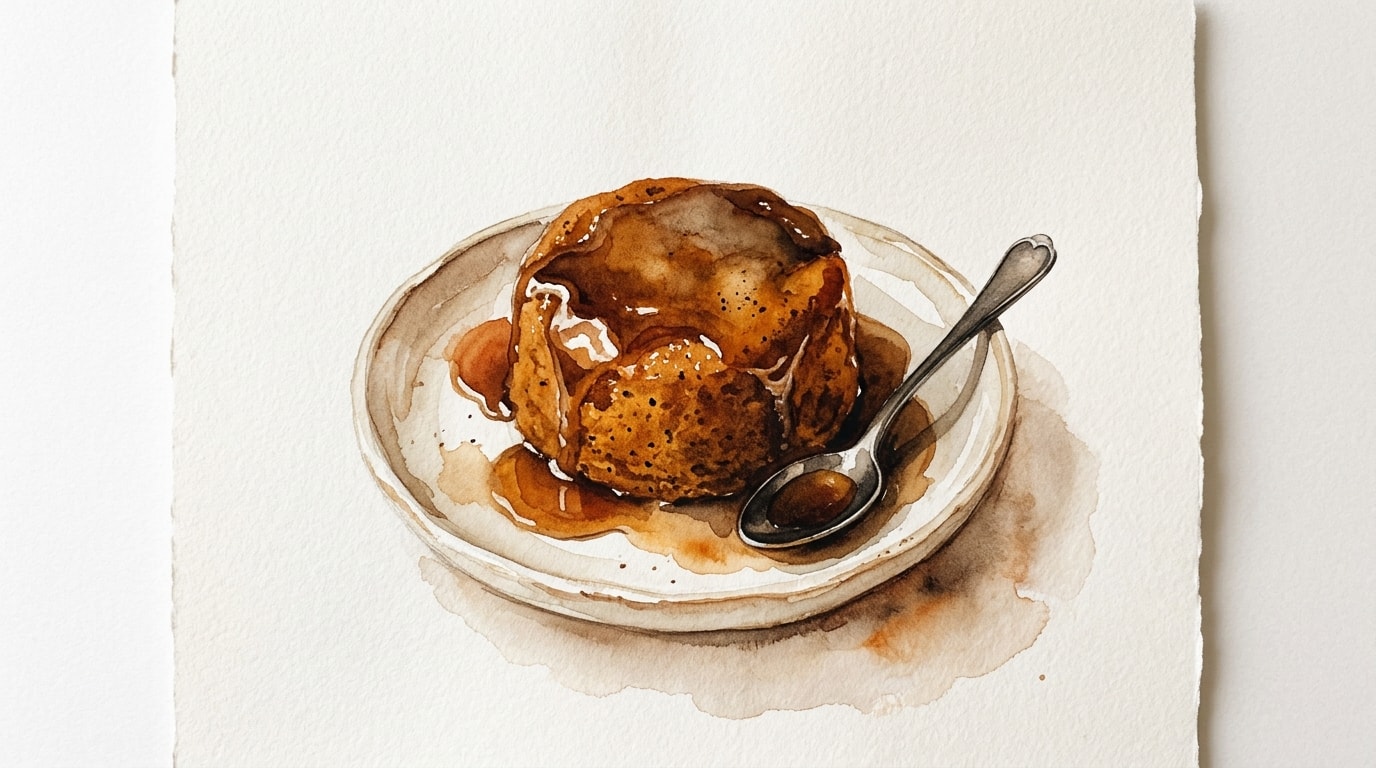
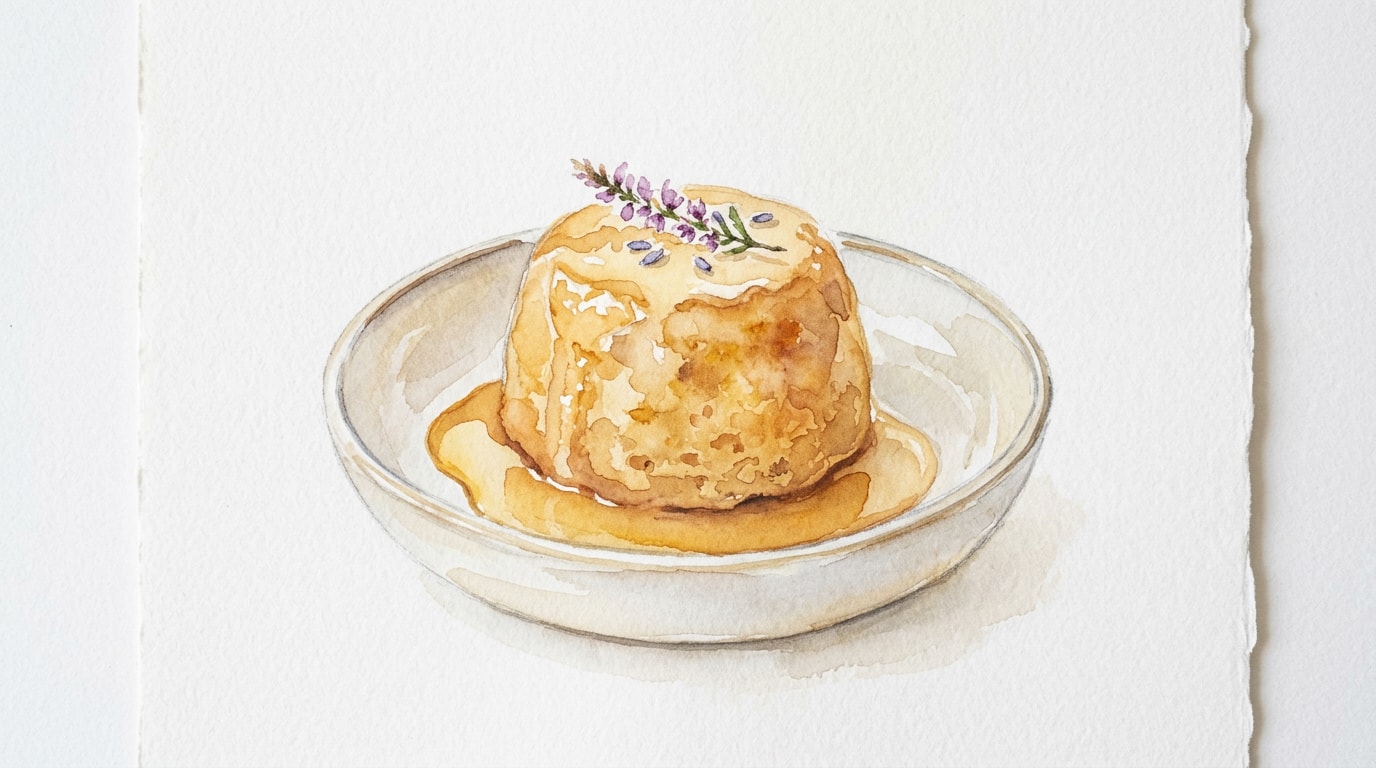
Carefully remove the basin from the pot and let it rest for 5 minutes. Snip the string, remove the foil and paper, and run a blunt knife around the inner rim. Invert a warm, deep serving plate over the basin, then flip both over to turn out the pudding. The melted heather honey will cascade down the sides.
Chef's Notes
- Scottish heather honey is uniquely thixotropic, meaning it acts like a gel until stirred. This property allows it to form an exceptionally thick, unctuous glaze when steamed.
- A proper dropping consistency is crucial for steamed puddings. If your eggs are small or the flour is particularly absorbent, you may need to add an extra splash of milk to achieve the right texture.
- Do not skip the pleat in the foil and parchment cover. Steamed puddings expand significantly, and without room to grow, the pressure can burst the seal and ruin the pudding.
- If your butter and sugar mixture curdles when adding the eggs, immediately add a tablespoon of your measured flour and beat it in to stabilize the emulsion before continuing.
Storage
Refrigerator: 3 days — Wrap tightly to prevent the sponge from drying out.
Freezer: 1 month — Freeze in individual portions. Thaw overnight in the refrigerator before reheating.
Reheating: Microwave individual portions for 30 to 40 seconds, or gently re-steam the whole pudding for 30 minutes until warmed through.