Equipment
* optional
Ingredients
Dry Ingredients
- 120 g chestnut flour
- 15 g granulated sugar
- 4 g baking powder
- 2 g baking soda
- 1 g ground nutmeg
- 1 g kosher salt
Wet Ingredients
- 120 g sour cream, room temperature
- 60 ml whole milk, room temperature
- 2 eggs, separated into yolks and whites
- 30 g unsalted butter, melted and slightly cooled
- 15 g unsalted butter, solid
Nutrition (per serving)
Method
Sift the chestnut flour, granulated sugar, baking powder, baking soda, ground nutmeg, and kosher salt through a fine mesh sieve into a large mixing bowl to remove any clumps.
In a medium mixing bowl, whisk together the sour cream, whole milk, egg yolks, and melted butter until completely smooth.
Pour the wet ingredients into the dry ingredients and stir gently just until combined. Let the batter rest for 5 minutes.
While the batter rests, whip the egg whites in a clean bowl using a hand mixer or whisk until soft peaks form.
Gently fold the whipped egg whites into the rested batter in two batches using a spatula, being careful not to deflate the trapped air.
Preheat a non-stick skillet over medium heat, approximately 175°C (350°F). Melt a small portion of the solid butter to lightly coat the surface.
Pour roughly 60ml portions of batter onto the skillet. Cook for 2 to 3 minutes until bubbles appear on the surface and the edges look set.
Carefully flip the pancakes using a spatula and cook for an additional 1 to 2 minutes on the second side until golden brown and cooked through to an internal temperature of 93°C (200°F).
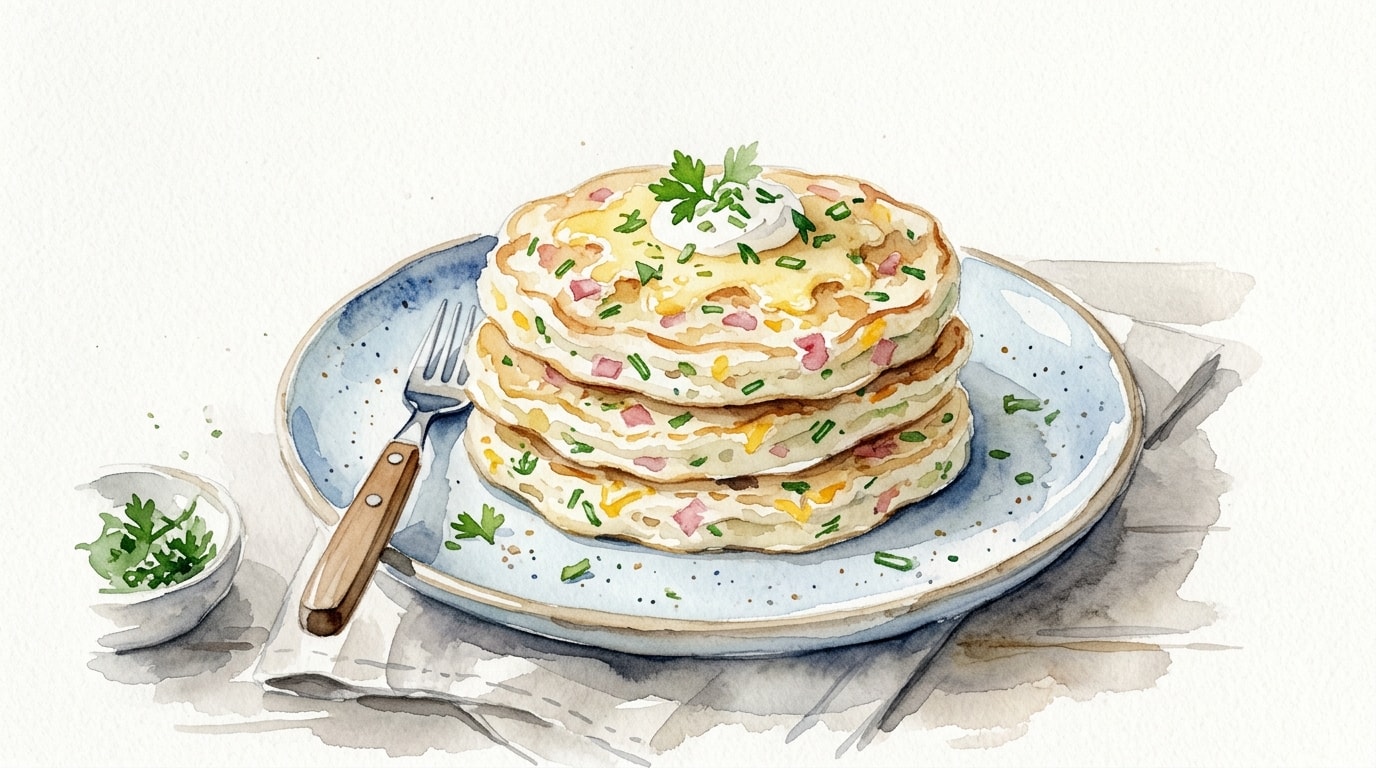
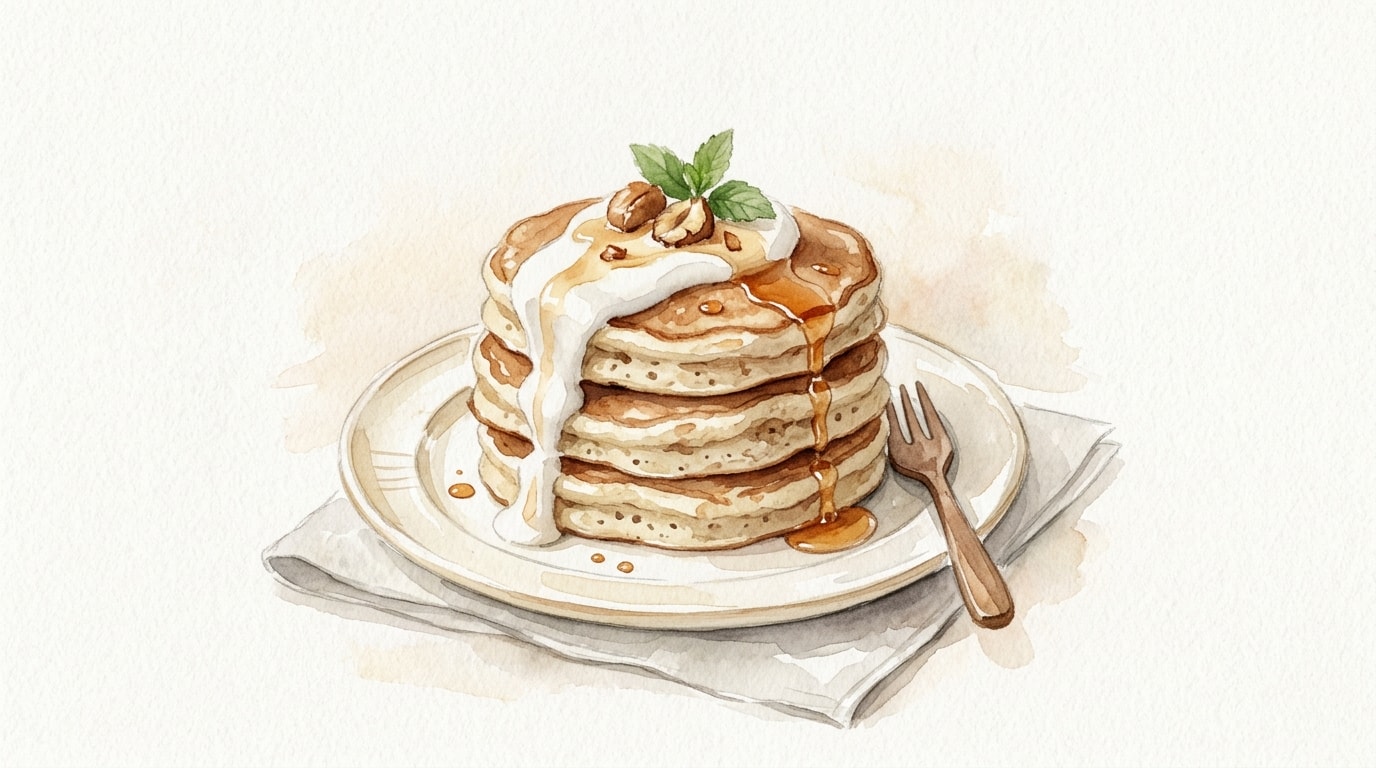
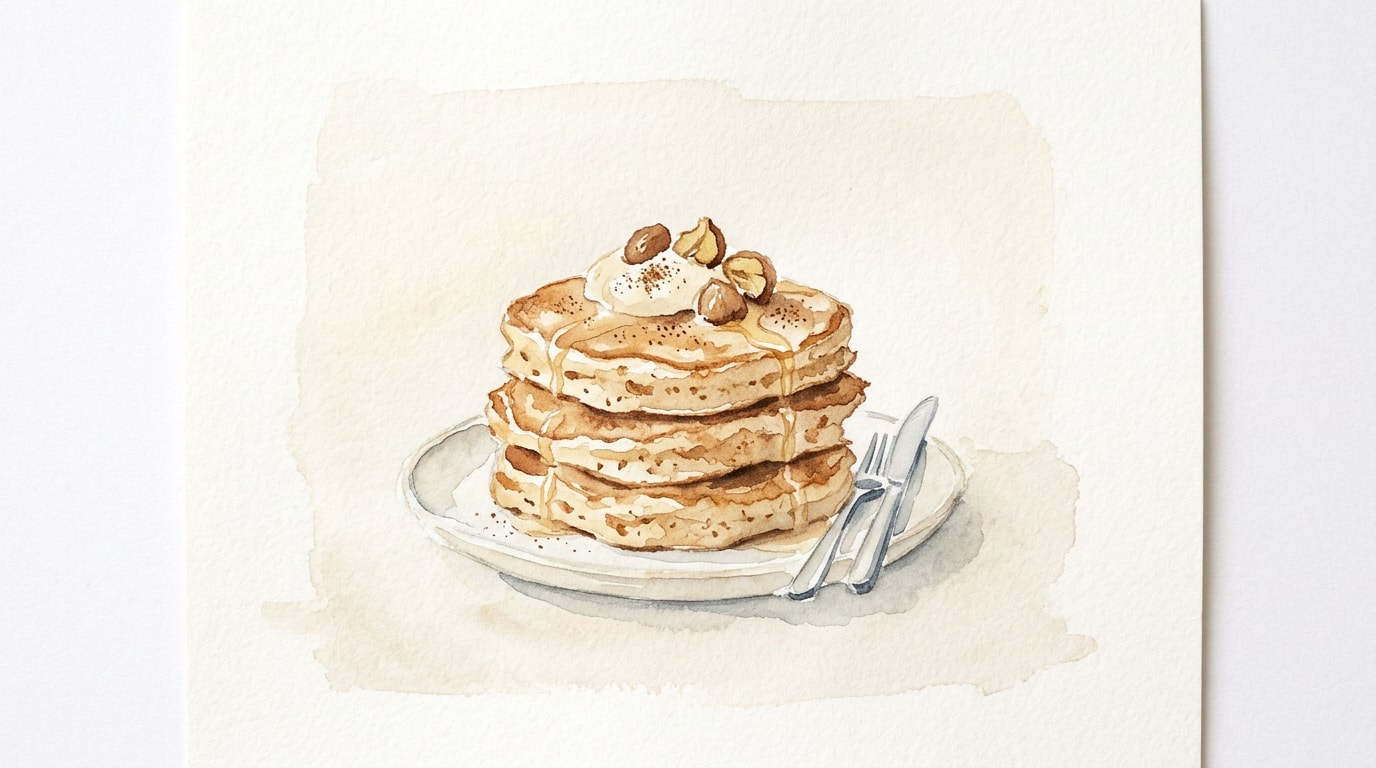
Transfer the pancakes to a warm plate. Serve immediately with extra butter, maple syrup, or a dollop of fresh ricotta.
Chef's Notes
- Chestnut flour has a short shelf life and goes rancid quickly due to its natural oils. Always store it tightly sealed in the freezer.
- Sifting is non-negotiable here. Chestnut flour naturally clumps in the bag and those dense pockets will ruin the delicate texture we are aiming for.
- The acidity in the sour cream activates the baking soda, which works in tandem with the whipped egg whites to provide the lift necessary to overcome the inherently dense nature of chestnut flour.
Storage
Refrigerator: 3 days — Store in an airtight container layered with parchment paper.
Freezer: 1 month — Freeze flat before transferring to a sealed bag.
Reheating: Warm in a toaster or oven at 175 C (350 F) until heated through.